
Spain Faces Unprecedented Border Crisis as Nearly 50,000 Migrants Enter Ceuta from Morocco

By: Ebenezer Adu-Gyamfi / Emmanuel Ayiku for GhanaianNewsCanada | July 31,2026
Madrid deploys military forces as mass migration overwhelms Spanish enclave, prompting diplomatic talks with Morocco and renewed debate over Europe’s border security
Spain is grappling with one of the most significant migration emergencies in its recent history after an unprecedented surge of migrants crossed into the Spanish enclave of Ceuta from neighboring Morocco, overwhelming local authorities and triggering a major security and humanitarian response. Reports from Spanish officials estimate that nearly 50,000 people entered the territory within a single day, making it one of the largest mass border crossings ever recorded at the enclave.
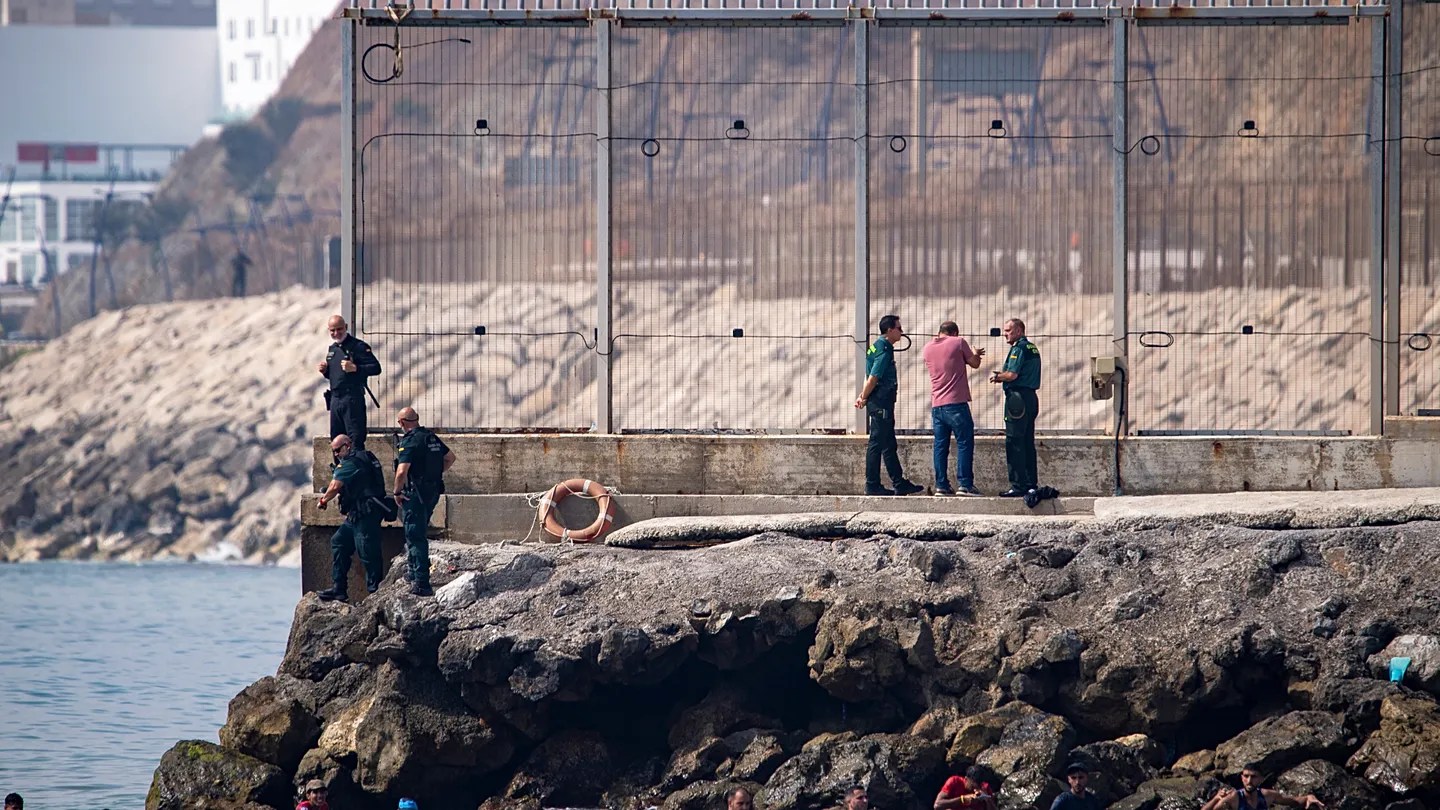
The sudden influx prompted the Spanish government to deploy military units to reinforce police and border guards, while emergency services worked to rescue migrants attempting the dangerous sea crossing. Authorities have also reported multiple fatalities, with at least 19 people confirmed dead during the crisis, underscoring the human cost of the mass migration.
What Is Ceuta?
Ceuta is an autonomous Spanish city located on the northern coast of Africa, sharing a land border with Morocco. Although geographically in Africa, Ceuta is part of Spain and therefore part of the European Union, making it one of the EU’s only land borders with the African continent.
For decades, Ceuta has been a key entry point for migrants hoping to reach Europe. Many attempt to cross by swimming around coastal barriers or scaling heavily fortified border fences in search of safety or better economic opportunities.
How the Crisis Unfolded
According to Spanish authorities, thousands of migrants crossed into Ceuta by sea and land, with many swimming around breakwaters while others entered through border areas as security forces struggled to contain the influx.
The sheer number of arrivals quickly overwhelmed reception centres, emergency shelters and local infrastructure. Videos circulating online showed large crowds moving through beaches and streets as police and rescue teams attempted to restore order.
Spanish Prime Minister Pedro Sánchez described the incident as a serious violation of Spain’s territorial integrity and travelled to Ceuta to assess the situation. The government announced additional security measures but stopped short of declaring a national emergency.

Spain and Morocco Coordinate Response
Following the crisis, Spain and Morocco opened urgent discussions to stem further crossings and facilitate the return of migrants who entered irregularly.
Spanish officials said security cooperation with Morocco remains essential to managing migration, while both governments agreed to strengthen border coordination in an effort to prevent additional mass crossings.
Political Tensions Across Europe
The crisis has reignited debate across Europe over migration policy, border protection and the responsibilities of EU member states.
Some European leaders have called for tougher external border controls, while others have stressed that humanitarian obligations toward migrants and asylum seekers must continue to be respected under international law.
The events in Ceuta have also renewed scrutiny of Spain’s immigration policies and sparked political debate over how the European Union should respond to future migration surges.
Humanitarian Concerns
Humanitarian organizations have expressed concern over the dangerous conditions faced by migrants attempting to reach Ceuta. Many crossed rough waters with little or no safety equipment, while emergency crews carried out rescue operations throughout the day.
The reported deaths have highlighted the risks associated with irregular migration and prompted renewed calls for safer migration pathways and stronger international cooperation to address the root causes of displacement.
A Defining Moment for Europe
The Ceuta border crisis is expected to have lasting implications for Spain, Morocco and the wider European Union. It raises difficult questions about border security, migration management, humanitarian protection and international cooperation at a time when migration remains one of Europe’s most pressing political challenges.
As authorities continue to manage the aftermath of the mass crossing, attention will remain focused on how Spain, Morocco and the European Union respond to one of the most significant migration events in recent years.
GhanaianNewsCanada will continue to monitor developments and provide updates as the situation evolves.


