Canada could provide vessels, cyber support to clear Strait of Hormuz if there’s a ceasefire: minister
By: Ebenezer Adu-Gyamfi / Emmanuel Ayiku for GhanaianNewsCanada | March 26, 2026
Rising tensions in the Middle East are once again drawing global attention to one of the world’s most critical energy chokepoints—the Strait of Hormuz. As instability involving Iran escalates, experts warn that any disruption to this narrow but vital waterway could trigger far-reaching economic consequences, including significant effects on Canada’s fuel prices and broader economy.
The Strait of Hormuz, located between Iran and Oman, serves as a major transit route for global energy supplies. Approximately 20% of the world’s oil passes through this corridor daily, making it one of the most strategically important maritime routes on the planet.
A Growing Crisis in a Critical Region
The current crisis stems from escalating military and political tensions involving Iran and Western powers. In recent weeks, the situation has intensified, leading to threats, attacks on shipping vessels, and fears of a potential closure or disruption of the strait.
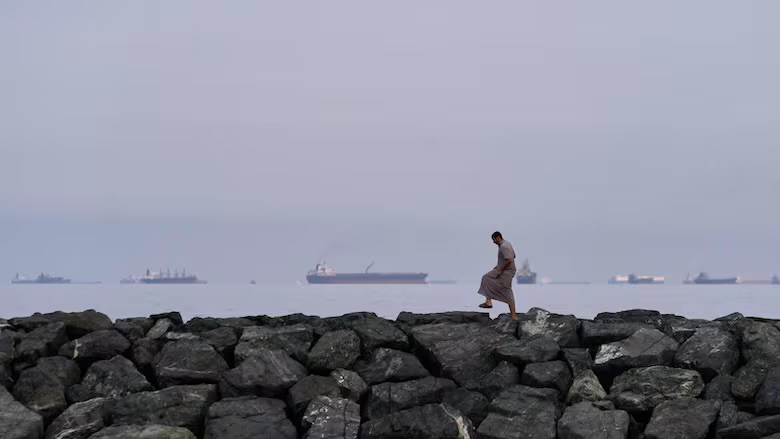
Shipping activity in the region has already been affected. Reports indicate that tanker traffic has dropped sharply due to security risks, with many vessels avoiding the area entirely. In some cases, maritime movement has nearly come to a standstill, highlighting the severity of the threat.
This disruption is not just a regional issue—it has global implications. Oil prices have surged past $100 per barrel amid fears of prolonged supply shortages, reflecting the market’s sensitivity to instability in the Gulf.
What It Means for Canada
Although Canada is a major oil producer and does not rely heavily on Middle Eastern imports, it is not immune to global price shocks. Oil is traded on an interconnected international market, meaning that disruptions anywhere can influence prices everywhere.
If tensions in the Strait of Hormuz continue or worsen, Canadians could see:
•Higher fuel prices at the pump
•Increased transportation and logistics costs
•Rising inflation affecting everyday goods
Even a temporary disruption can send shockwaves through global supply chains, ultimately impacting consumers thousands of miles away.
Economic Ripple Effects Beyond Energy
The consequences of a potential blockade extend far beyond oil. The Strait of Hormuz is also a key route for liquefied natural gas (LNG) and other critical commodities. Any interruption could strain global supply chains, increase production costs, and disrupt industries worldwide.
Experts warn that the ongoing conflict could lead to one of the most significant energy supply shocks in decades. The situation has already been described as the largest disruption to global oil supply in modern history, with broader implications for food security, inflation, and economic stability.
Markets are reacting accordingly. Stock markets have shown signs of volatility, and analysts caution that prolonged instability could slow global economic growth while increasing the risk of recession.
Why the Strait Matters So Much
The importance of the Strait of Hormuz lies in its geography. It is a narrow passage that cannot easily be replaced by alternative routes. While some oil-exporting countries have limited pipeline options, the majority of shipments still depend on this single corridor.
This makes the strait a powerful geopolitical tool. Any attempt to block or control it has immediate and dramatic effects on global energy markets.
Uncertain Path Ahead
Despite the risks, a complete and sustained closure of the Strait of Hormuz remains uncertain. Such a move would also harm Iran’s own economy, as it relies on the same route for its oil exports.
However, even without a full shutdown, continued attacks, threats, or partial disruptions can create enough uncertainty to keep markets on edge. Insurance costs for shipping are rising, and many companies are already adjusting their operations to avoid potential danger.
Conclusion
The unfolding situation in the Strait of Hormuz is a stark reminder of how interconnected the global economy has become. A conflict in one region can quickly ripple across continents, affecting everything from fuel prices to food costs.
For Canada and the rest of the world, the key concern is not just whether the strait will close—but how long the uncertainty will last. As tensions persist, governments, businesses, and consumers alike are bracing for the economic impact of a crisis unfolding thousands of kilometers away.