U.S. Blockade of Iranian Ports Takes Effect as Trump Claims Tehran “Wants a Deal
Naval move escalates Middle East tensions while conflicting signals emerge over possible negotiations
By Ebenezer Adu-Gyamfi / Emmanuel Ayiku | Reporting for Ghanaian News Canada April 12, 2026
A United States naval blockade targeting Iranian ports has officially taken effect, marking a major escalation in tensions between Washington and Tehran amid an ongoing regional conflict.
The blockade, announced by Donald Trump, is aimed at restricting maritime access to Iranian ports and cutting off key economic flows, particularly oil exports, which remain central to Iran’s economy.
U.S. Central Command confirmed that the operation began following the collapse of diplomatic talks in Pakistan, with naval forces deployed to intercept vessels entering or leaving Iranian-controlled ports.
Officials say the measure is designed to pressure Iran into compliance with U.S. demands, including curbing its nuclear programme and reopening critical shipping routes in the region.
Despite the escalation, President Trump stated that Iran is showing signs of willingness to negotiate.
“They want to make a deal,” he said, adding that contact had been made earlier suggesting interest from Tehran, although this claim has not been independently verified.
The remarks come amid conflicting signals, as Iranian officials have previously dismissed similar claims, raising uncertainty over the true state of diplomatic engagement.
The blockade is focused on Iranian ports rather than a full closure of the Strait of Hormuz, a vital global shipping route through which a significant portion of the world’s oil supply passes.
However, the move has already had immediate economic and logistical consequences.
Oil prices surged above $100 per barrel following the announcement, reflecting market fears over potential supply disruptions, before easing slightly after Trump’s comments about possible negotiations.
Shipping activity in the region has also been affected, with some vessels reportedly reversing course or delaying transit due to heightened security risks.
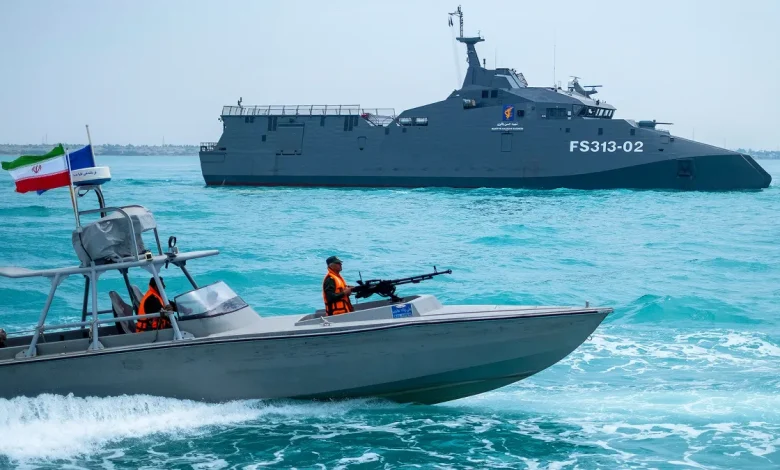
Trump has issued strong warnings regarding enforcement of the blockade, stating that any Iranian vessels approaching U.S. forces could face military action.
“They will be eliminated,” he said, referring to Iranian fast-attack boats operating in the area.
The escalation follows weeks of conflict involving U.S. and Israeli operations against Iranian targets, alongside retaliatory actions by Tehran and its regional allies.
While Washington maintains that the blockade is a strategic tool to compel negotiations, critics warn that it risks further destabilizing the region and could trigger broader confrontation.
Several U.S. allies have reportedly declined direct participation in the blockade, instead calling for de-escalation and renewed diplomatic efforts.
Iran, for its part, has condemned the move as unlawful and has warned of potential retaliation if its maritime access is further restricted.
Analysts say the situation represents a critical juncture, where military pressure and diplomatic messaging are unfolding simultaneously, leaving the path forward uncertain.
As the blockade takes hold, global attention remains focused on whether the standoff will lead to negotiations—or deepen into a wider conflict with significant geopolitical and economic consequences.