

By Boakye Stephen | Kumasi, Ghana | Reporting for GhanaianNewsCanada
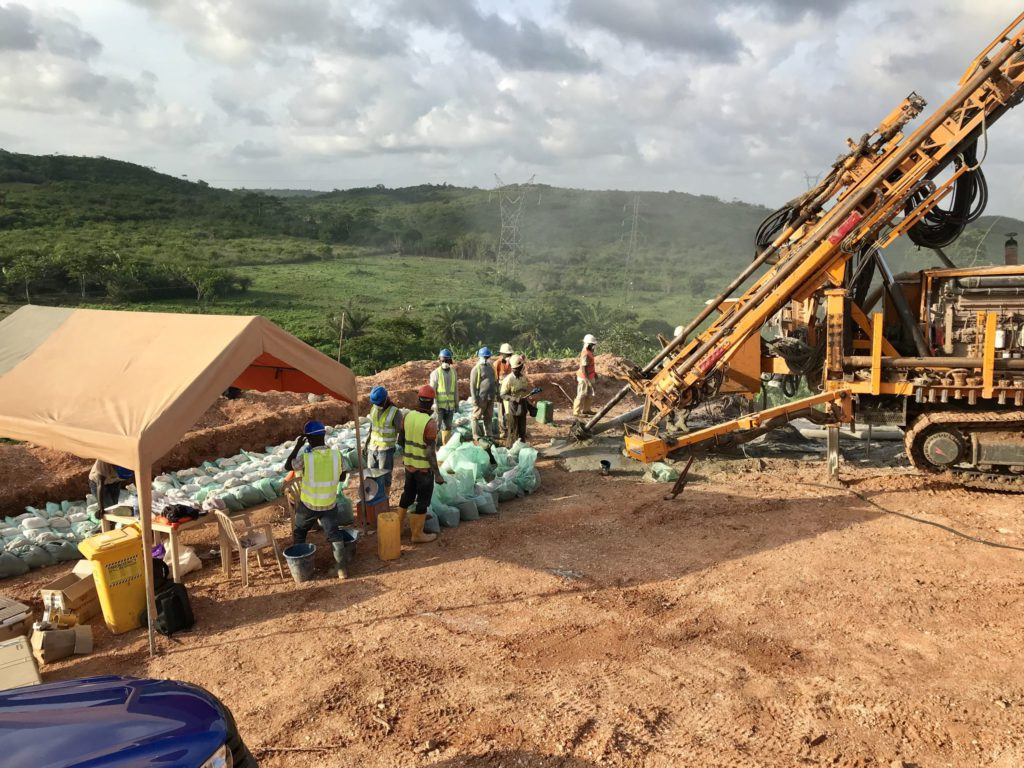
Global mining investors are raising growing concerns over the prolonged delay in the ratification of Ghana’s lithium mining lease for the Ewoyaa Lithium Project in the Central Region, a project considered one of the most significant lithium discoveries in West Africa.
The lease was originally signed on October 20, 2023, by Atlantic Lithium, through its Ghanaian subsidiary Barari DV Ghana Ltd. However, it failed to secure parliamentary ratification due to political disagreements that stalled the process.
In an attempt to address the deadlock, a revised lease was signed in 2025 and presented to Parliament on November 11, 2025. The new agreement quickly became controversial after the royalty rate was reduced from 10% to 5%, raising concerns among lawmakers and stakeholders about whether Ghana was receiving adequate value for its natural resources.
Due to the public backlash, the Minister for Lands and Natural Resources, Emmanuel Armah-Kofi Buah, withdrew the lease on December 10, 2025, for further consultations.
Nine days later, on December 19, 2025, the minister reintroduced the agreement to Parliament together with a sliding royalty framework that would range between 5% and 12% depending on global lithium prices.
The revised lease was referred to the Parliamentary Committee on Lands and Natural Resources, chaired by Collins Dauda, for review and recommendations to the plenary for ratification.
However, after more than 25 parliamentary sittings and at least one committee meeting dedicated to the issue, the process appears to have stalled, with very little public communication about the current status of the ratification process.
Investors Begin to Lose Confidence
International investors who hold shares in Atlantic Lithium are beginning to express concern that Ghana’s slow decision-making could damage the country’s reputation as a stable destination for mining investments.
One major shareholder said the delay is gradually eroding trust.
“I’m gradually losing confidence in the country. Everyone is watching this situation. Who would invest in Ghana’s mining sector given how this process has been handled since 2023?”
Another investor warned that negative sentiment is already spreading among shareholders.
“Some investors are beginning to turn negative on Ghana. A number of them have started selling their shares in Ghanaian mining companies because they feel the process is unpredictable.”
Industry analysts say such developments could weaken Ghana’s ability to attract long-term investments in critical minerals, especially as global competition for lithium resources intensifies.

Commentary | By Boakye Stephen
Beyond the parliamentary delays, the situation raises deeper questions about governance, transparency, and the strategic management of Ghana’s critical mineral resources.
Lithium is no ordinary mineral. It has become a strategic global commodity, central to the production of electric vehicle batteries, renewable energy storage systems, and advanced technologies. Countries across the world are competing aggressively to secure reliable lithium supply chains.
For Ghana, the Ewoyaa Lithium Project represents not just a mining opportunity but a strategic national asset capable of transforming the country’s position in the emerging global green energy economy.
However, the prolonged delay in ratification exposes several troubling realities.
First, the absence of consistent and transparent communication from policymakers creates uncertainty in the investment environment. When major international investors observe long procedural delays without clear explanations, it raises concerns about the predictability of Ghana’s regulatory system.
Second, the controversy surrounding the reduction of royalties from 10% to 5% highlights the delicate balance between protecting national interests and maintaining investor confidence. While it is legitimate for the state to negotiate favorable terms, the process must be conducted with clarity, transparency, and national consensus to avoid suspicions and political polarization.
Third, the silence surrounding the committee’s progress fuels speculation both locally and internationally. In the global investment landscape, information gaps often become breeding grounds for doubt.
Investors typically prefer jurisdictions where decisions are not only fair but also timely and predictable.
Finally, Ghana must also reflect on the broader lessons from its long history of natural resource extraction, from gold and bauxite to oil, where concerns have often been raised about whether the country truly captures the full value of its resources.
The lithium sector presents a rare opportunity for Ghana to reset that narrative by establishing a governance framework that is transparent, strategic, and beneficial to future generations.
The world is watching.
And in the global race for critical minerals, delay is not merely administrative, it can become economically costly.
Ghana now faces a critical moment: whether to demonstrate strong institutional leadership and strategic clarity or risk allowing uncertainty to weaken its position in the rapidly evolving global minerals economy.


