
Lebanon Announces Israel-Hezbollah Ceasefire as Fresh Attacks Raise Fears of Collapse
Government declares partial truce aimed at easing border violence, but continued strikes fuel uncertainty over regional stability

By: Ebenezer Adu-Gyamfi / Emmanuel Ayiku for GhanaianNewsCanada | June 2, 2026

Lebanon has announced a partial ceasefire between Israel and Hezbollah aimed at reducing escalating hostilities along the border, but renewed attacks shortly after the declaration have raised concerns about whether the fragile agreement can hold.
Lebanese officials said the arrangement was intended to ease tensions following months of cross-border exchanges involving missile strikes, drone attacks, and military operations that have displaced civilians and heightened fears of a wider regional conflict. However, reports of continued violence in parts of southern Lebanon and northern Israel have cast doubt over the effectiveness of the ceasefire.
According to officials familiar with the agreement, the ceasefire seeks to reduce direct military exchanges and create conditions for de-escalation, while diplomatic efforts continue through regional and international mediators. Lebanese authorities said security agencies remain engaged in monitoring the situation amid fears of further instability.
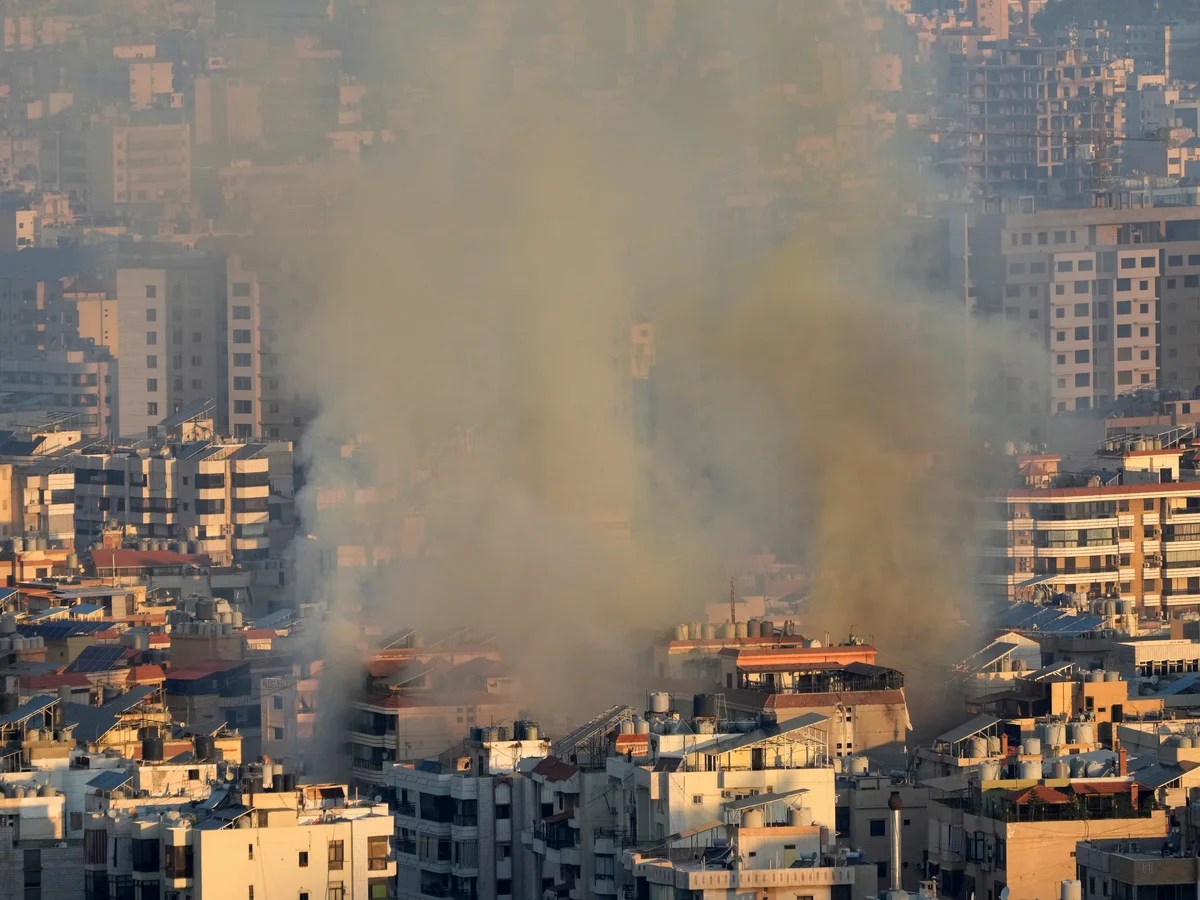
Despite the announcement, residents in affected areas reportedly continued hearing explosions and air raid warnings, with both sides accusing each other of violating understandings linked to the truce. Military tensions have remained high as Israel says it continues responding to security threats, while Hezbollah insists it reserves the right to defend Lebanese territory.
The conflict between Israel and Hezbollah has intensified alongside broader regional tensions connected to the Israel-Gaza war and growing instability involving Iran and its regional allies. Hezbollah, a powerful armed group and political movement backed by Iran, has repeatedly exchanged fire with Israeli forces along the Lebanese border, raising fears of a larger confrontation.
Humanitarian concerns have also deepened as thousands of civilians remain displaced in both Lebanon and northern Israel, while damage to homes, infrastructure, and local businesses continues to mount. Aid agencies have warned that prolonged instability risks worsening economic hardship in Lebanon, a country already struggling with a severe financial crisis.
International actors, including the United States, France, Qatar, and the United Nations, have reportedly continued diplomatic engagement aimed at preventing broader war and encouraging both sides to respect de-escalation measures. Analysts warn that even limited violations could quickly unravel ceasefire efforts if political trust remains weak.
Observers say the coming days may prove critical in determining whether the ceasefire becomes a meaningful step toward stability or simply a temporary pause in a conflict that continues to threaten regional security.

