
Ghana’s Inflation Climbs to 5.3% in June as Rising Non-Food Prices Push Up Cost of Living
Higher prices for services and locally produced goods drive first notable inflation increase in months

By Boakye Stephen, Kumasi, Ghana | Reporting for GhanaianNewsCanada | July 1, 2026
Ghana’s annual inflation rate rose to 5.3% in June 2026, up from 3.7% in May, marking the first significant increase in recent months as higher non-food prices drove overall consumer costs upward.
New figures released by the Ghana Statistical Service (GSS) show that the Consumer Price Index (CPI) increased to 270.8, reflecting renewed price pressures across several sectors of the economy despite inflation remaining well below the levels recorded in 2025.
The rise was largely driven by non-food inflation, which climbed to 6.3%, accounting for the largest share of the increase in the overall inflation rate. The category includes goods and services such as transportation, housing, clothing, healthcare, education, and utilities.
Meanwhile, food inflation edged up to 3.9%, indicating moderate increases in the prices of essential food items consumed by households across the country.
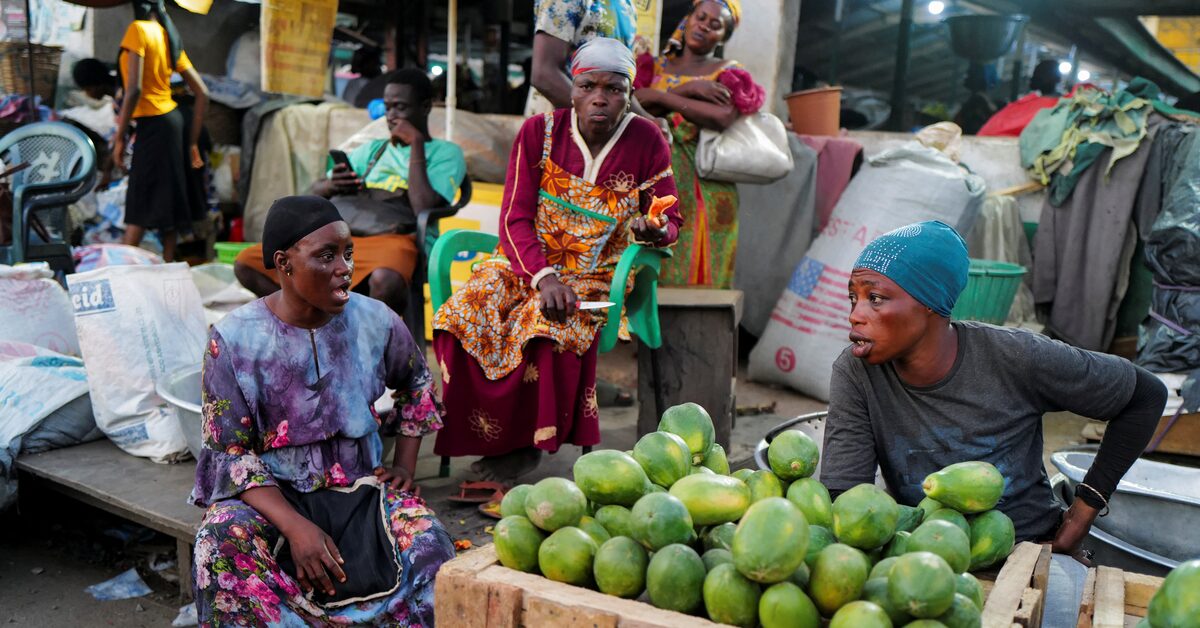
The data also revealed a notable difference between locally produced and imported goods. Prices of locally produced items rose by 6.7%, significantly outpacing imported goods, which recorded an inflation rate of 2.3%. Analysts say the disparity reflects domestic cost pressures, including transportation, production and service-related expenses.
The services sector continued to experience elevated price growth, with services inflation recorded at 9.4%, although this represented a slight decline from the previous month.
Regionally, inflation varied considerably across the country. The North East Region recorded the highest inflation rate at 10.2%, while Bono East Region posted the lowest at -4.4%, indicating an overall decline in prices within the region during the period.
The latest figures suggest that while Ghana has made substantial progress in bringing inflation under control over the past year, upward pressure on non-food prices could present fresh challenges for households and businesses if the trend continues.
Economists say sustained increases in transportation costs, utilities, housing and other services have the potential to erode household purchasing power, particularly for low- and middle-income families.
The Bank of Ghana is expected to continue closely monitoring inflation developments as it seeks to maintain price stability while supporting economic growth.
Analysis
Although inflation remains significantly lower than the double-digit levels experienced in previous years, June’s increase signals that underlying cost pressures have not disappeared. The sharp rise in non-food inflation suggests that sectors beyond food production are becoming increasingly important drivers of consumer prices. If these pressures persist, they could influence future monetary policy decisions and place additional strain on household budgets despite the country’s broader economic recovery.

