
ECOWAS Court Dismisses Former Chief Justice Torkornoo’s Suit Against Ghana
Regional court rejects all claims, deals major setback to ex-Chief Justice’s legal challenge

By Ebenezer Adu-Gyamfi / Emmanuel Ayiku for GhanaianNewsCanada | June 25, 2026
The ECOWAS Community Court of Justice has dismissed a suit filed by former Chief Justice Gertrude Araba Esaaba Sackey Torkornoo against the Republic of Ghana, marking a significant legal setback in her challenge against her suspension and subsequent removal from office.
In a unanimous decision delivered on Wednesday, the regional court rejected all seven claims brought by Justice Torkornoo and declined to award the US$10 million in damages she had sought from the Ghanaian state.
The former Chief Justice had petitioned the ECOWAS Court, alleging that her rights under regional and international human rights instruments had been violated during the process that led to her suspension and eventual removal. She argued that the actions taken against her breached provisions of the African Charter on Human and Peoples’ Rights and sought both declaratory reliefs and financial compensation.
However, after considering the submissions of both parties, the three-member panel of the ECOWAS Court found no merit in the claims and ruled that Ghana had not violated Justice Torkornoo’s rights as alleged.
The ruling effectively upholds the actions taken by Ghanaian authorities in relation to the proceedings against the former Chief Justice and reinforces the principle that domestic constitutional processes, where properly followed, remain central to the governance of member states.
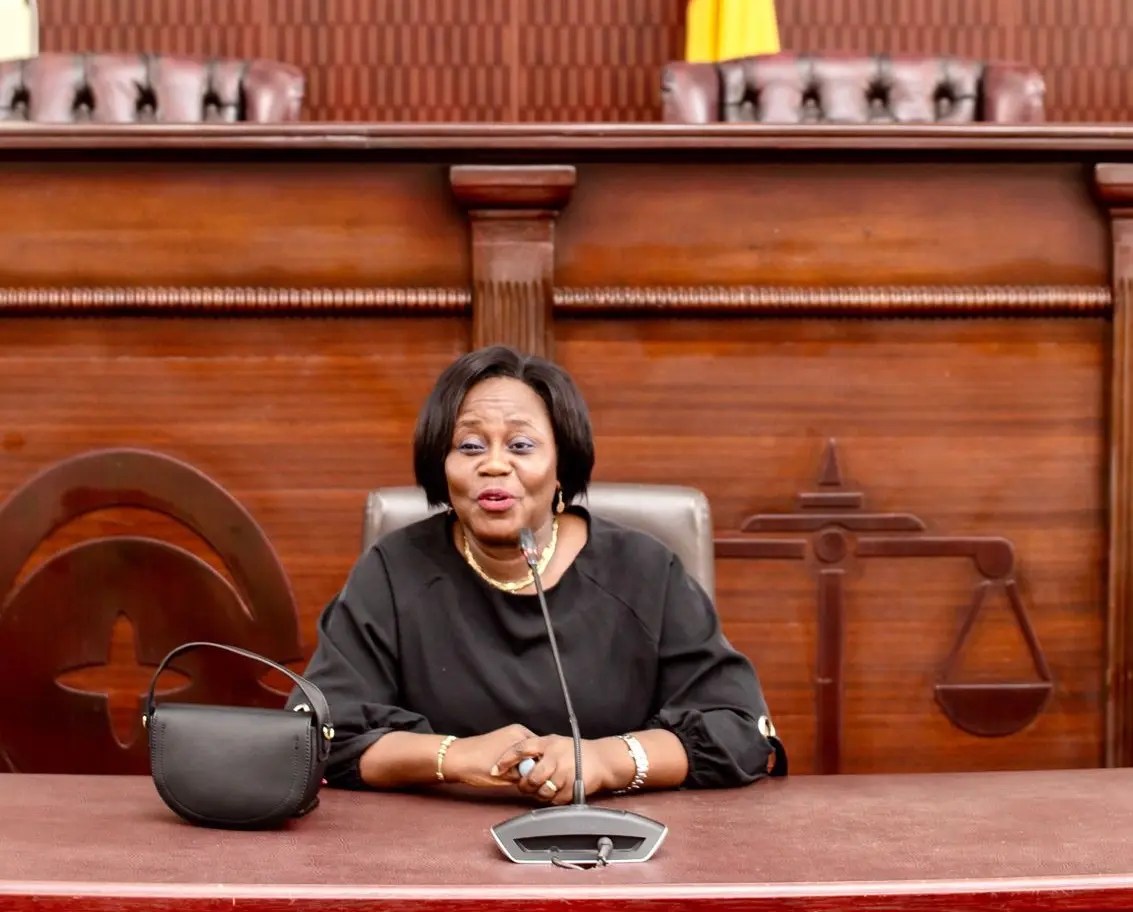
The judgment represents one of the most consequential legal developments arising from the highly publicized proceedings involving Justice Torkornoo, whose removal generated intense public debate about judicial independence, constitutional accountability, and the separation of powers in Ghana.
Deputy Attorney-General Justice Srem-Sai welcomed the ruling, describing it as a vindication of Ghana’s legal position and commending the state legal team that represented the country before the regional court.
Legal analysts say the decision could have far-reaching implications for future attempts by public office holders to challenge domestic constitutional processes before international and regional judicial bodies.
The ECOWAS Court’s ruling comes after months of legal and political controversy surrounding Justice Torkornoo’s tenure and eventual exit from office, an episode that attracted widespread attention from legal practitioners, civil society groups, and governance experts across West Africa.
While the regional court’s decision may have closed one chapter in the dispute, observers note that the broader national conversation on judicial reforms, institutional independence, and constitutional safeguards is likely to continue.
As of Thursday, Justice Torkornoo had not publicly commented on the ruling.

