
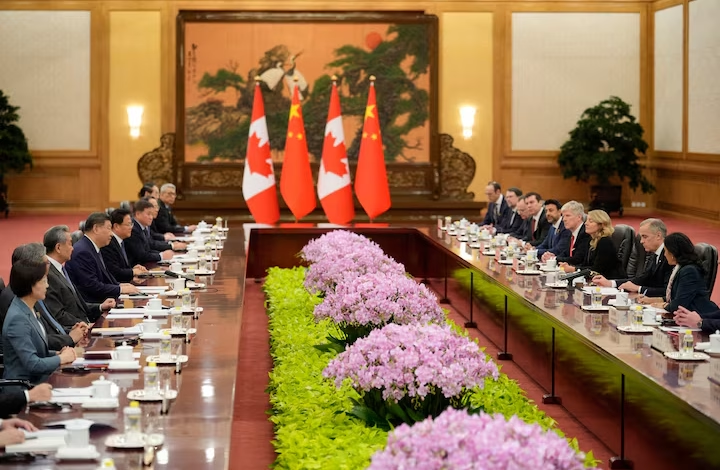
BEIJING — China has announced it will suspend key tariffs on certain Canadian agricultural exports following talks between Beijing and Canadian Prime Minister Mark Carney during his visit to China in January 2026, a move that signals a thaw in bilateral trade tensions.
What China Will Suspend
According to a statement from China’s Ministry of Finance, the suspension will take effect from March 1 through the end of 2026 and will include:
-
100 % tariffs on canola meal and peas — duties imposed during a previous trade dispute will be dropped.
-
25 % tariffs on lobster and crab imports — duties on these seafood exports will be halted.
These tariffs were part of a series of retaliatory levies imposed after Canada and China clashed over trade measures. The suspension is aimed at restoring smoother agricultural trade flows between the two nations.
What’s Still Unclear
Beijing’s announcement did not mention tariffs on canola seed, which remain at a combined rate of around 84 %. Ottawa had hoped these would be cut significantly — potentially to approximately 15 % — but China has said a probe into Canadian canola would conclude by March 9, with possible further actions.
Other key Canadian exports such as canola oil and pork were also not included in the tariff suspension announcement, leaving some uncertainty about their future treatment.
What This Means for Trade
The suspension comes amid broader efforts by both sides to improve relations after a period of elevated tension. China was a major market for Canadian canola before tariffs were imposed, and relief on duties could help restore export volumes. Chinese buyers have already begun booking shipments in anticipation of the tariff changes.
Ottawa’s push for expanded market access comes amid a shifting global trade environment, with some Western nations seeking to diversify partnerships beyond longstanding economic ties with the United States. China, for its part, has been positioning itself as a stable and significant trading partner for multiple countries.
Broader Context
Carney’s trip to Beijing marked a resumption of direct high-level engagement between the two governments. During the visit, Canada also signaled willingness to expand imports of Chinese electric vehicles under favorable tariff terms — part of a broader exchange that has included negotiations on steel, aluminums and other goods.
The tariff suspension is likely to be welcomed by Canadian agricultural exporters, especially those in the canola and seafood sectors, though the fate of the remaining duties will continue to be closely watched by markets and policymakers alike.

