GREDA’s Annual CEO’s Breakfast Meeting 2026 Sets Strategic Agenda for Ghana’s Housing Sector
Accra, Ghana — 25th February 2026
By: Ebenezer Adugyamfi / Emmanuel Ayiku for GhanaianNewsCanada
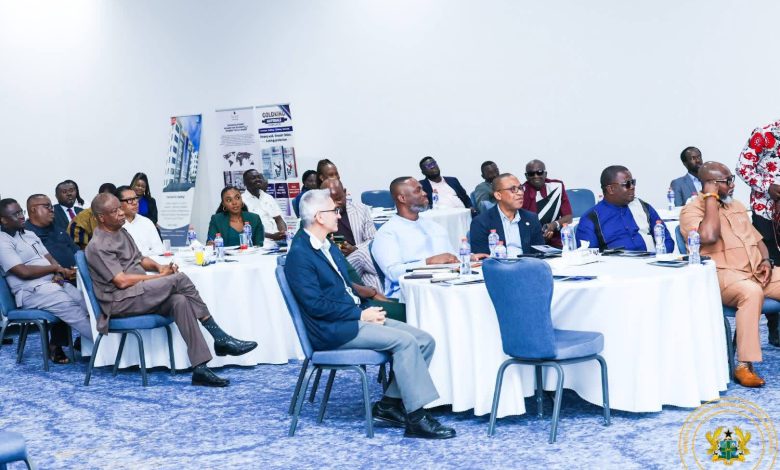
The real estate industry in Ghana witnessed strong collaboration between government and private sector developers on Tuesday morning as the Ghana Real Estate Developers Association (GREDA) hosted its Annual CEO’s Breakfast Meeting for 2026 at Palms by Eagles, Airport City, Accra.
Under the theme “Resetting the Housing Agenda under the 24-Hour Economy: GREDA–Government Collaboration,” the gathering brought together stakeholders from across the built environment — including policymakers, bankers, planners, property developers and industry thought leaders — to deliberate on strategies for accelerating housing delivery, enhancing partnerships, and aligning the sector with Ghana’s broader economic transformation agenda.
Industry Leaders Convene
The event commenced at 7:30 a.m., with an opening address from GREDA leadership, welcoming CEOs representing major real estate firms operating in Accra and beyond. Among the senior private-sector participants was Alhaji Salah Kweku Kalmoni, Executive Director of Silver Star Tower whose insights into market demand and development capacity highlighted the critical role of private players in meeting Ghana’s growing housing needs.
Keynote Address by Minister Hon. Kenneth Gilbert Adjei
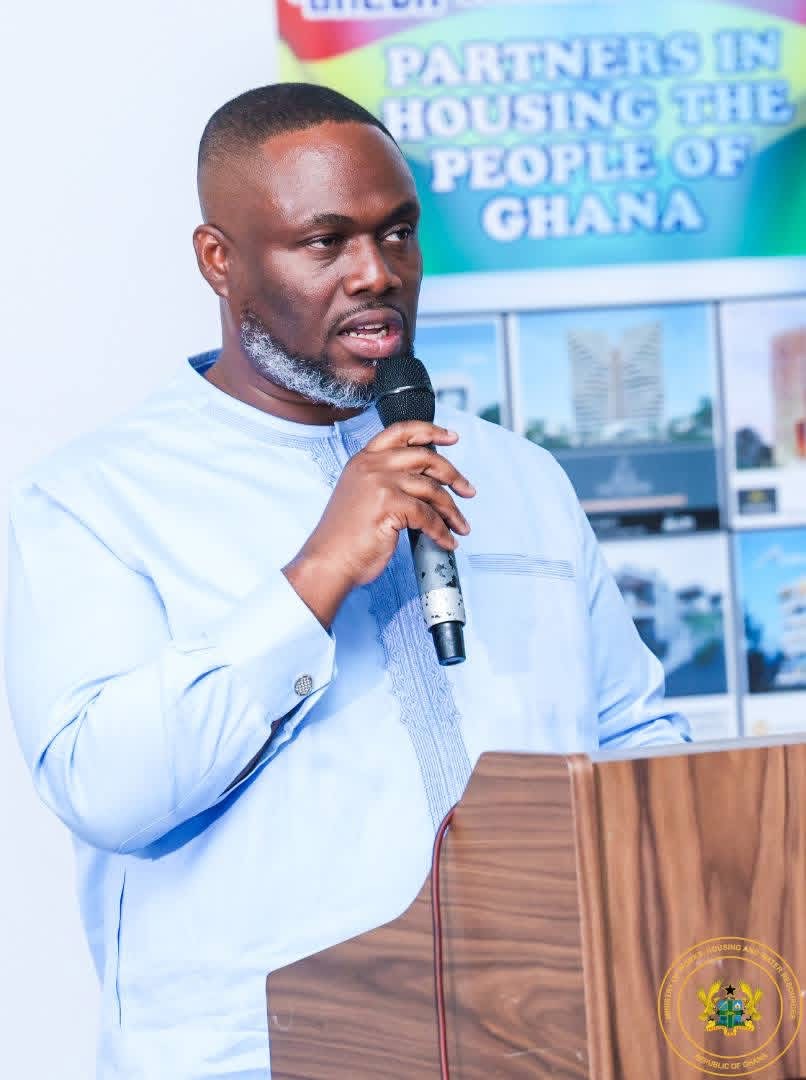
The Special Guest of Honour, Hon. Kenneth Gilbert Adjei, Minister for Works, Housing and Water Resources, delivered the keynote address, setting the tone for the discussions. The Minister emphasized the government’s commitment to creating an enabling environment for real estate development through policy reforms, regulatory clarity, and collaborative frameworks.
In his address, Hon. Adjei underscored the importance of the 24-Hour Economy — an initiative designed to bolster economic competitiveness by enabling seamless service delivery around the clock. He articulated how this policy could be leveraged to streamline processes such as building approvals, permits, and land transactions, reducing bureaucratic delays that often impede construction timelines.
“Our housing agenda must be innovative, inclusive, and responsive to the needs of Ghana’s growing population,” the Minister noted. “This calls for a strong partnership between government and the private sector — one that harnesses the strengths of each to deliver homes that are affordable, sustainable, and of high quality.”

Financial Sector Integration and Support
Moderating the session as Chairperson was Dr. Benjamin Dzoboku, Managing Director of Republic Bank Ghana, who brought a financial perspective to the housing discourse. Dr. Dzoboku highlighted the necessity of innovative financing models that can unlock capital for developers while making homeownership more accessible for citizens.
“If we are to close the housing gap, we must reimagine how capital flows into the sector,” Dr. Dzoboku stated. He called for continued dialogue between banks, developers, and policymakers to create products that serve both the supply and demand ends of the housing market.
Expert Insights from Guest Speaker Hon. Dr. Goozie Tanoh
Adding depth to the conversation was Hon. Dr. Goozie Tanoh, invited as the Guest Speaker. Drawing on years of experience in planning and development, Dr. Tanoh explored practical approaches to urbanization, land use efficiency, and the integration of technology in real estate project delivery.

Dr. Tanoh stressed that housing development must be supported by robust infrastructure, accessible financing, and clear regulatory frameworks. His discussion resonated with the theme of strategic collaboration, emphasizing that government and developers must act in concert to anticipate future mobility and demographic trends.
Strengthening Public-Private Collaboration
A recurring message throughout the breakfast meeting was the need for deeper collaboration between the public and private sectors. Industry leaders agreed that while government initiatives provide direction, actual transformation in housing delivery will require joint action, shared risk, and co-investment.
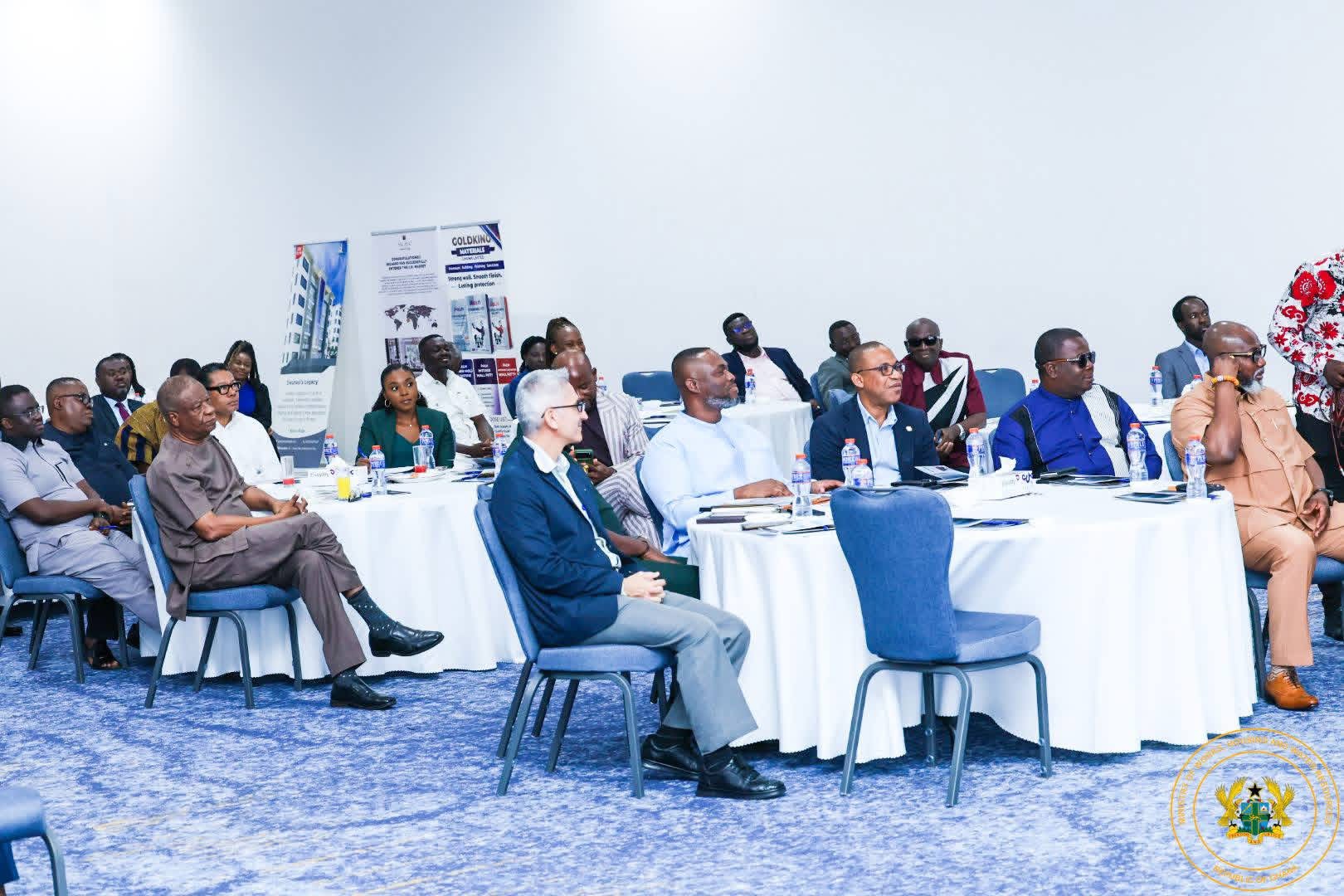
Developers, including Mr. Kalmoni Sala of Lakeside Real Estate, shared anecdotes from ongoing projects, pointing to regulatory bottlenecks and the high cost of construction inputs as persistent challenges. Mr. Sala urged policymakers to consider policy incentives that can reduce overheads for developers while ensuring that housing remains within reach for Ghanaian families.

Looking Forward
The GREDA Breakfast Meeting concluded with a renewed sense of purpose among participants. The dialogue affirmed that real estate development is more than just building structures — it is about shaping communities, strengthening economies, and responding to the aspirations of citizens for decent and affordable homes.
Stakeholders left the meeting optimistic that with collaborative action and policy support, Ghana’s housing sector can achieve substantive growth in the years ahead.