
U.S. and Iran Locked in Dangerous Stalemate as Global Tensions Deepen
Growing confrontation over nuclear demands, oil blockades, and the Strait of Hormuz leaves world powers watching closely

By: Ebenezer Adu-Gyamfi / Emmanuel Ayiku for GhanaianNewsCanada | May 12, 2026
The United States and Iran remain trapped in a tense geopolitical standoff that analysts increasingly describe as “neither peace nor war,” as diplomatic efforts struggle to break months of confrontation between the two rivals.
The crisis has intensified around disputes involving Iran’s nuclear programme, economic sanctions, maritime control in the Strait of Hormuz, and competing military pressure from both sides.
Although a fragile ceasefire arrangement has technically reduced direct large-scale military exchanges in recent weeks, negotiations aimed at achieving a broader agreement continue facing major obstacles.
According to reports, U.S. President Donald Trump has maintained a hardline position demanding strict limitations on Iran’s nuclear activities, while Iranian authorities insist that sanctions relief and maritime guarantees must form part of any lasting settlement.
At the centre of the crisis is the strategic Strait of Hormuz, one of the world’s most important energy shipping routes through which a significant portion of global oil and gas supplies pass daily.
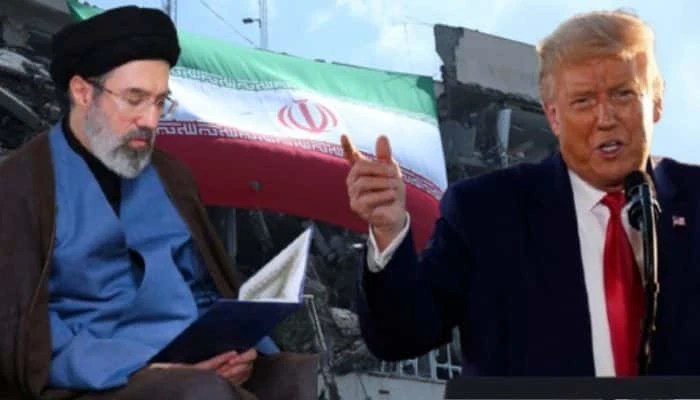
Iran has sought to use its influence over the waterway as leverage during negotiations, while the United States has responded with intensified naval operations and economic pressure targeting Iranian shipping and oil exports.
The confrontation has disrupted shipping activity, increased global energy uncertainty, and contributed to rising oil prices in international markets.
International observers say both countries appear convinced they can outlast the other politically and economically, creating a prolonged deadlock with no immediate breakthrough in sight.
Reports indicate that diplomatic optimism has repeatedly collapsed due to disagreements over uranium enrichment limits, sanctions removal, and future security arrangements in the Gulf region.
Iranian officials have publicly stated that the country remains prepared for military escalation if necessary, while simultaneously claiming they are seeking what they describe as a “lasting peace.”
Meanwhile, the United States continues increasing pressure through sanctions and naval enforcement measures aimed at weakening Iran’s oil export networks and financial resilience.
The crisis has also generated wider global concerns because prolonged instability in the Gulf region threatens international trade, fuel supplies, fertilizer shipments, and broader economic stability.
Diplomatic efforts involving regional mediators and international actors have so far failed to produce a comprehensive agreement capable of ending the confrontation.
Analysts warn that the longer the deadlock continues, the greater the risk of accidental escalation, economic disruption, or renewed direct military conflict.
The situation has increasingly been compared by some observers to a modern geopolitical “cold war,” involving sanctions, naval blockades, cyber pressure, proxy tensions, and negotiations without full-scale peace.
Despite occasional reports suggesting possible progress in negotiations, both sides continue showing little willingness to compromise on core demands.
For now, the U.S.-Iran confrontation remains unresolved, leaving the international community closely watching one of the world’s most dangerous geopolitical flashpoints.


