Samsung Faces Biggest Labour Crisis as Workers Demand Share of AI Profits
By: Ebenezer Adu-Gyamfi / Emmanuel Ayiku for GhanaianNewsCanada | June 1, 2026

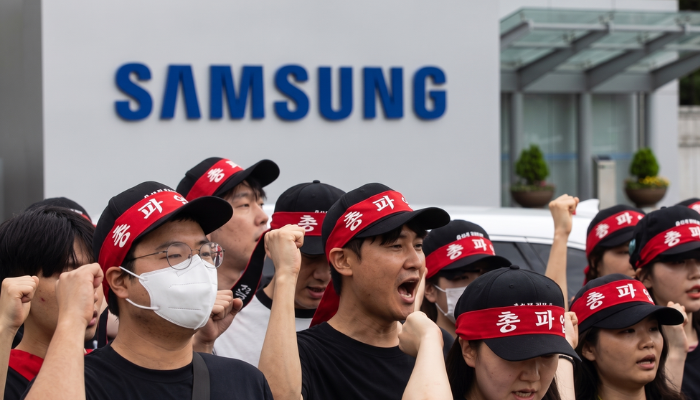
Samsung Electronics faced the prospect of its largest labour disruption in company history after tens of thousands of workers threatened strike action, demanding a larger share of profits generated by the global artificial intelligence boom. The dispute emerged as employees argued that workers helping power Samsung’s fast-growing semiconductor business deserve stronger financial rewards amid record earnings.
At the centre of the dispute were employees in Samsung’s semiconductor division, particularly workers involved in memory chip production used in artificial intelligence systems. Samsung has become one of the world’s biggest beneficiaries of soaring demand for AI-related chips, including high-bandwidth memory (HBM) chips essential for advanced AI systems developed by companies such as Nvidia and major technology firms. The South Korean technology giant reportedly recorded massive profit growth as global demand for AI infrastructure accelerated.
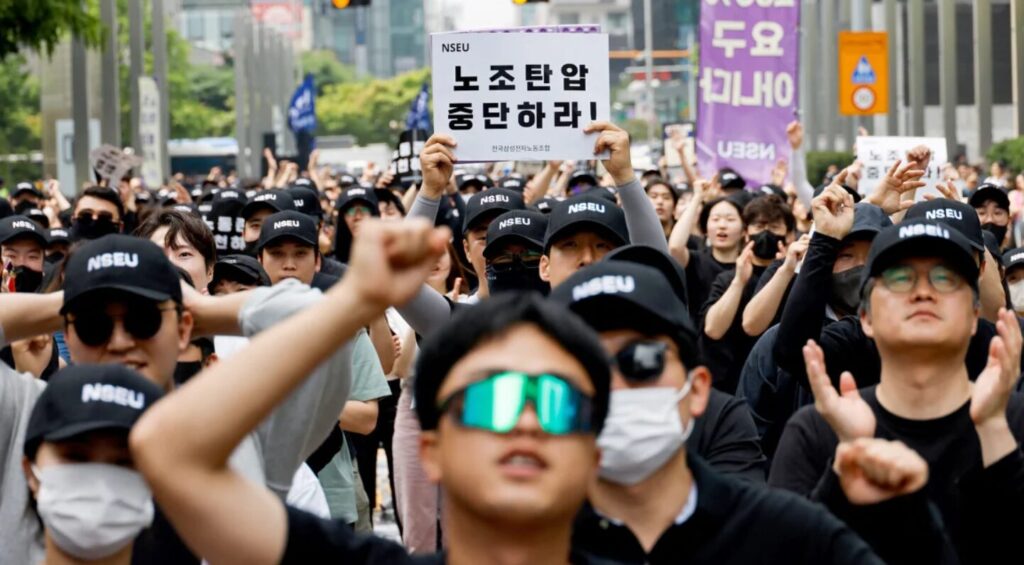
Labour unions representing Samsung workers argued that while company profits surged, employees were not receiving compensation proportional to the scale of growth. Union leaders reportedly pushed for a system that would allocate a fixed percentage of Samsung’s operating profits toward worker bonuses, saying employees directly contributing to AI-related production should share more meaningfully in the financial gains.
The threatened industrial action was expected to involve roughly 45,000 to 48,000 workers, making it potentially the biggest strike in Samsung’s history and one of the largest labour disputes ever seen in South Korea’s semiconductor sector. Analysts warned that a prolonged disruption could affect the global supply chain for memory chips, many of which are critical for data centres, cloud computing, and artificial intelligence technologies.
The dispute reflected deeper concerns over who benefits most from the AI revolution. Workers argued that engineers, technicians, and factory staff play a direct role in producing the semiconductor technologies fueling corporate profits and should therefore receive stronger profit-sharing arrangements. Economists and labour analysts described the standoff as part of a wider global debate over whether AI-generated wealth is being fairly distributed between corporations, shareholders, and employees.
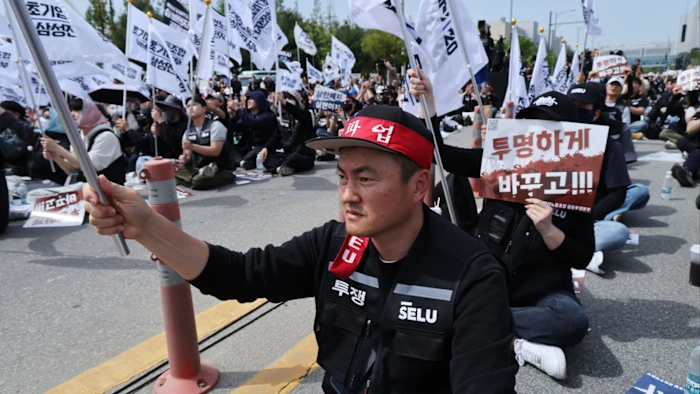
Following weeks of negotiations, Samsung eventually reached a landmark agreement with labour unions that helped avert a major strike. Under the deal, semiconductor employees are expected to receive bonuses linked to operating profits, with reports suggesting the company agreed to allocate approximately 10.5 percent of semiconductor division earnings toward worker rewards, largely through stock-based compensation. Some workers could reportedly receive bonuses worth hundreds of thousands of dollars depending on company performance.
The agreement marked a major shift in Samsung’s labour relations and broader South Korean corporate culture. Historically, Samsung maintained a difficult relationship with organized labour and had long resisted union influence. Industry observers say the outcome may encourage workers at other major companies to push for similar profit-sharing arrangements linked to AI growth and technological transformation.
The dispute also sparked debate among investors and policymakers over the long-term consequences of expanding worker profit-sharing. Supporters argue stronger employee rewards improve morale, reduce labour tension, and help companies retain highly skilled engineers needed in competitive industries. Critics, however, warn that aggressive bonus structures may increase labour costs and reduce shareholder returns.
As artificial intelligence continues reshaping industries worldwide, Samsung’s labour standoff highlights a growing question facing economies everywhere: who should benefit most from the profits created by the next technological revolution?