

By Ebenezer Adu-Gyamfi / Emmanuel Ayiku | Reporting for Ghanaian News Canada | May 5, 2026
Ghana’s political landscape on May 5, 2026, is not defined by a single dramatic event, but by growing pressure across key sectors that are steadily shaping national discourse. From education and economic management to energy and governance, the focus is increasingly shifting from partisan arguments to policy performance and accountability.
At the center of today’s conversation is a renewed call for action on education inequality. The Centre for Democratic Development (CDD-Ghana) has urged government to take urgent steps to address disparities in access to quality education. Analysts warn that without deliberate intervention, the gap between well-resourced urban schools and underserved rural communities could widen further, with long-term consequences for national development.
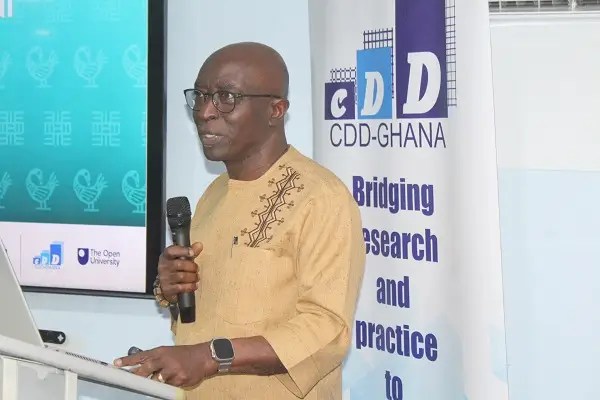
The issue has quickly gained political significance, as it challenges policymakers to move beyond rhetoric and deliver measurable improvements. Education, often described as the foundation of economic growth, is now becoming a test of governance effectiveness.
At the same time, Ghana is actively engaging in regional policy initiatives, particularly in the health sector. Government representatives are participating in broader West and Central African efforts aimed at strengthening healthcare systems, improving access, and creating employment opportunities through health investments. This involvement reflects Ghana’s ambition to maintain influence beyond its borders while addressing domestic challenges.
However, it is the economy that continues to dominate political attention. Conversations around the strength and independence of the Bank of Ghana remain active, with calls for recapitalisation and concerns about political interference in financial management. These discussions are closely tied to broader issues such as inflation, currency stability, and investor confidence.
Energy concerns also remain a persistent pressure point. Ongoing debates about power supply challenges—commonly referred to as dumsor—highlight structural weaknesses in infrastructure, planning, and maintenance. While efforts are being made to stabilize the system, the issue continues to test public confidence in government’s ability to manage essential services.
In addition, sectors such as gold exports and the cocoa industry are under scrutiny, as policymakers attempt to balance revenue generation with sustainability and efficiency. These economic discussions are not isolated; they are interconnected elements of a larger narrative about how Ghana manages its resources and plans for long-term growth.
What is becoming increasingly clear is a shift in the tone of Ghana’s politics. Civil society organizations, policy experts, and sections of the public are demanding more than political promises. There is a growing expectation for tangible results, transparency, and consistent policy direction.
This shift is gradually redefining political engagement in the country. While party loyalty remains influential, there is a noticeable rise in issue-based discussions centered on governance outcomes rather than political identity alone.
For the government, this presents both a challenge and an opportunity. The challenge lies in addressing multiple pressure points simultaneously, while the opportunity rests in demonstrating leadership through effective policy implementation.
As Ghana navigates these complex issues, one thing is evident: the political conversation is evolving. It is no longer driven solely by competition between parties, but by a broader demand for accountability and national progress.
𝘼𝙗𝙤𝙪𝙩 𝙊𝙪𝙧 𝙍𝙚𝙥𝙤𝙧𝙩𝙞𝙣𝙜 𝙎𝙩𝘼𝙉𝘿𝘼𝙍𝘿𝙎
𝘛𝘩𝘪𝘴 𝘢𝘯𝘢𝘭𝘺𝘴𝘪𝘴 𝘸𝘢𝘴 𝘱𝘳𝘦𝘱𝘢𝘳𝘦𝘥 𝘶𝘴𝘪𝘯𝘨 𝘱𝘶𝘣𝘭𝘪𝘤 𝘪𝘯𝘧𝘰𝘳𝘮𝘢𝘵𝘪𝘰𝘯, 𝘱𝘰𝘭𝘪𝘤𝘺 𝘰𝘣𝘴𝘦𝘳𝘷𝘢𝘵𝘪𝘰𝘯, 𝘢𝘯𝘥 𝘦𝘥𝘪𝘵𝘰𝘳𝘪𝘢𝘭 𝘪𝘯𝘴𝘪𝘨𝘩𝘵. 𝘖𝘶𝘳 𝘨𝘰𝘢𝘭 𝘪𝘴 𝘵𝘰 𝘥𝘦𝘭𝘪𝘷𝘦𝘳 𝘵𝘩𝘰𝘶𝘨𝘩𝘵𝘧𝘶𝘭, 𝘣𝘢𝘭𝘢𝘯𝘤𝘦𝘥, 𝘢𝘯𝘥 𝘱𝘶𝘣𝘭𝘪𝘤-𝘪𝘯𝘵𝘦𝘳𝘦𝘴𝘵 𝘫𝘰𝘶𝘳𝘯𝘢𝘭𝘪𝘴𝘮.


