Carney Warns Alberta Separation Vote Could Become ‘Dangerous Bluff’
Canadian Prime Minister cautions against referendum debate as Alberta prepares for non-binding vote on independence
By: Ebenezer Adu-Gyamfi / Emmanuel Ayiku for GhanaianNewsCanada | May 25, 2026
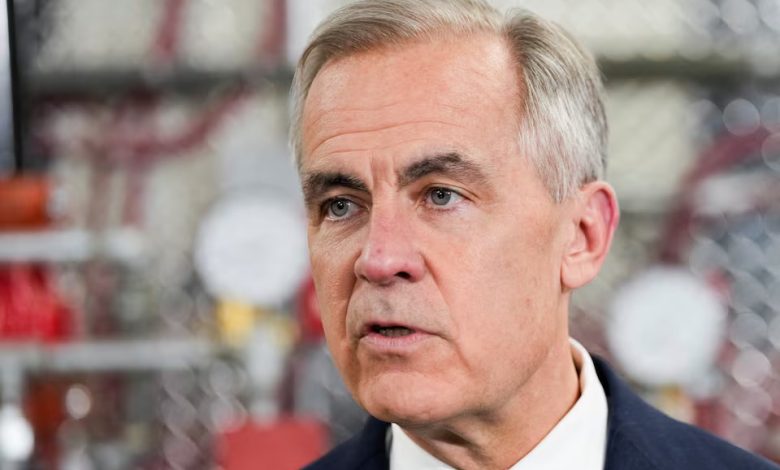
Canadian Prime Minister Mark Carney has warned that Alberta’s planned referendum on separation from Canada could become a “dangerous bluff,” cautioning that even a non-binding vote risks creating political instability and national division. Alberta is expected to hold a public vote in October on whether the province should begin legal steps toward a future referendum on independence.
The proposed referendum, announced by Alberta’s provincial government, would not immediately separate the oil-rich province from Canada. Instead, residents will be asked whether Alberta should begin the constitutional process required to potentially hold a legally binding vote on independence in the future. Provincial leaders say the move is intended to measure public opinion rather than trigger immediate separation.
Speaking to reporters on Monday, Carney expressed concern over the implications of reopening constitutional debates at a time when Canada faces economic pressures and major international negotiations. He argued that raising questions about national unity without a direct electoral mandate risks unintended political consequences.
“I saw firsthand what happened in the United Kingdom,” Carney said, referring to the 2016 Brexit referendum while warning about long-term consequences that can follow divisive political votes. He suggested some voters may not fully anticipate the real impact of separation-related decisions until after outcomes unfold.
Carney questioned whether the referendum reflects the democratic wishes of Albertans, noting that Alberta’s governing United Conservative Party did not campaign on a separation vote during the province’s 2023 election campaign. According to the Prime Minister, reopening such constitutional questions without public consensus risks creating unnecessary tension.
The separation debate has gained momentum largely due to dissatisfaction in Alberta over past federal environmental and energy policies introduced under former Prime Minister Justin Trudeau. Critics in the province argue those policies negatively affected Alberta’s oil and gas sector, a major driver of the provincial economy. Since taking office, Carney has rolled back several environmental measures in an effort to address provincial concerns and improve relations with Alberta.
Despite the growing political discussion, recent polling suggests a majority of Albertans still support remaining part of Canada. An Angus Reid survey released Monday found that roughly 60 percent of Albertans would vote to remain in Canada, while an even larger majority reportedly oppose full separation in a binding referendum.
The proposed vote represents a rare moment in Canadian politics, as Alberta would become the first province outside Quebec to formally test public appetite for separation through a referendum process. Political analysts say the development introduces fresh uncertainty into national politics while reopening questions about regional identity, federal-provincial relations, and economic autonomy.
Carney has meanwhile sought to balance criticism of the referendum with reassurance, repeatedly emphasizing Alberta’s importance to Canada’s economy and future development. He recently described the province as “essential” to national growth and signaled continued efforts to strengthen cooperation with provincial leaders.