By Boakye Stephen, Kumasi, Ghana | Reporting for Ghanaian News, Canada | May 2, 2026
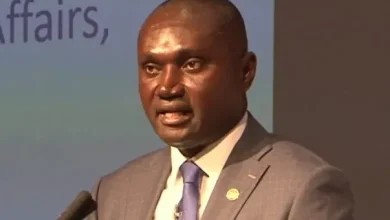
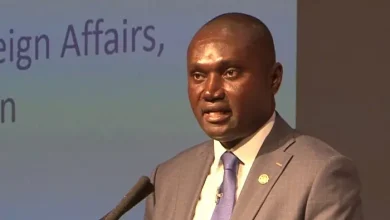
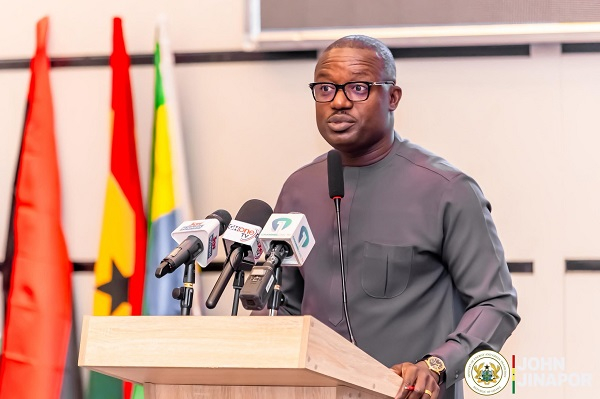
Ghana’s Energy Minister, John Abdulai Jinapor, has presented a data-backed defence of the country’s improving electricity supply, arguing that 2025 shows measurable progress compared to the persistent outages of 2024.
“When you look at the 2024 data against 2025, there is a remarkable improvement. This is data, not opinion, these are facts.”
According to him, the contrast is stark:
“In 2024, every single month recorded outages, not just for a week or two, but consistently throughout each month.”
But in 2025, the pattern has shifted. Some regions now experience months without load shedding, suggesting that reforms are beginning to stabilise the national grid.
Still, the Minister does not claim victory:
“We are not completely done with the reforms.”
He attributes remaining outages to localized faults, not a nationwide systemic collapse. Yet the deeper structural issues remain visible, especially in the distribution network.
A key concern is Ghana’s ageing transformer system:

Many are obsolete
Many are overloaded
Many cannot meet rising demand
ECG has admitted that these transformers “were unable to handle increasing demand, leading to frequent tripping.”
The scale is significant:
“Approximately 83,000 transformers nationwide require attention.”
Government has begun replacements and upgrades, but:
“We inherited these challenges and have rolled out a programme to address them, but it is a gradual process.”
On the financial side, there is progress:
Payments to Independent Power Producers have improved
From 42% to full payment under the cash waterfall mechanism
The Minister ends with an appeal:
“So I will appeal to Ghanaians for a bit of patience… isolated cases will soon be addressed.”
COMMENTARY | BOAKYE STEPHEN
Improvement is real, but so is fragility.
When a system depends on thousands of ageing transformers, stability is not permanent, it is conditional.
Data can show progress.
But infrastructure reveals truth.