Mahama Gives Assurance on $150 Million Coastal Protection Project
World Bank-backed programme aims to defend vulnerable communities from sea erosion and flooding across Ghana’s coastline
By Ebenezer Adu-Gyamfi / Emmanuel Ayiku | Reporting for Ghanaian News Canada | April 30, 2026

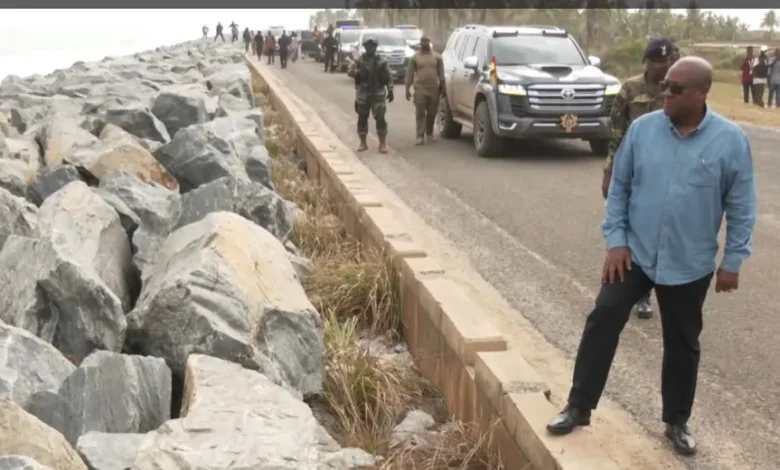
President John Dramani Mahama has assured residents in Ghana’s coastal communities that the long-awaited West African Coastal Areas (WACA) Project remains on course and will soon deliver major protection works to areas threatened by sea erosion and flooding. The reassurance came during his visit to affected communities, where concerns have remained high over the impact of rising tides and damaged shorelines.
The project is backed by the World Bank and is expected to channel about $150 million into coastal resilience efforts in Ghana and parts of West Africa. The programme focuses on defending communities, restoring damaged ecosystems, and protecting livelihoods that depend on the sea.
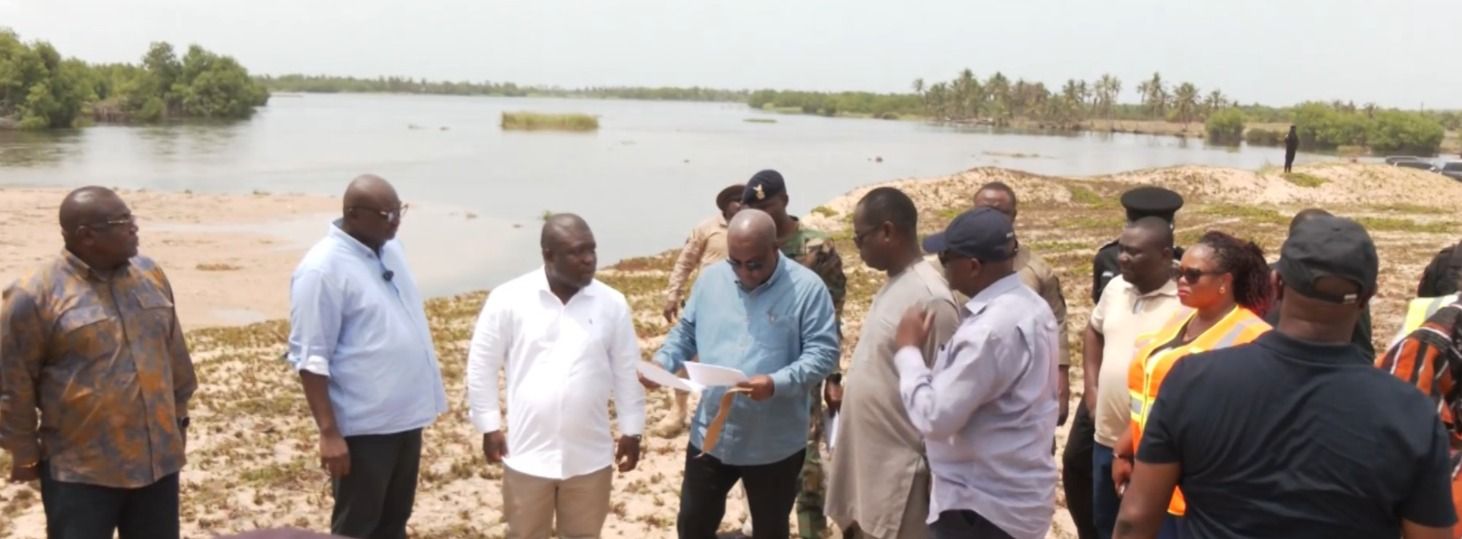
Many communities along Ghana’s coast have faced years of destruction caused by strong waves, flooding, and land loss. Homes, roads, fishing areas, and businesses in several regions have been placed at risk, forcing repeated calls for urgent government intervention.
President Mahama said the funds for the initiative are secure and that implementation plans are progressing. His comments are likely to bring relief to residents who fear losing more land and property if protective structures are delayed further.
The WACA programme is part of a wider regional effort involving several West African countries to respond to climate threats and coastal degradation. According to programme data, coastal zones generate a large share of West Africa’s economic activity, making protection efforts vital for jobs, trade, and long-term growth.
Environmental experts say projects like WACA are increasingly important as climate change intensifies storm surges and sea-level rise across vulnerable coastal regions. Without intervention, more communities could face displacement and economic hardship.
For Ghana, the success of the project could determine the future of several shoreline towns that depend on fishing, tourism, and coastal trade. Residents will now be watching closely for visible construction progress and timely delivery.
The promise of protection has been welcomed—but for many families living near the sea, real confidence will come only when the barriers, drainage systems, and restoration works are completed.
𝘼𝙗𝙤𝙪𝙩 𝙊𝙪𝙧 𝙍𝙚𝙥𝙤𝙧𝙩𝙞𝙣𝙜 𝙎𝙩𝘼𝙉𝘿𝘼𝙍𝘿𝙎
𝘛𝘩𝘪𝘴 𝘴𝘵𝘰𝘳𝘺 𝘸𝘢𝘴 𝘱𝘳𝘦𝘱𝘢𝘳𝘦𝘥 𝘶𝘴𝘪𝘯𝘨 𝘷𝘦𝘳𝘪𝘧𝘪𝘦𝘥 𝘱𝘶𝘣𝘭𝘪𝘤 𝘳𝘦𝘱𝘰𝘳𝘵𝘴, 𝘤𝘳𝘦𝘥𝘪𝘣𝘭𝘦 𝘯𝘦𝘸𝘴 𝘴𝘰𝘶𝘳𝘤𝘦𝘴, 𝘢𝘯𝘥 𝘦𝘥𝘪𝘵𝘰𝘳𝘪𝘢𝘭 𝘧𝘢𝘤𝘵-𝘤𝘩𝘦𝘤𝘬𝘪𝘯𝘨. 𝘖𝘶𝘳 𝘨𝘰𝘢𝘭 𝘪𝘴 𝘵𝘰 𝘥𝘦𝘭𝘪𝘷𝘦𝘳 𝘢𝘤𝘤𝘶𝘳𝘢𝘵𝘦, 𝘣𝘢𝘭𝘢𝘯𝘤𝘦𝘥, 𝘢𝘯𝘥 𝘵𝘳𝘶𝘴𝘵𝘸𝘰𝘳𝘵𝘩𝘺 𝘯𝘦𝘸𝘴 𝘧𝘰𝘳 𝘰𝘶𝘳 𝘳𝘦𝘢𝘥𝘦𝘳𝘴.