By Boakye Stephen, Kumasi, Ghana | Reporting for GhanaianNewsCanada
Good afternoon, listeners.
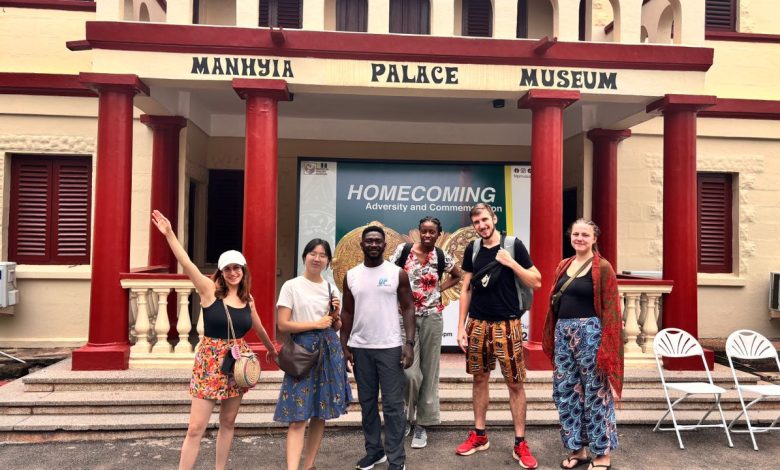
A major shift is unfolding in the Ashanti Region’s tourism sector, as the Manhyia Palace Museum has surged ahead of the Kumasi Zoo, redefining the region’s top tourist destination in 2026.
This is a significant development, considering the Kumasi Zoo’s strong dominance in recent years. In 2025 alone, the zoo attracted over 118,000 visitors, ranking as the most visited site in the region and among the top nationally.
However, new figures released by the Ghana Tourism Authority indicate a change in momentum.
According to the Ashanti Regional Director, Fredrick Adjei Rudolph:
“This year, Manhyia Museum is beating Kumasi Zoo. Manhyia Museum has so far recorded 120,000 visitors, while Kumasi Zoo stands at 118,000.”
From the numbers, the difference may appear marginal, but the implications are far-reaching, it signals a shift in preference, perception, and purpose among tourists.
What is even more revealing is the dominance of local participation in both destinations.
“In 2025, Manhyia Palace recorded visits from 102,000 Ghanaians compared to 17,900 foreign tourists. At Kumasi Zoo, Ghanaian arrivals reached 117,000, while foreign visits numbered just 933.”
This clearly shows that Ghana’s tourism engine is being driven primarily by its own people, not international visitors.
Beyond Kumasi, attention is being drawn to Lake Bosomtwe, a natural asset many believe is yet to reach its full potential.
Mr. Rudolph outlined a vision to transform the lake into a world-class destination:
“It can be turned into a place where we can have nature tourism: Bird watching, hiking, cycling and any water friendly spot… scientific and educational tourism… cultural tourism… and water base recreation.”
He further suggested that with proper development, the lake could generate millions in revenue, potentially outperforming some of Ghana’s most recognized tourist sites.
“I belief we could make more than 10million from Lake Bosomtwe.”
However, he acknowledged persistent challenges:
“I can categorize the problems into three… access, waste management and pollution… and extortion.”
Extensive Analysis | By Boakye Stephen
What we are witnessing here is not just a tourism update, it is a cultural and economic signal with deep national implications.
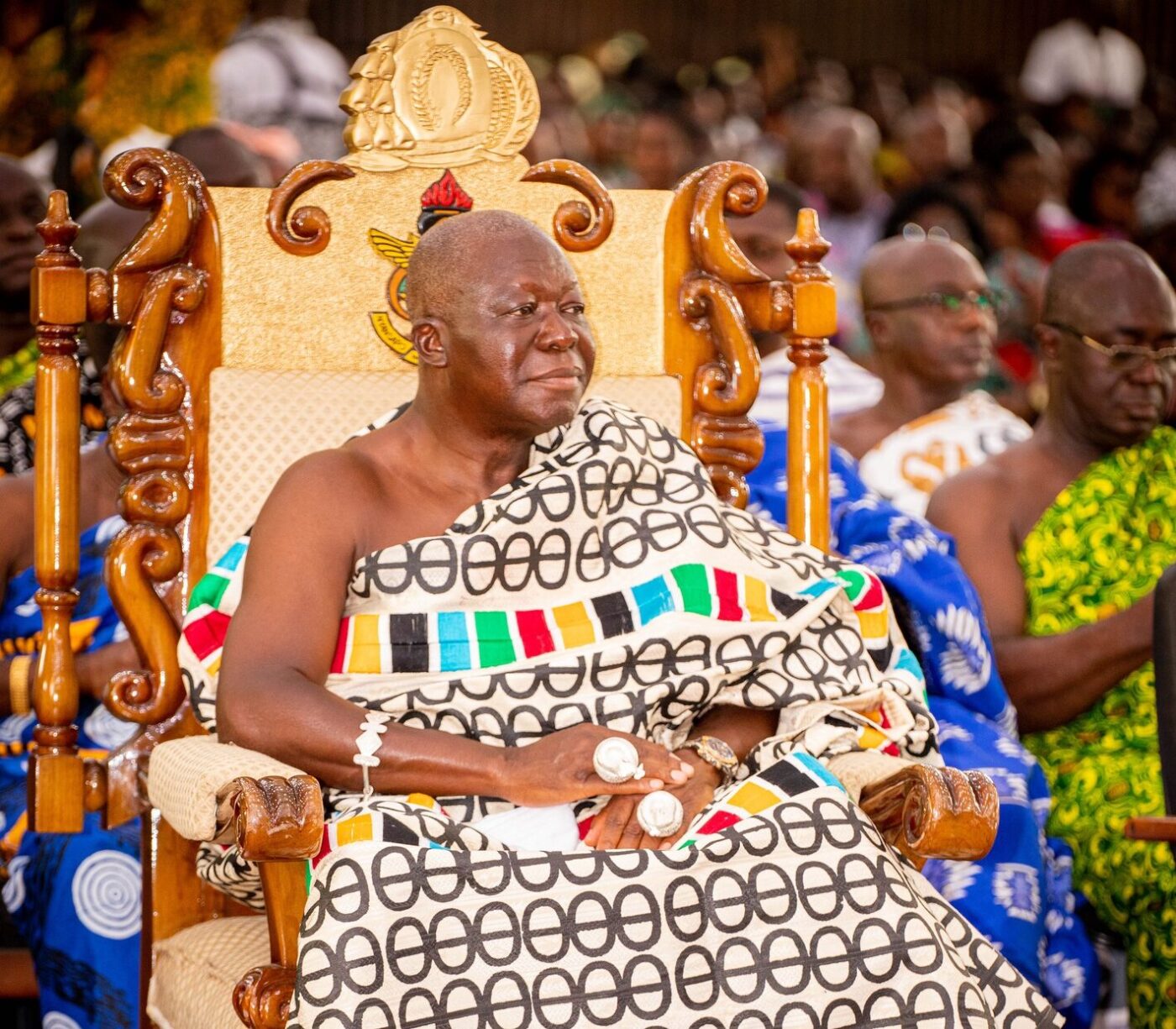
First, the rise of the Manhyia Palace Museum reflects a reawakening of cultural consciousness. People are increasingly drawn to places that tell a story, places that connect them to identity, ancestry, and legacy.
The zoo offers observation.
The palace offers meaning.
And in a time where societies are searching for identity in a globalized world, meaning will always outperform mere entertainment.
Second, this shift reveals a structural truth about Ghana’s tourism model:
It is internally strong but externally weak.
The overwhelming dominance of local visitors suggests:
Ghana has a ready domestic market
But lacks global tourism penetration
This is not just a marketing issue,it is an ecosystem problem involving:
Infrastructure
Accessibility
International branding
And visitor experience standards
Third, the case of Lake Bosomtwe exposes one of Ghana’s greatest economic paradoxes:
High potential, low conversion.
Think about it:
A unique natural lake with scientific, cultural, and ecological value
Capable of hosting multiple tourism streams
Yet underperforming due to basic issues like roads, sanitation, and regulation
This is not a resource problem.
It is a management and prioritization problem.
Even more concerning is the mention of extortion.
That single factor alone can destroy investor confidence and discourage both local and international tourists. Tourism thrives on trust and experience, and once that trust is broken, recovery becomes difficult.
From a strategic lens, Ghana must move from:
Tourism admiration – Tourism execution
Potential identification – Infrastructure investment
Local success – Global competitiveness
If properly harnessed:
Manhyia Palace could become a global cultural heritage site
Lake Bosomtwe could evolve into a multi-sector tourism economy
And Kumasi could position itself as West Africa’s cultural tourism capital
But without decisive action, these opportunities risk remaining untapped narratives rather than economic realities.
Closing Insight
This is more than a change in rankings, it is a message.
A message that:
Culture is rising
Tourism is evolving
And Ghana stands at the edge of a major economic opportunity
The only question is whether that opportunity will be strategically seized, or gradually lost.
From Kumasi, Ghana, I am Boakye Stephen, reporting for Ghanaian News, Canada. Stay informed.