The Central Library at Hamilton, Ont., is home to six sprawling floors of literature and learning, with a mission statement that includes innovation, respect and inclusion. Though delivering on those values is becoming increasingly more challenging according to the library’s CEO.
“Ultimately, it’s been the drug consumption that has been really problematic and really disrupting our ability to be a public library,” says Hamilton Public Library CEO Paul Takala.
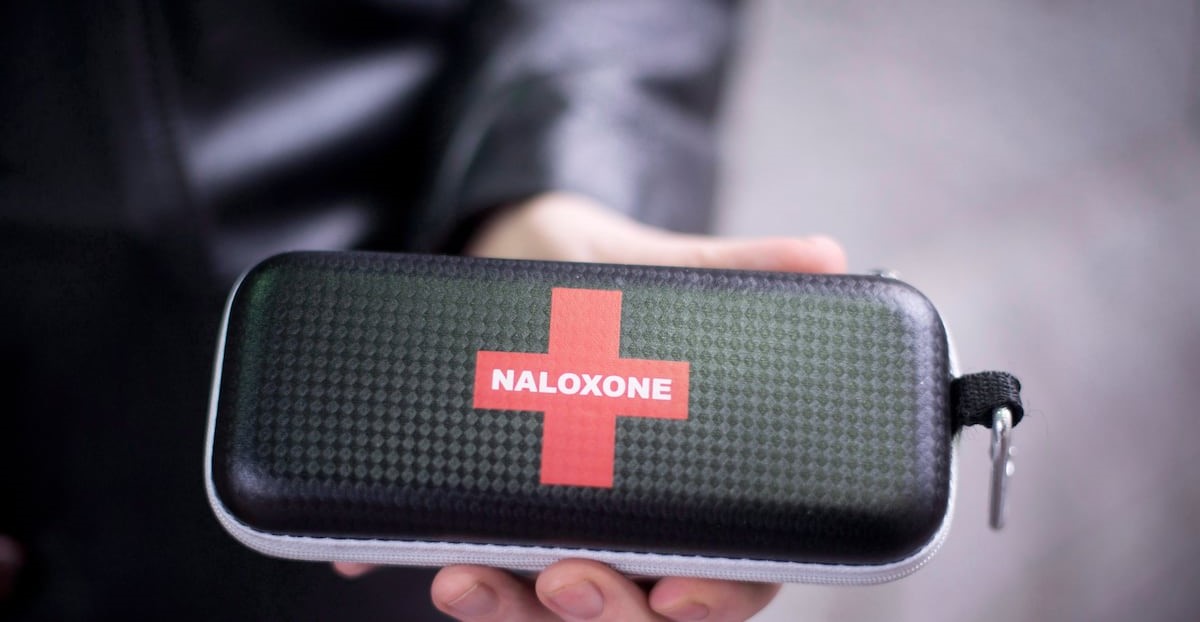
Since December, paramedics have been called to the Hamilton Central Library 105 times. Security have administered lifesaving naloxone to individuals who’ve been overdosing on 44 separate occasions.
In the first five weeks of this year there have been a total of 771 incidents involving security guards inside the library.
“We’ve found people consuming drugs in the washrooms, sometimes they’re consuming drugs in the library itself,” shares Takala.
More than a year ago the library installed motion detectors in the washrooms, to help staff identify if someone is using drugs in the washroom, or if they’re not moving and have potentially overdosed.
While visiting the library, CTV National News observed a woman who screamed and swore at security guards while they asked her to leave. Another man stumbled while leaning over a bookcase that was helping him stand up. CTV News also watched as an individual in nothing more than a hospital gown walked out the front doors of the library into the streets on a brisk February afternoon.
Recently, Takala brought an idea to the city’s library board to temporarily close the public space. Speaking to CTV National News, Takala says the idea was to give the library “time for a reset.” However, the board voted against the proposal.
Union leaders representing library workers tells CTV News that this is a nationwide problem. Libraries are one of the last true public spaces, and with limited shelters, warming centres and safe injection sites, libraries in Canadian cities have found themselves on the front lines of the opioid and mental health crisis gripping parts of the country.
In March 2025, two libraries in Saskatoon were temporarily closed amid safety and overdose concerns inside the public’s spaces.
Speaking to the media one year ago, union leaders said the temporary closure would give librarians a much-needed break.
“Library workers aren’t first responders. They shouldn’t have to deal with medical emergencies. They shouldn’t have to deal with violent people. They should be there to help people read, find books, find information,” Cara Stelmach, a representative with CUPE 2669, said in March of last year.
At the time, Saskatoon’s Public Library CEO shared her belief that libraries cannot serve as a refuge for people with nowhere else to go. Last May in Thunder Bay, Ont., a library there had to temporarily close after a staff member was assaulted.
“There’s inadequate funding for people who are struggling with different issues, whether it’s opioid use, homelessness. Libraries across Canada are kind of feeling the impact of having to take on that burden and we’re not always adequately trained or the right people to respond but because libraries are open to everyone, it’s one of the last places everyone can attend, we’re left to respond to all of the issues in our communities,” says CUPE National Library Workers’ Committee co-chair Brandon Haynes.
Back in Hamilton, there’s no clear consensus on the best path forward. When asked if they believe the library should close to allow for a reset, local CUPE president Lisa Hunt tells CTV News, “I’m not sure. It’s a difficult question. We’re hoping to find a solution that keeps the library accessible, that keeps it inclusive.”
While drug overdoses are down in Hamilton year over year, the number of emergency calls for overdose-related assistance is up, according to Hamilton Public Health.
“Across many communities across the country there continues to be an unpredictable and toxic drug supply, we know that many in our community are struggling with unmet mental health needs, we have people experiencing homelessness, it truly is a case of multiple complex factors,” says director of epidemiology and wellbeing at Hamilton Public Health Melissa Biksa.
Last year, the Ontario government closed 10 safe injection sites, including in Hamilton, opting to open treatment facilities in their place.
Multiple CUPE union leaders who represent library workers across Ontario told CTV News they believe that the rampant use of drugs and overdoses in public libraries is in part due to the closure of supervised injection sites.