Trump Tells Europe to “Get Your Own Oil” as Rift Deepens Over Iran War
U.S. president criticizes allies’ refusal to join conflict, exposing fractures in Western unity and raising concerns over global energy security
By Ebenezer Adu-Gyamfi / Emmanuel Ayiku | Reporting for Ghanaian News, Canada April 1, 2026

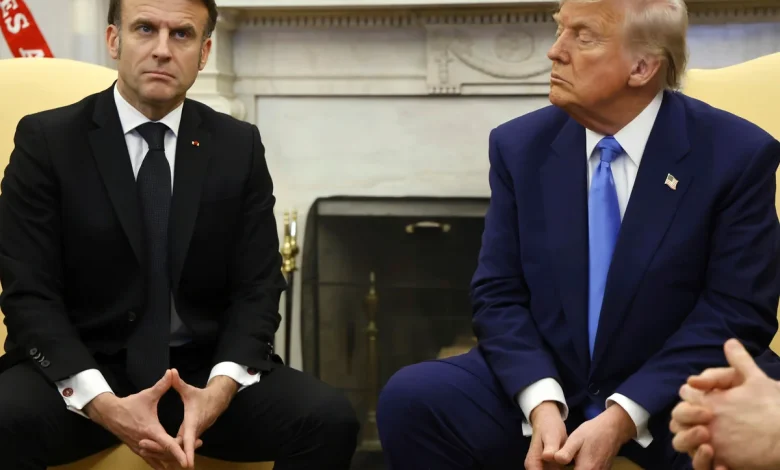
U.S. President Donald Trump has launched a sharp and public criticism of European allies, accusing them of failing to support the United States in the ongoing war against Iran and urging them to take responsibility for their own energy security.
In strongly worded remarks that have intensified diplomatic tensions, Trump dismissed Europe’s reliance on U.S. military efforts to secure global oil routes, particularly in the volatile Gulf region.
“Go get your own oil,” he said, in comments widely interpreted as a rebuke to nations unwilling to participate in the conflict.
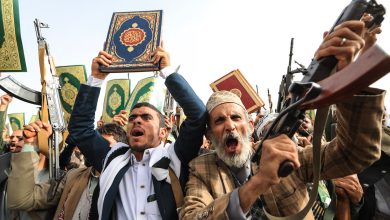
The statement comes at a critical moment in the war, as military operations by the United States and Israel continue to target Iranian infrastructure, while Tehran responds with missile and drone attacks across the region.
At the center of the dispute is the strategic Strait of Hormuz, a narrow waterway through which a significant portion of the world’s oil supply passes. Disruptions linked to the conflict have already sent shockwaves through global energy markets, pushing up fuel prices and heightening economic uncertainty.
European nations, however, have shown increasing reluctance to become directly involved. Countries such as Italy, Spain, and France have either denied the use of military bases, restricted airspace, or limited logistical support for U.S.-led operations. Officials in these countries have cited legal frameworks, parliamentary oversight requirements, and domestic political considerations as key reasons for their stance.
The divergence has exposed growing fractures within long-standing alliances, particularly within NATO, where unity has historically been a cornerstone of collective security. Analysts say the اختلاف highlights a broader shift in transatlantic relations, with European governments taking a more cautious and independent approach to military engagement.

Trump’s remarks reflect a more transactional view of international partnerships, suggesting that allies benefiting from secure energy routes should contribute more directly to maintaining them. His position signals a departure from traditional alliance dynamics, where the United States has often taken a leading role in global security without demanding proportional involvement from partners.
The situation is further complicated by the economic implications of the war. The disruption of oil flows through the Strait of Hormuz has triggered volatility in global markets, affecting both developed and developing economies. European countries, heavily reliant on imported energy, face mounting pressure to secure alternative supplies while avoiding deeper involvement in the conflict.
Meanwhile, diplomatic efforts to de-escalate tensions continue behind the scenes. Indirect negotiations between Washington and Tehran remain ongoing, though progress has been limited. Both sides have maintained firm positions, with the United States seeking concessions on security and nuclear concerns, while Iran has resisted external pressure and continued its regional posture.
Security experts warn that prolonged divisions among Western allies could weaken coordinated responses to global crises, potentially emboldening adversaries and complicating efforts to stabilize the region.
As the conflict enters a more uncertain phase, the growing rift between the United States and its European partners underscores the challenges of maintaining unity in an increasingly complex geopolitical environment—where energy security, military strategy, and national interests are becoming ever more intertwined.