

By Boakye Stephen, Kumasi, Ghana | Reporting for Ghanaian News, Canada
Ghana finds itself at a critical intersection of development progress and socio-economic pressure, as the nation celebrates a major advancement in its energy infrastructure while grappling with governance concerns in education and a rapidly escalating youth unemployment challenge.
Three recent developments, the commissioning of a new LPG vessel, the suspension of a nursing college principal, and warnings about a youth unemployment “security time bomb”, together reveal a country attempting to move forward economically while confronting structural weaknesses within key national systems.
A Strategic Energy Milestone in South Korea
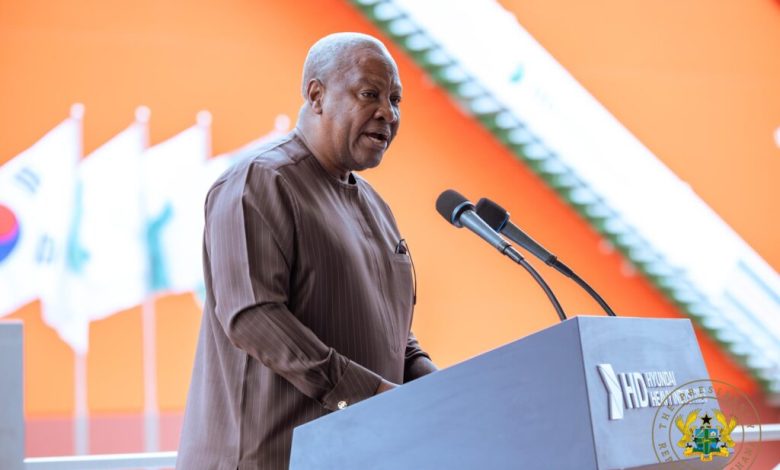
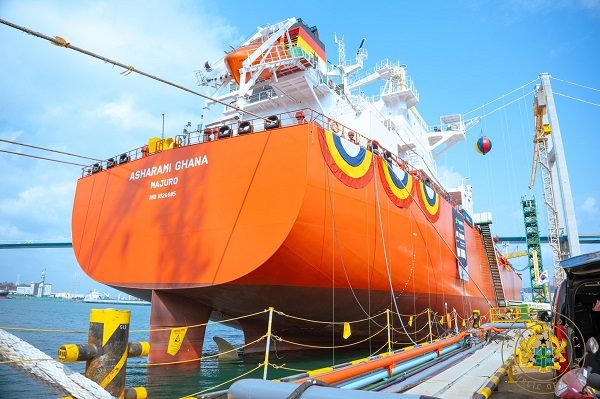
President John Dramani Mahama has commissioned the Sahara LPG Vessel, named Asharami Ghana, in South Korea, marking what government officials describe as a strategic investment in Ghana’s energy security and its transition toward cleaner energy sources.
Addressing stakeholders during the commissioning ceremony on March 12, President Mahama stated that the event represented “more than a ceremonial occasion.”
According to him, the vessel symbolizes Ghana’s commitment to strengthening the infrastructure that supports the global liquefied petroleum gas (LPG) supply chain.
Energy remains a fundamental pillar in national development. For Ghana, LPG has increasingly become central to government policies aimed at reducing dependence on environmentally harmful fuels such as charcoal and firewood, which continue to dominate cooking practices across many rural communities.
The President further emphasized the importance of strategic international partnerships, noting that the project reflects cooperation between global investors and Ghanaian stakeholders committed to expanding access to modern energy.
Analysts say such investments could significantly improve Ghana’s LPG import capacity, distribution stability, and regional influence within West Africa’s energy market.
However, critics also argue that infrastructure investments must be matched with transparent management and affordability strategies, as energy prices remain a major concern for many Ghanaian households.

Governance Concerns in Ghana’s Health Education Sector
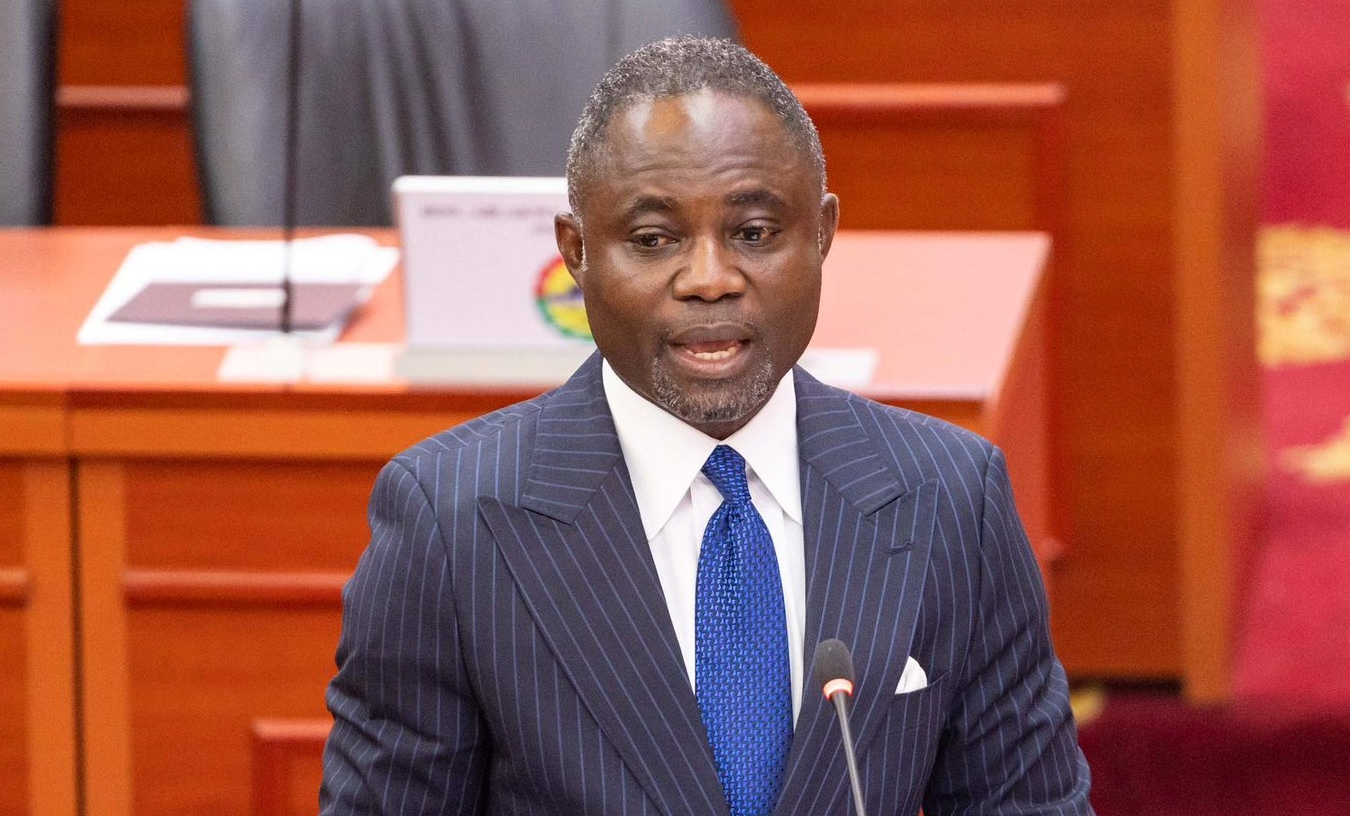
While the energy sector records progress, concerns are emerging in the country’s health training institutions.
The Ministry of Health has suspended Mr. Fredrick Anaba, Principal of the College of Nursing in Nkanchina, following allegations of over-admission of students and the introduction of unapproved academic programmes.
The Ministry confirmed that Mr. Anaba was first issued a formal query on February 19, 2026, regarding admissions conducted for the 2025/2026 academic year.
After reviewing his response, authorities concluded that the matter required a full administrative investigation.
Pending the outcome of the investigation, the principal has been directed to hand over responsibilities to the Acting Vice Principal to ensure continuity in the institution’s operations.
Officials insist the action is part of a broader effort to enforce strict adherence to admission quotas and approved academic programmes across Ghana’s health training institutions.
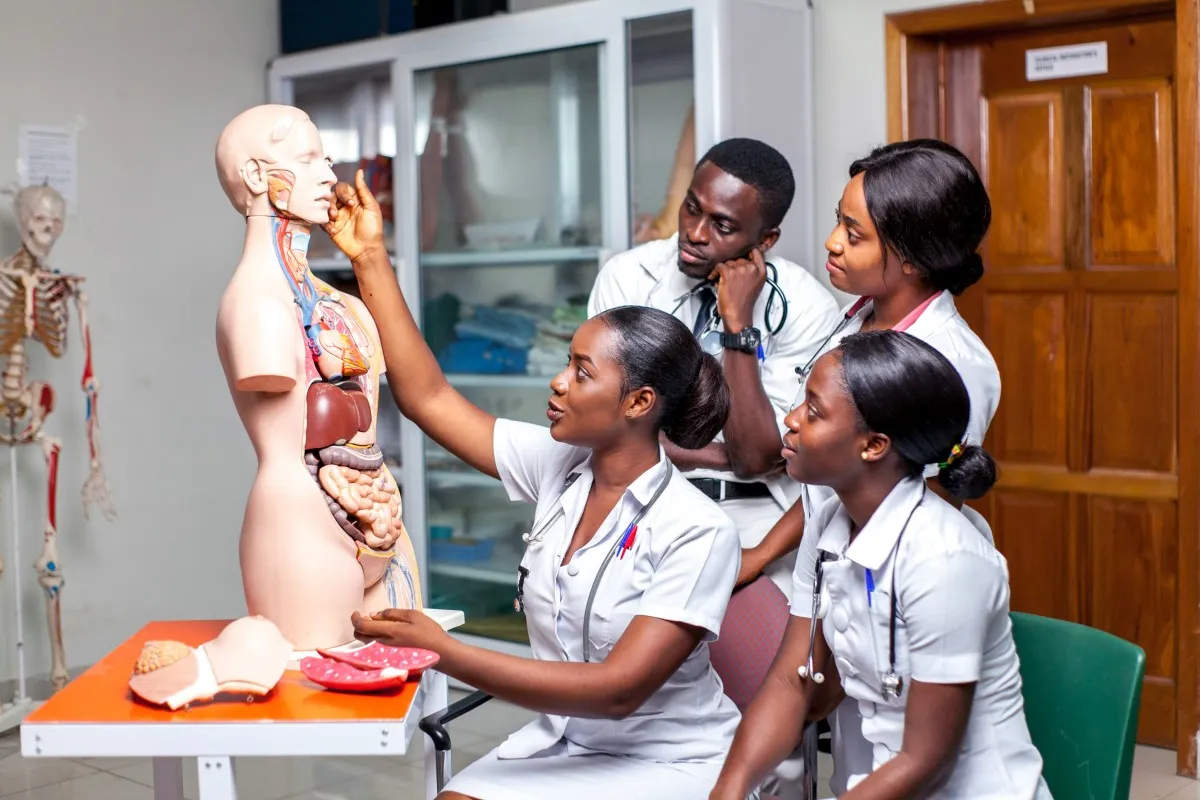
Educational experts say the case reflects a deeper systemic issue.
Across Ghana, the demand for professional programmes in nursing, medicine, and allied health sciences continues to far exceed available training capacity. This pressure has often created environments where administrative decisions risk bypassing regulatory frameworks.
If proven true, the allegations could raise serious concerns about quality assurance in healthcare training, particularly in a country already struggling with healthcare workforce shortages and migration of medical professionals abroad.
A Growing Youth Unemployment “Security Time Bomb”
Beyond infrastructure and institutional governance, perhaps the most pressing issue confronting Ghana is the growing unemployment crisis among its youth.
Policy analyst and IMANI Africa founder Franklin Cudjoe has warned that the country may be sitting on what he calls a “national security time bomb.”
His warning follows startling figures released by the Interior Minister, Muntaka Mohammed-Mubarak, showing that over 405,000 applicants applied for just 5,000 positions within Ghana’s security services.
The numbers are deeply revealing.
Among the applicants were:
75,000 university graduates
330,000 WASSCE certificate holders
Even more striking is the fact that more than 105,000 candidates successfully passed initial screening and medical requirements, yet only 5,000 will ultimately be recruited due to financial constraints.
Mr. Cudjoe argues that these figures expose the scale of unemployment pressures facing Ghana’s younger population.
“Half a million people chasing five thousand jobs should alarm any serious policymaker,” he warned.
Economists say the situation is not merely an employment issue but a national stability concern.
Across parts of West Africa, large numbers of unemployed youth have historically contributed to crime networks, cyber fraud, political violence, and irregular migration.
In Ghana’s case, increasing numbers of young people are already turning toward online scams, risky migration routes across the Sahara, and other survival strategies in search of economic opportunities.

A Nation Balancing Hope and Risk
These developments highlight the complex reality of Ghana’s development path.
On one hand, projects such as the Asharami Ghana LPG vessel demonstrate the country’s ambition to modernize its energy sector and position itself within the global energy supply chain.
On the other hand, governance issues within educational institutions and the alarming scale of youth unemployment expose vulnerabilities that cannot be ignored.
For Ghana, the challenge is no longer simply about building infrastructure, but about ensuring that development translates into sustainable economic opportunities for the population.
Without significant job creation, institutional accountability, and strategic long-term economic planning, analysts warn that the country risks facing social tensions despite its development gains.
As Ghana navigates these challenges, the choices made today by policymakers will likely determine whether the country’s youthful population becomes its greatest economic asset or its most dangerous instability factor.