


Writers: Ebenezer Adu-Gyamfi / Emmanuel Ayiku
GhanaianNewsCanada | March 10, 2026
The Government of Ghana has announced a ban on the land transit of several imported goods, including rice, sugar, frozen foods and other products, as part of new measures aimed at strengthening border control and protecting state revenue.
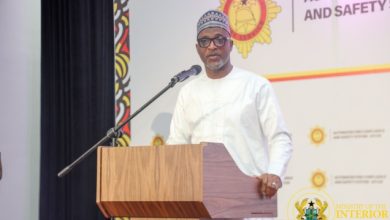
The directive was issued by the Finance Minister Dr. Cassiel Ato Forson after a high-level meeting with the Acting Commissioner of Customs, Aaron Akanor, and the management of the Customs Division of the Ghana Revenue Authority (GRA).
According to the government, the decision was taken following concerns about revenue leakages and smuggling activities at Ghana’s land borders.
Authorities say the new policy is designed to ensure that affected goods are properly monitored and taxed through official entry points, particularly the country’s seaports.
List of Goods Affected by the Ban
Under the new directive, nine categories of goods are no longer permitted to enter or transit through Ghana using land borders.
The affected products include:
-
Cooking oil
-
Rice
-
Sugar
-
Frozen products
-
Textiles
-
Flour
-
Canned tomatoes
-
Pasta / Spaghetti
-
Pharmaceutical products

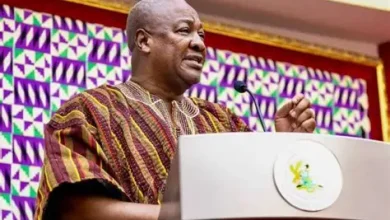
Image Text: Ghana tightens border controls as government bans the land transit of several imported goods.
Government has instructed that these goods must now enter Ghana exclusively through the country’s seaports, where stricter monitoring, scanning, and customs valuation procedures can be applied.
Why the Government Introduced the Policy
Officials say the measure is intended to tighten border control, reduce smuggling and prevent tax evasion.
According to the Finance Ministry, the government has detected several cases where goods declared as “transit goods” meant for other countries were instead diverted into the Ghanaian market without paying the appropriate duties.
In one recent enforcement operation, customs officials intercepted multiple articulated trucks carrying large quantities of goods, leading to an estimated tax revenue loss of more than GH¢85 million.
Authorities believe the new restrictions will help eliminate such loopholes.
Strengthening Customs Monitoring
Alongside the transit ban, the Finance Minister also ordered the recentralisation of the Customs Technical Services Bureau (CTSB) within the Ghana Revenue Authority.
The CTSB is responsible for:
-
Determining the value of imported goods
-
Classifying goods according to tariff schedules
-
Establishing the origin of goods for customs duties
By centralising these functions, the government hopes to improve intelligence sharing and ensure uniform valuation of goods across the country’s borders.
The move will also enhance the use of advanced data and digital systems within customs operations.
Impact on Regional Trade
The new directive is expected to affect traders who normally transport goods through land routes linking Ghana to neighbouring countries such as Togo, Burkina Faso, and Côte d’Ivoire.
Importers dealing in the affected products will now be required to ship their goods through Ghana’s seaports, including the ports of Tema and Takoradi.
Government officials believe this system will allow for better cargo scanning, documentation checks, and duty collection, reducing opportunities for illegal trade.
Government’s Broader Economic Strategy
The decision forms part of a broader strategy by the government to protect domestic revenue and strengthen economic management.
Authorities say closing revenue loopholes in the import and transit system is essential for improving Ghana’s fiscal position and ensuring that the state collects the taxes needed to fund public services and development projects.
The Ghana Revenue Authority has therefore been directed to strictly enforce the new measures with immediate effect.
Looking Ahead
While the policy may create adjustments for traders who rely on cross-border transport routes, government officials insist the measure is necessary to ensure fair trade practices and proper tax collection.
As Ghana continues to modernise its customs operations and border management systems, authorities say stricter regulations will help protect the country’s economy and improve transparency in international trade.