
China Extends Tariff Relief for Canadian Farm and Seafood Exports Until 2028
Two-year extension covering canola meal, peas, lobster and crab offers Canadian producers greater certainty as Ottawa seeks to expand exports to China.

By: Ebenezer Adugyamfi & Emmanuel Ayiku for GhanaianNewsCanada
November 5, 2026
Canadian farmers, seafood harvesters and exporters have secured another two years of tariff relief in the Chinese market after Ottawa and Beijing agreed to extend key trade measures until the end of 2028.
The announcement, made on November 4 by Canada’s Minister of International Trade, Maninder Sidhu, provides continued favourable market access for Canadian canola meal, peas, lobster and crab.
The agreement was reached during the Joint Economic and Trade Commission meeting in Beijing, co-chaired by Sidhu and China’s Minister of Commerce, Wang Wentao.
The extension prevents the existing tariff relief measures, which were due to expire at the end of 2026, from lapsing and gives businesses additional time to plan exports, production and investment.
Four Canadian products benefit from extension
Under the arrangement, China will continue suspending additional tariffs of 100 per cent on Canadian canola meal and peas, as well as 25 per cent tariffs on Canadian lobster and crab.
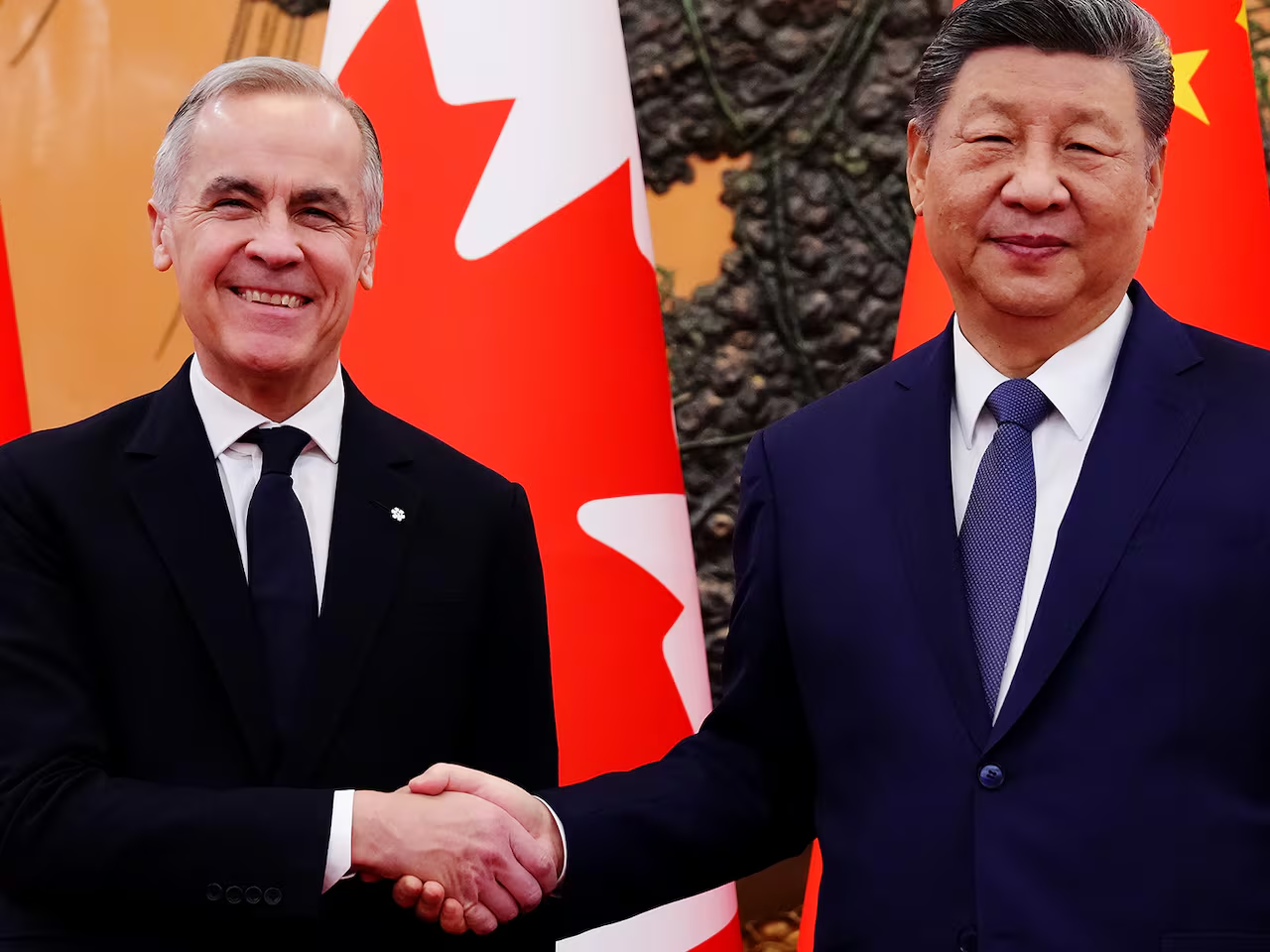
The measures were originally secured during Prime Minister Mark Carney’s visit to Beijing in January 2026 as part of efforts to ease trade tensions and restore commercial relations between the two countries.
The relief took effect in March and was initially scheduled to run only until December 31, 2026.
The latest agreement extends the favourable treatment through December 2028, providing Canadian producers and exporters with greater certainty when accessing one of the world’s largest consumer markets.
International Trade Minister Maninder Sidhu said the extension builds on the progress achieved during Carney’s visit to China.
He said the agreement would support Canada’s ambition to increase exports to China by 50 per cent by 2030, while creating employment opportunities and supporting businesses across the country.
Canada also extends trade concessions to China
The agreement is not limited to Chinese tariff measures on Canadian products.
Canada has also agreed to extend until the end of 2028 its existing remission measures covering certain Chinese steel and aluminium products that are not manufactured in Canada.
The reciprocal arrangement forms part of broader efforts by both governments to manage trade disagreements while maintaining opportunities for commercial cooperation.
The original January agreement followed a period of heightened trade tensions after Canada imposed additional duties on Chinese-made electric vehicles, steel and aluminium.
China subsequently introduced retaliatory tariffs on several Canadian agricultural and seafood products.
As part of the January 2026 understanding, Canada agreed to allow up to 49,000 Chinese electric vehicles into its market annually at a tariff rate of 6.1 per cent, replacing the 100 per cent surtax previously imposed on Chinese electric vehicles.
In return, China agreed to ease trade restrictions affecting selected Canadian exports.
Not all Canadian agricultural products are covered
Although the extension offers relief to several important Canadian export industries, it does not remove all Chinese trade restrictions affecting Canadian agricultural products.
Canadian canola oil and pork are not included in the latest tariff-relief extension and continue to face separate trade barriers.
Canadian pea starch has also faced provisional duties following a Chinese anti-dumping investigation.
This means that while the agreement provides continued access for selected products, outstanding trade issues remain between the two countries.
The distinction is important for Canadian producers because the benefits of the arrangement are concentrated in specific agricultural and seafood sectors rather than the entire Canadian food-export industry.

Ottawa targets wider access to Chinese markets
The extension comes as the Carney government pursues a broader strategy to diversify Canada’s international trade relationships and reduce its dependence on the United States as its principal export destination.
China remains one of Canada’s major trading partners, particularly for agricultural commodities, natural resources and seafood.
By securing more predictable access for selected products, Ottawa hopes Canadian businesses can strengthen their presence in the Chinese market and expand export opportunities.
The government has said it will continue discussions with Beijing to identify additional areas of cooperation and support its target of increasing Canadian exports to China by 50 per cent.
The November agreement also comes ahead of an expected meeting between Prime Minister Carney and Chinese President Xi Jinping at the Asia-Pacific Economic Cooperation summit scheduled for November 18 and 19 in Shenzhen, China.
While the extension represents progress in the management of bilateral trade disputes, the two countries still face unresolved economic and diplomatic differences.
For Canadian farmers and seafood harvesters, however, the immediate outcome is continued access to an important international market for another two years.

