
DRONE STRIKE FORCES SAUDI ARABIA TO HALT KEY OIL PIPELINE AS MIDDLE EAST TENSIONS DEEPEN

By Boakye Stephen, Kumasi, Ghana | Reporting for Ghanaian News Canada | September 13,2026
Saudi Arabia has temporarily shut a major oil pipeline after drones launched from Iraq struck the facility, adding fresh pressure to energy markets already unsettled by the widening Middle East conflict.
The East-West pipeline, stretching about 1,200km, provides Saudi Arabia with an alternative route for exporting crude without relying entirely on the strategically important Strait of Hormuz.
Iraq has acknowledged that the drones originated from Maysan governorate, which borders Iran. The Iraqi government has removed the province’s operations commander from his post and ordered an investigation into the incident.
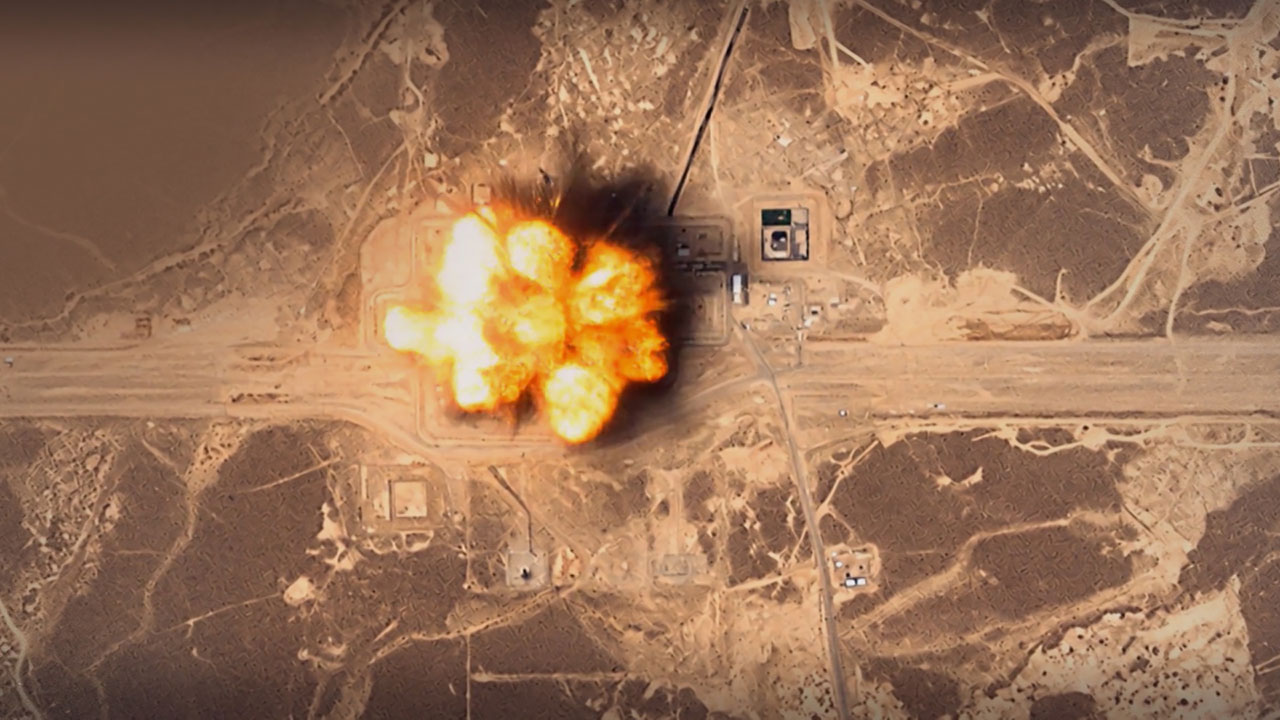
Saudi authorities said the pipeline was closed as a precaution after the attack caused damage and injuries. Satellite imagery reportedly showed scorched areas and smoke around the affected location.
The pipeline has been estimated to carry between 4% and 5% of global oil supplies, making any prolonged disruption potentially significant for international energy markets.
Saudi Arabia has so far decided against retaliatory action, saying it would support Baghdad’s efforts to prevent further attacks from Iraqi territory.
MAIN QUOTE
“The Kingdom of Saudi Arabia affirms that it reserves its right to take all necessary measures to safeguard its sovereignty and security, protect its facilities, and ensure the safety of its citizens and residents.”
The development comes as Iran-backed Houthi forces in Yemen have expanded their control along the country’s Red Sea coastline, including the strategic port city of Mokha. The Houthis have also claimed control of the Bab al-Mandab Strait, although they say Saudi vessels remain excluded from their declaration of safe maritime passage.
Yemeni government forces have responded with attacks on Houthi positions around Mokha, while local reports indicate further air strikes in Taiz and Ibb governorates.
The combined disruptions around the Arabian Peninsula have contributed to crude oil prices rising above $100 a barrel for the first time since July, increasing concerns about inflation and borrowing costs.
COMMENTARY
The significance of the Saudi pipeline attack goes beyond the physical damage. The pipeline exists partly to reduce Saudi Arabia’s exposure to maritime chokepoints, so an attack on this alternative export route demonstrates how vulnerable the region’s wider energy infrastructure can become when conflicts spread across borders.
For global consumers, the immediate concern is whether these disruptions remain temporary or develop into a sustained threat to oil supply and shipping.


