‘Waste Should Create Wealth, Not Death’: US-Based Ghanaian Urges Government to Rethink Ghana’s Waste Management Strategy
Environmental advocate says developed nations are transforming waste into economic opportunity while Ghana continues to battle pollution, flooding and public health crises
By: Ebenezer Adu-Gyamfi / Emmanuel Ayiku for GhanaianNewsCanada | July 3. 2026

A Ghanaian living in the United States has sparked a national conversation on environmental sustainability after criticizing successive governments for failing to transform waste into an economic asset, arguing that poor waste management continues to cost lives instead of creating jobs and wealth.
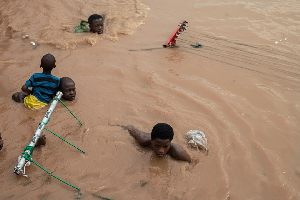
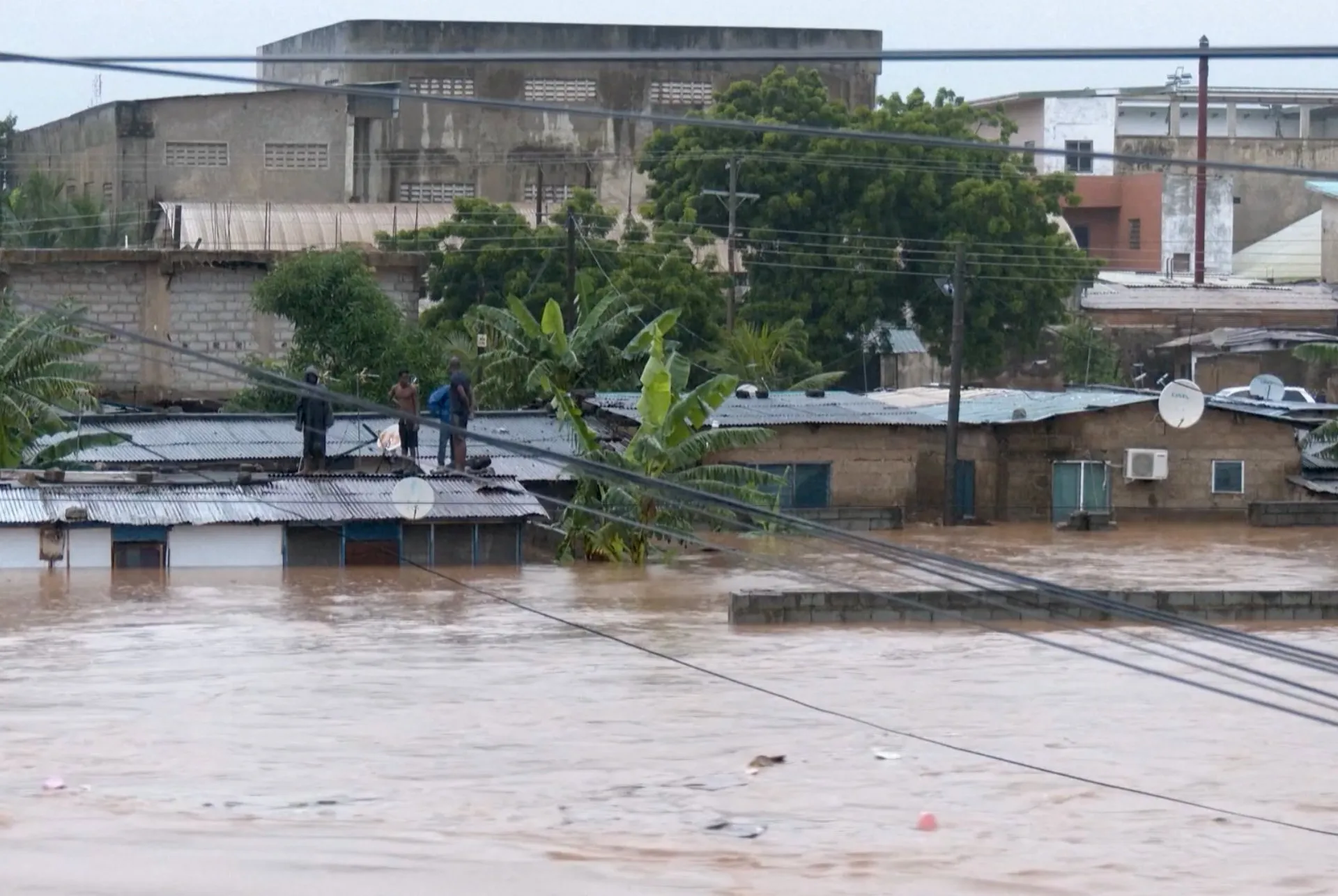
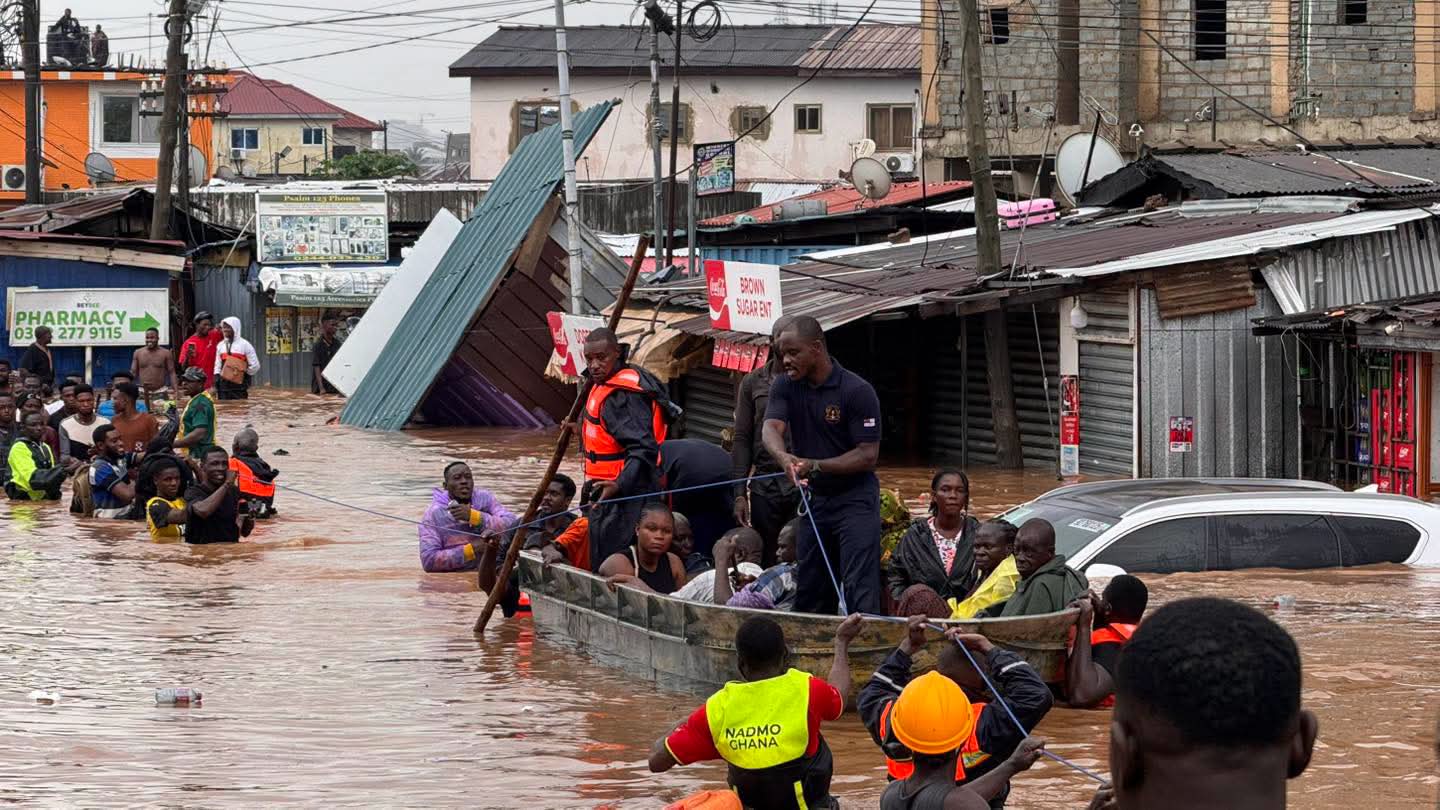
The remarks come at a time when Ghana is once again grappling with severe flooding in parts of Accra and other regions following heavy rainfall, with blocked drainage systems and indiscriminate waste disposal identified as major contributors to recurring disasters.
Speaking on the issue, the U.S.-based Ghanaian questioned why countries in Europe and North America increasingly view waste as a valuable resource capable of generating electricity, fertilizer, employment and revenue, while Ghana continues to struggle with overflowing landfills, polluted waterways and preventable flood-related tragedies.
A Different Approach to Waste
Across many developed countries, waste management has evolved beyond simple collection and disposal.
Modern recycling plants recover plastics, metals, paper and glass for reuse, while organic waste is converted into compost or renewable energy through advanced treatment technologies.
https://x.com/theenewsroom/status/2072606513047167343?s=46
Waste-to-energy facilities also generate electricity by processing non-recyclable materials, reducing the amount of refuse sent to landfills while contributing to national energy supplies.
Environmental experts say these approaches not only improve sanitation but also create thousands of skilled jobs and stimulate investment in the circular economy.
Ghana’s Growing Waste Challenge
In contrast, Ghana’s rapidly expanding urban population continues to produce increasing volumes of waste that outpace existing collection and treatment infrastructure.
Accra alone is estimated to generate approximately 4,400 tonnes of solid waste every day, with a significant portion remaining uncollected or ending up in drains, waterways and illegal dumping sites. Environmental specialists argue that nearly 60 percent of this waste consists of organic material that could instead be converted into fertilizer or bioenergy.
The consequences extend far beyond sanitation.
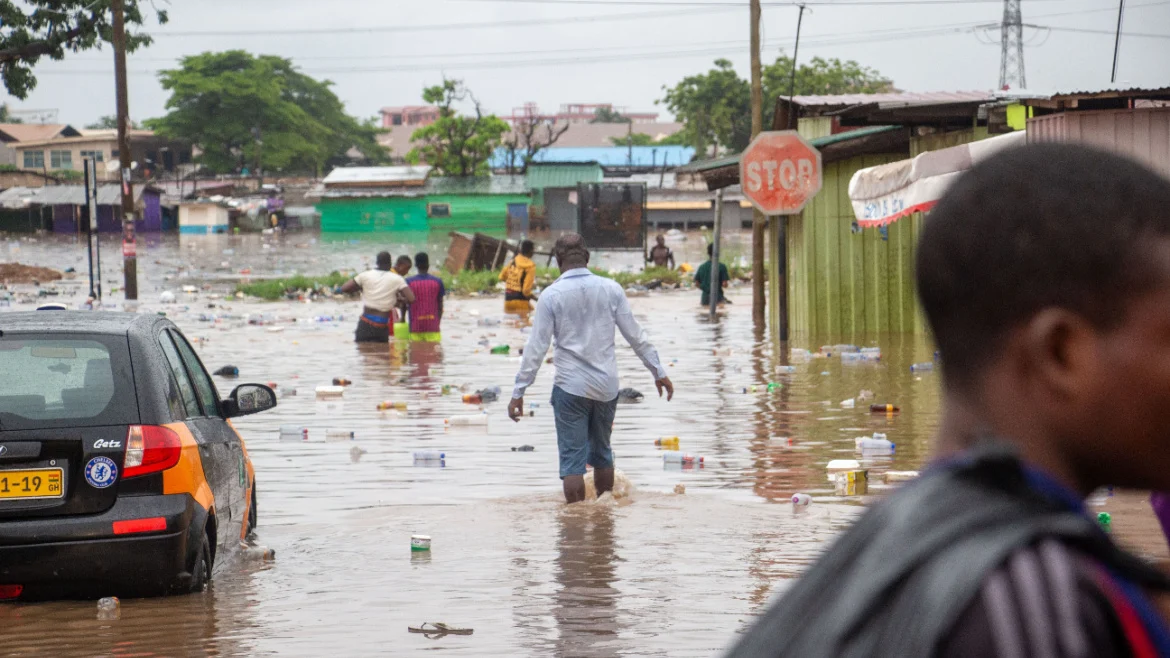
Poor waste disposal has been linked to recurring floods, contamination of rivers and lagoons, disease outbreaks and environmental degradation, particularly during Ghana’s rainy season.
Floods Highlight an Urgent Need
The comments also come against the backdrop of recent flooding incidents that displaced families, damaged infrastructure and disrupted economic activity in several parts of the country.
Experts have repeatedly identified clogged drainage channels filled with plastic waste as one of the major factors worsening urban flooding.
Environmental planners argue that while climate change is increasing the intensity of rainfall, ineffective waste management continues to magnify its impact on vulnerable communities.
From Environmental Burden to Economic Opportunity
Environmental economists believe Ghana possesses enormous untapped potential within its waste sector.
Recycling industries, compost production, plastic recovery, biogas generation and waste-to-energy technologies could collectively create thousands of new jobs while reducing environmental pollution.
Such investments would also support Ghana’s broader climate commitments and contribute to cleaner, healthier cities.
Many analysts argue that treating waste as a resource rather than a liability would not only improve environmental conditions but also strengthen local manufacturing by supplying recycled raw materials.
Calls for Long-Term Policy Action
The debate has renewed calls for stronger public education on waste disposal, stricter enforcement of sanitation laws and greater investment in recycling infrastructure.
Stakeholders are urging authorities to move beyond periodic clean-up campaigns and adopt long-term policies that encourage waste separation at source, private-sector participation and innovation in resource recovery.
Several experts believe the future of Ghana’s sanitation sector depends on building a circular economy where materials are reused, recycled and transformed into new products instead of ending up in drains and landfill sites.
Looking Ahead
As Ghana continues to urbanize, pressure on waste management systems is expected to increase.
For many environmental advocates, the country’s growing sanitation challenges also present an opportunity.
With the right investments, technology and political commitment, waste could become a driver of employment, renewable energy and industrial development rather than a recurring source of environmental disasters.
The message emerging from the latest public debate is straightforward: the question is no longer whether Ghana produces enough waste to support a thriving recycling economy, but whether the country is prepared to harness that potential before more lives, livelihoods and communities are placed at risk.