By Boakye Stephen, Kumasi, Ghana | Reporting for Ghanaian News, Canada
19/03/2026
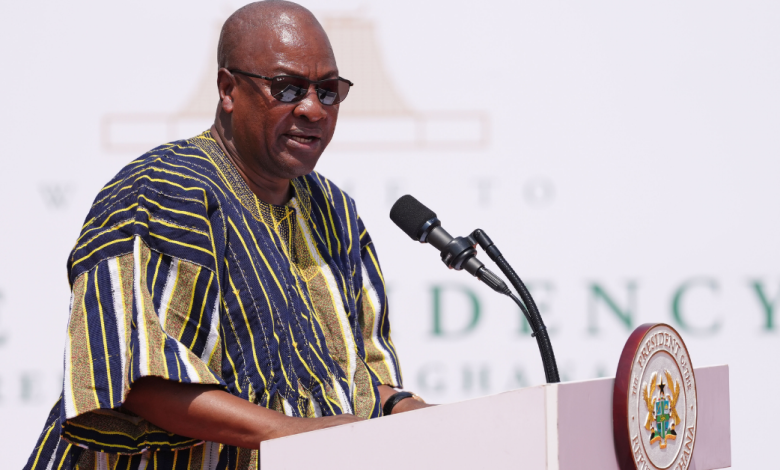
Ghana is preparing to make global history as President John Mahama moves to table a groundbreaking resolution at the United Nations, seeking to formally declare the Transatlantic Slave Trade as the gravest crime against humanity.
According to Ghana’s Ministry of Foreign Affairs, this initiative marks a defining turning point in the long-standing global call for reparatory justice. The resolution, titled “Declaration of the Trafficking of Enslaved Africans and Racialised Chattel Enslavement of Africans as the Gravest Crime Against Humanity,” is expected to be presented on March 25, 2026, coinciding with the International Day of Remembrance of the Victims of Slavery and the Transatlantic Slave Trade.
In a press release issued on March 19, the Ministry stated: “All is set for the historic tabling of a United Nations resolution declaring the Transatlantic Slave Trade as the gravest crime against humanity.” This aligns with President Mahama’s earlier pledge during his address to the UN General Assembly.
Ghana is leading this effort in its role as the African Union’s Champion on Reparations, working closely with CARICOM and people of African descent worldwide. The resolution seeks not only recognition but a deeper acknowledgment of the scale, brutality, and enduring consequences of the slave trade on global systems.
The Ministry emphasized that the transatlantic slave trade represents a “definitive break in world history,” highlighting its systemic nature and the long-term socio-economic inequalities it created, inequalities that continue to shape global financial structures, development gaps, and even climate vulnerabilities.
If adopted, this would be the first comprehensive UN resolution of its kind in the organization’s 80-year history.
In a powerful statement, the Ministry noted that addressing this historical injustice is “not only symbolic but the beginning of a reckoning with the structural inequalities that underpin debt asymmetries, development gaps, climate vulnerability and global financial governance.”
Ahead of the formal tabling, a wreath-laying ceremony will take place at the African Burial Ground in New York on March 24, followed by a High-Level Event on Reparatory Justice at the UN.
The resolution has already received endorsement from the African Union, signaling a unified continental stance. Ghana has also expressed gratitude to key stakeholders, including UNESCO, CARICOM, CELAC, AU legal experts, and global academics, for their collective efforts.
The Ministry is urging all UN member states “to be counted on the right side of history and justice.”
Commentary:
From my observation, this move by Ghana is not just diplomatic, it is deeply philosophical and moral. It challenges the global community to move beyond remembrance into responsibility. For decades, the conversation around slavery has largely been historical, but this resolution attempts to redefine it as a present and active issue with real consequences.
Ghana is strategically repositioning Africa, not as a victim of history, but as a voice of moral authority demanding justice, equity, and truth. If successful, this could reshape global discourse on reparations and force powerful nations to confront uncomfortable historical realities.
This is more than a resolution, it is Africa demanding that history be acknowledged not just in words, but in action.