Strait of Hormuz Blocked as U.S.-Iran Peace Talks Stall
Key global oil route shut amid deep divisions over nuclear programme and maritime control
By Ebenezer Adu-Gyamfi / Emmanuel Ayiku | Reporting for Ghanaian News Canada | April 19, 2026

The strategic Strait of Hormuz has been blocked once again as tensions between the United States and Iran intensify, despite ongoing diplomatic efforts to reach a peace agreement.
The latest development comes as both sides acknowledge some progress in negotiations but admit that major gaps remain unresolved, particularly over Iran’s nuclear programme and control of maritime operations in the region.
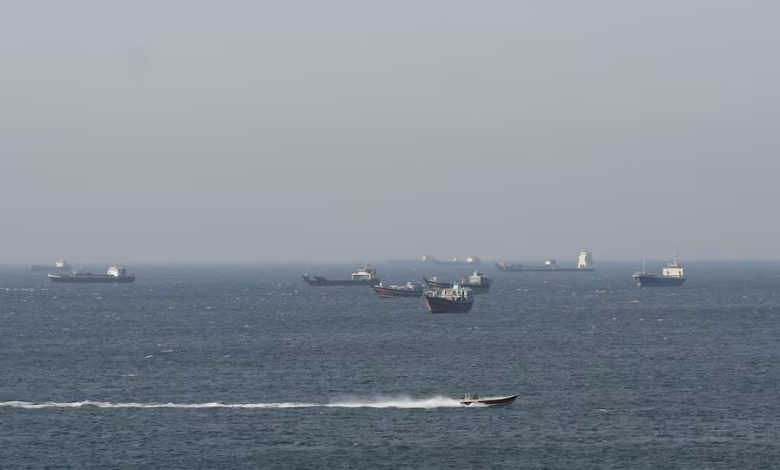
Iran has reasserted control over the vital waterway, halting most commercial shipping and warning that the route will remain closed until the United States lifts its blockade on Iranian ports.
The standoff follows renewed hostilities that began earlier this year, with the conflict escalating after U.S. and Israeli strikes on Iranian targets. A temporary ceasefire had briefly allowed limited movement through the strait, but the situation has since deteriorated.
Reports indicate that attacks on vessels in the area, including oil tankers, have heightened fears among global shipping operators and forced many ships to halt or reroute their journeys.
The Strait of Hormuz is one of the most critical energy corridors in the world, handling roughly 20% of global oil shipments. Its closure has already begun to impact global markets, with oil prices showing volatility and investors reacting cautiously to the uncertainty.
U.S. President Donald Trump described the ongoing talks as “very good conversations,” but warned that failure to reach a long-term agreement could lead to renewed military action.
Iranian officials, however, maintain that negotiations are still far from a breakthrough, emphasizing that fundamental disagreements remain unresolved.
With the current ceasefire nearing expiration, concerns are growing that the region could slide back into full-scale conflict if a deal is not reached in time.
The blockade has left hundreds of vessels stranded and raised serious concerns about global energy supply chains, as well as the broader stability of international trade.
As diplomatic efforts continue, the situation in the Strait of Hormuz remains highly volatile, with global attention fixed on whether negotiations can produce a lasting resolution.