First in Canada: Quebec government bans energy drinks for kids
Landmark public health measure aims to protect young people from excessive caffeine consumption
By Ebenezer Adu-Gyamfi / Emmanuel Ayiku for GhanaianNewsCanada | June 12, 2026

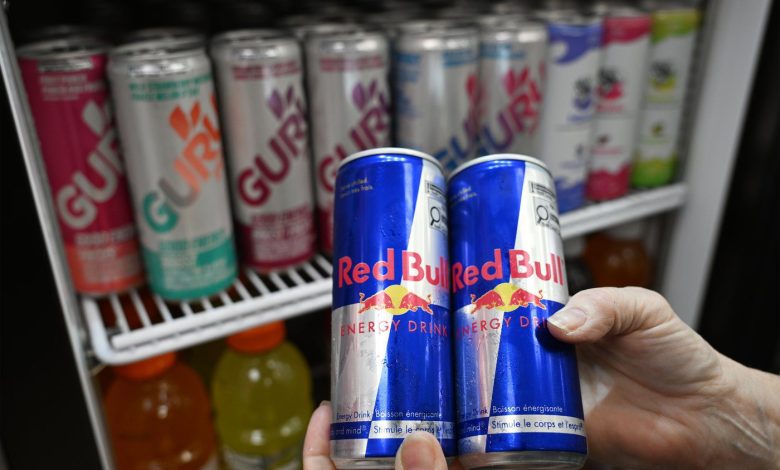
Quebec has become the first province in Canada to ban the sale of energy drinks to children, introducing a landmark public health measure aimed at reducing the health risks associated with high caffeine consumption among young people.
The new regulation prohibits retailers from selling energy drinks to individuals below the age set by provincial authorities, making Quebec the first Canadian jurisdiction to impose province-wide restrictions on youth access to the popular beverages.
Provincial officials say the decision was driven by growing concerns among health experts about the effects of highly caffeinated drinks on children and adolescents. Medical professionals have warned that excessive caffeine intake can contribute to sleep disturbances, anxiety, elevated heart rates, concentration problems, and other health complications in younger consumers.

Announcing the policy, Quebec government representatives said the measure is designed to protect children’s health while encouraging healthier beverage choices. Officials noted that energy drinks often contain caffeine levels significantly higher than those found in traditional soft drinks, sometimes combined with large amounts of sugar and other stimulants.
The decision follows years of advocacy from public health organizations, pediatricians, and educators who have argued that children are particularly vulnerable to the effects of caffeine. Health experts have repeatedly called for stronger regulations, citing studies linking excessive energy drink consumption to adverse health outcomes among youth.
Under the new rules, retailers will be required to verify the age of customers purchasing energy drinks. Businesses that fail to comply with the regulations could face penalties or enforcement actions under provincial consumer protection laws.
Supporters of the ban say it represents a proactive approach to public health and could encourage other provinces to consider similar measures. They argue that restricting access to highly caffeinated beverages is comparable to existing protections aimed at safeguarding children from potentially harmful products.

Not everyone supports the move, however. Some industry groups have questioned whether a ban is necessary, arguing that education and parental guidance should play a larger role in addressing consumption habits among young people.
Despite the debate, health advocates have welcomed Quebec’s decision as a significant step toward protecting children and promoting healthier lifestyles.
The policy also places Quebec among a growing number of jurisdictions around the world that have introduced age-related restrictions on energy drink sales amid rising concerns about youth consumption.
Observers say the impact of the ban will be closely watched by policymakers across Canada, particularly as discussions around children’s health, nutrition, and consumer protection continue to gain momentum.
For now, Quebec’s decision marks a historic first in Canada and could signal the beginning of broader national conversations about how energy drinks are marketed and sold to young consumers.



![travellers. [ PHOTO: Foreign Minister Samuel Okudzeto Ablakwa (centre) with GFA President Kurt Okraku (right) and U.S. Acting Ambassador Rolf Olson during the visa facilitation talks at the U.S. Embassy, Accra, October 2025. Photo Credit: Ministry of Foreign Affairs Ghana / GhanaianNewsCanada ] Photo Credit: Ministry of Foreign Affairs Ghana | GhanaianNewsCanada Sports Desk](http://ghanaiannews.ca/wp-content/uploads/2026/06/IMG_4209-390x220.png)