


Writers: Ebenezer Adu-Gyamfi / Emmanuel Ayiku
GhanaianNewsCanada | March 26, 2026

In March 2026, the world witnessed a historic moment at the United Nations as Ghana led a powerful resolution to officially recognize the transatlantic slave trade as one of the gravest crimes against humanity. The resolution also called for reparations—meaning compensation or corrective measures—for the lasting damage caused by slavery.
The proposal received massive global support. A total of 123 countries voted in favor, showing strong backing from African nations, Caribbean states, and many others. However, not everyone agreed. The United States, Israel, and Argentina voted against the resolution, while several European countries chose to abstain.
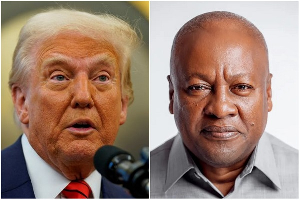
This decision by the United States has sparked global debate, especially among Africans and people of African descent. Many are asking: Why would the U.S. oppose such a historic recognition of slavery?
Understanding the U.S. Position
The United States did not deny that slavery was wrong. In fact, it acknowledged that slavery was morally unacceptable. However, its opposition was based on legal and political concerns, not moral disagreement.
One major reason given was that the resolution could imply a legal right to reparations for historical events that were not considered illegal under international law at the time they happened.
In simple terms, the U.S. is arguing that:
- You cannot apply today’s laws to actions that happened centuries ago.
- Doing so could create complex legal consequences for modern nations.
Another concern raised was about creating a “hierarchy of human suffering.” The U.S. and some European countries argued that labeling slavery as the “gravest crime” might suggest that other historical tragedies are less important.
Additionally, U.S. officials criticized what they described as the use of historical injustices to push for modern financial compensation or redistribution of resources.
Ghana’s Perspective and Global Support
Ghana, led by President John Mahama, strongly defended the resolution. The country emphasized that this move is not about blaming current generations but about acknowledging the truth and addressing its long-term consequences.
Supporters of the resolution argue that slavery:
- Lasted for over 400 years
- Affected millions of Africans
- Created lasting economic and racial inequalities that still exist today
The resolution also calls for:
- Dialogue on reparations
- Return of stolen cultural artifacts
- Economic and social support for affected communities
Although the resolution is not legally binding, it carries strong political and moral weight. It pushes the global community to confront history and consider ways to repair the damage done.
What This Means Going Forward
This vote highlights a deep divide in how countries view history and justice. While many nations believe it is time to address the legacy of slavery directly, others are cautious about the legal and financial implications.
For Ghana and its supporters, this is a major victory in the fight for recognition and justice. It shifts the global conversation from simply acknowledging slavery to actively discussing solutions.
For the United States and others who opposed it, the focus remains on avoiding legal complications and ensuring that historical accountability does not create unintended consequences in modern international law.
Conclusion
The debate over Ghana’s resolution is more than just politics—it is about history, justice, and the future. While the resolution has passed, the conversation is far from over.
One thing is clear: the world is now paying closer attention to the lasting impact of slavery, and the call for justice is growing louder.