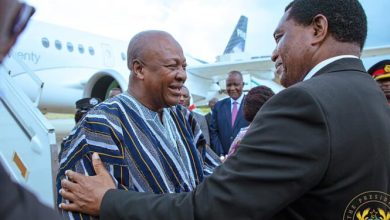


By Boakye Stephen (Researcher) for GhanaianNewsCanada 9/2/2026
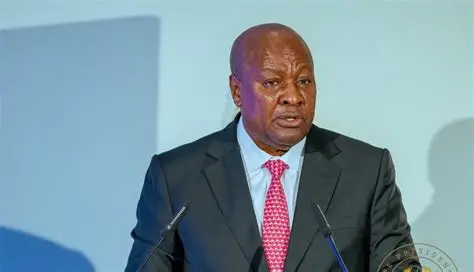
“Let me ask you a question, not as President, but as a student of history. Have you ever wondered why the story of Ghana never included the story of the Diaspora? When telling the story of Ghana, many are inclined to begin in 1821, with the formation of the British-ruled Gold Coast Colony.
But that’s inaccurate, because the collective story of our people, the many ethnic groups that populate this country, Ghana, predates the existence of any colony on this African continent. Similarly, when speaking of the transatlantic slave trade, specifically the atrocities that took place on this soil, many are inclined to end our story on the shores of this nation, where our ancestors, and I do mean that word literally, because they were our blood and bone that were forced onto ships and transported across the Atlantic.
But why do these events that follow cease to be part of Ghana’s story also? Between the 16th and 19th centuries, nearly 13 million African men, women, and children were captured and transported on ships through the Middle Passage. Over two million of them died.
Ghana contains more slave forts and castles than any other nation on the African continent and that is why we are gathered here today at this diaspora summit. To begin the process of reclamation in earnest. To begin the process of writing our own story and moving full steam ahead.
Our brothers and sisters from our 17th region, the African diaspora. I say a very warm welcome to you. Welcome home. This is your home.
We must be more intentional about our unity than those who oppressed us were about our division.
Ghana’s first president, Dr. Kwame Nkrumah, said, “I’m not African because I was born in Africa, but because Africa was born in me”.
We suffered decades of brain drain… surviving on remittances from those in the diaspora
When it comes to reparative justice, we ask what is just. This is precisely the time when we must advance and begin the process of reclamation.
Ghana will move a motion to recognize the transatlantic slave trade as one of the greatest crimes against humanity. Reparations must include tangible measures such as debt cancellation, return of stolen artifacts, institutional reform and economic redress.
The future is African With a united Africa and diaspora; there is nothing we cannot achieve.
And thank you. I wish you fruitful deliberations. It is my honor and privilege to declare the Diaspora Summit 2025 duly opened. Thank you.”
Ghana-Canada News Commentary
President Mahama’s Diaspora Summit 2025 address stands as one of the most comprehensive modern calls for reconnection between Africa and its global descendants. Framing the diaspora as Ghana’s “17th region,” the speech situates history, identity, economics, and justice within one shared narrative.
- A Shared Historical Narrative
Mahama’s central argument is that the African diaspora is not separate from Ghana’s story but a continuation of it. By highlighting slave forts, migration patterns, and cultural continuity across continents, he positioned the diaspora as an inseparable part of Ghana’s national memory and future.
This echoes Pan-African philosophy long championed by Kwame Nkrumah, who envisioned a global African community united by history and destiny.
- Cultural Continuity Across Continents
The speech emphasized how African culture survived through:
Language (Yoruba, Akan influences in the Americas)
Food (okra, waakye-like dishes across the diaspora)
Folklore (Ananse stories worldwide)
Music and rhythm
These elements, Mahama argued, kept Africa alive in diaspora communities even during centuries of displacement.
- From Remittances to Partnership
Mahama acknowledged the historic role of diaspora remittances but called for a shift toward:
Investment
Knowledge transfer
Institutional partnerships
Cultural and educational exchange
For Ghanaian and African communities in Canada, this message aligns with ongoing discussions about diaspora entrepreneurship, academic collaboration, and heritage tourism.
- Reparative Justice and Global Advocacy
A major portion of the speech addressed reparative justice. Mahama called for:
Recognition of the transatlantic slave trade as a major crime against humanity
Return of stolen artifacts
Debt cancellation
Institutional reform
Economic redress
He framed these not only as historical demands but as necessary steps toward psychological and economic healing.
- The Diaspora as Co-Architects of the Future
Perhaps the most resonant line for diaspora audiences was his declaration:
“The future is African.”
Mahama emphasized that unity between Africa and its diaspora could transform global perceptions and realities for people of African descent.
Ghana-Canada Perspective
For diaspora communities in Canada, the speech reinforces:
Calls to reconnect with African heritage
Opportunities for investment and collaboration
Cultural diplomacy and identity building
Youth engagement with African history and development
Community leaders in Toronto, Ottawa, and Montreal have increasingly echoed similar sentiments, seeing the diaspora not only as beneficiaries of heritage but as active partners in Africa’s future.
Conclusion
President Mahama’s Diaspora Summit 2025 speech blends history, memory, and forward-looking policy into a single Pan-African vision. By inviting the diaspora to see Ghana as home and partner, the address continues a long tradition of African leaders calling for global unity among people of African descent.
READ NEXT:
Diaspora Return to Ghana: Why Some Succeed, Why Others Struggle
By Boakye Stephen (Researcher)
A closer look at the opportunities, challenges, and realities facing African diaspora returnees.
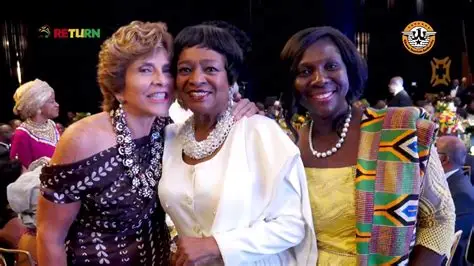
Ghana has emerged as one of Africa’s most welcoming destinations for members of the African diaspora seeking reconnection, investment opportunities, and long-term settlement. Through cultural initiatives, investment incentives, and pathways to citizenship, the country has positioned itself as a symbolic and practical home for Africans abroad.
However, the lived experiences of returnees reveal a more complex reality. While some diaspora members successfully build businesses and integrate into local communities, others struggle to adapt and ultimately leave within a few years. This feature explores the factors behind both outcomes, drawing on widely discussed diaspora experiences and policy perspectives.
Why Some Diaspora Businesses Struggle
Many returnees arrive in Ghana with strong enthusiasm, skills, and capital, yet encounter unexpected barriers when launching businesses. Common challenges include navigating regulatory systems, managing high startup and operational costs, and understanding local consumer behavior.
Building trusted local networks also proves difficult for some, particularly for those unfamiliar with informal business practices and relationship-based transactions. Importation delays and logistics hurdles further complicate operations, especially for businesses dependent on international supply chains.
These experiences suggest that financial resources alone are rarely enough. Long-term success often requires patience, local partnerships, and a willingness to adapt business models to Ghana’s unique market conditions.
Why Some Choose to Stay and Succeed
Despite these challenges, many diaspora returnees establish sustainable ventures and fulfilling lives in Ghana. A recurring factor among successful returnees is intentional integration—taking time to understand cultural norms, business etiquette, and community dynamics.
Those who thrive often prioritize relationship-building over rapid expansion, maintain realistic expectations, and view their return as a long-term commitment rather than a short-term experiment. This approach allows them to learn from setbacks and gradually align their goals with local realities.
Creative Industries as a Gateway
Diaspora entrepreneurship has been particularly visible in Ghana’s creative and lifestyle sectors. Fashion, beauty, wellness, food, and cultural branding have become popular entry points, especially for women entrepreneurs.
Many of these ventures blend global exposure with Ghanaian identity, appealing to both local and international markets. This fusion of creativity and culture has enabled smaller businesses to grow organically while maintaining strong community connections.
Citizenship and Long-Term Settlement
For some returnees, settling in Ghana involves pursuing citizenship or permanent residency. While the process can be rewarding, it often requires navigating complex documentation, legal frameworks, and cultural adjustments.
Those who approach settlement with preparation and flexibility tend to adapt more successfully, viewing bureaucracy and lifestyle differences as part of the transition rather than insurmountable obstacles.
Why Some Leave After a Few Years
Not all return experiences lead to permanence. Some diaspora members choose to leave Ghana after a relatively short stay, citing cost-of-living pressures, infrastructure challenges, business frustrations, and difficulties adjusting culturally.
These departures often stem from mismatched expectations—where the reality of daily life and business operations differs significantly from initial perceptions. The experiences highlight the importance of research, preparation, and adaptability before relocating.
What Policy Can Do Better
Policy discussions consistently point to the potential of diaspora engagement as a driver of national development. To fully harness this potential, experts often recommend simplifying investment processes, creating structured support systems for diaspora entrepreneurs, and strengthening collaboration between government institutions and diaspora communities.
Encouraging skills transfer, mentorship, and long-term partnerships can help transform diaspora interest into sustainable impact.
Key Takeaways
Across different experiences, several patterns stand out:
Success is often linked to:
-
Strong local partnerships
-
Cultural understanding
-
Long-term commitment
-
Gradual and realistic investment strategies
Challenges frequently arise from:
-
Unrealistic expectations
-
Limited local networks
-
Bureaucratic complexity
-
Cost-of-living adjustments
Conclusion
Ghana continues to hold strong appeal for diaspora return and investment, offering cultural belonging and economic opportunity. Yet the experiences of returnees show that success is not automatic.
For diaspora communities in Canada and beyond, Ghana presents real potential—but the most successful transitions occur when ambition is matched with preparation, patience, and a deep understanding of local realities.