


U.S.–Iran Conflict Disrupts Thousands of Flights as Global Travel Chaos Deepens
Major Middle East airspace closures leave international passengers stranded and airline networks in disarray
By: Ebenezer Adu-Gyamfi / Emmanuel Ayiku for GhanaianNewsCanada

Global air travel was thrown into turmoil as the conflict between the United States, Israel and Iran triggered widespread cancellations and forced major carriers to reroute or suspend flights, heightening chaos at airports around the world.
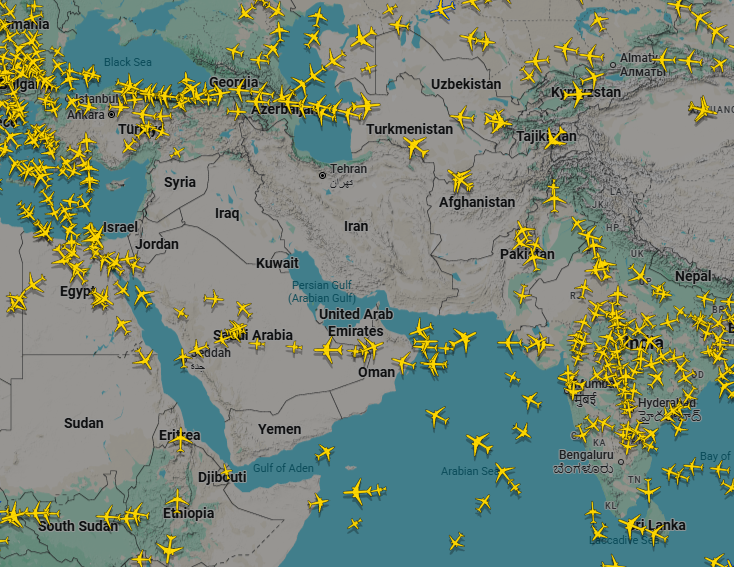
The sharp disruption follows a series of military strikes and retaliatory actions in the Middle East that have led key nations to close or severely restrict their airspace — including Iran, Iraq, Kuwait, Israel, Bahrain, the United Arab Emirates and Qatar, according to flight tracking services and aviation authorities.
Major Hubs Shut Down
Dubai International Airport — the world’s busiest international travel hub — along with other major Gulf carriers’ home bases such as Abu Dhabi and Doha, have seen operations halted or dramatically reduced as airstrikes and missile activity raised safety concerns.
The closure of these hubs has had a cascading impact on flights spanning continents, funneling disruptions into Europe, Asia, Africa and the Americas. With routes through Middle Eastern airspace typically serving as critical east-west transit links, thousands of itineraries have been cancelled or significantly delayed.
Passengers Stranded Worldwide
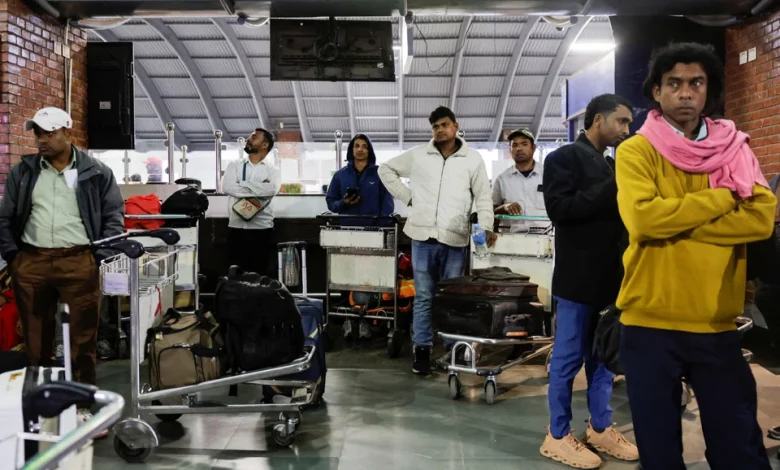
Long queues of stranded travelers have been reported at airports as far afield as Bali, Kathmandu and Dhaka, with passengers waiting for updates or trying to rebook flights amid widespread cancellations. Departure boards in several international terminals were dominated by “Cancelled” notices.
Analysts say a major challenge now is that aircraft and crews are “out of position,” meaning that even once airspace restrictions ease, recovery of normal schedules could take days or longer due to the complexity of repositioning planes and staff.
Airlines Respond
A broad range of global airlines have taken action to avoid conflict zones, suspend operations or reroute flights around closed Middle Eastern airspace. These include major carriers from Europe, Asia, and the Middle East, resulting in lengthened flight times, missed connections, and increased fuel costs.
Even direct flights to or from Canada have been affected, with some carriers cancelling routes through the region and urging passengers to check flight statuses as delays ripple across schedules.
A Wider Aviation Shock
Experts describe the disruptions as among the most severe for global aviation in recent years, rivaling the impacts seen during health emergencies or major geopolitical crises. With alternative overflight routes also constrained — some already restricted due to other global conflicts — the overall effect on connectivity and airline planning is substantial.
Ian Petchenik, communications director at Flightradar24, noted that losing access to key Middle East air routes compresses traffic into narrower corridors and increases risk, potentially prolonging the disruption if conflict conditions persist.
What Travelers Should Know
Passengers with flights scheduled through affected hubs are being advised to:
-
Monitor airline notifications closely for real-time changes.
-
Expect cancellations or rebooking options as carriers adjust schedules.
-
Prepare for longer journey times or alternate routes when travel resumes.
While airlines are working to assist stranded travelers, many warn that the scope of disruption means relief and full return to normal schedules could be gradual and uneven across different regions.