


By: Ebenezer Adu-Gyamfi / Emmanuel Ayiku for GhanaianNewsCanada | July 9, 2026
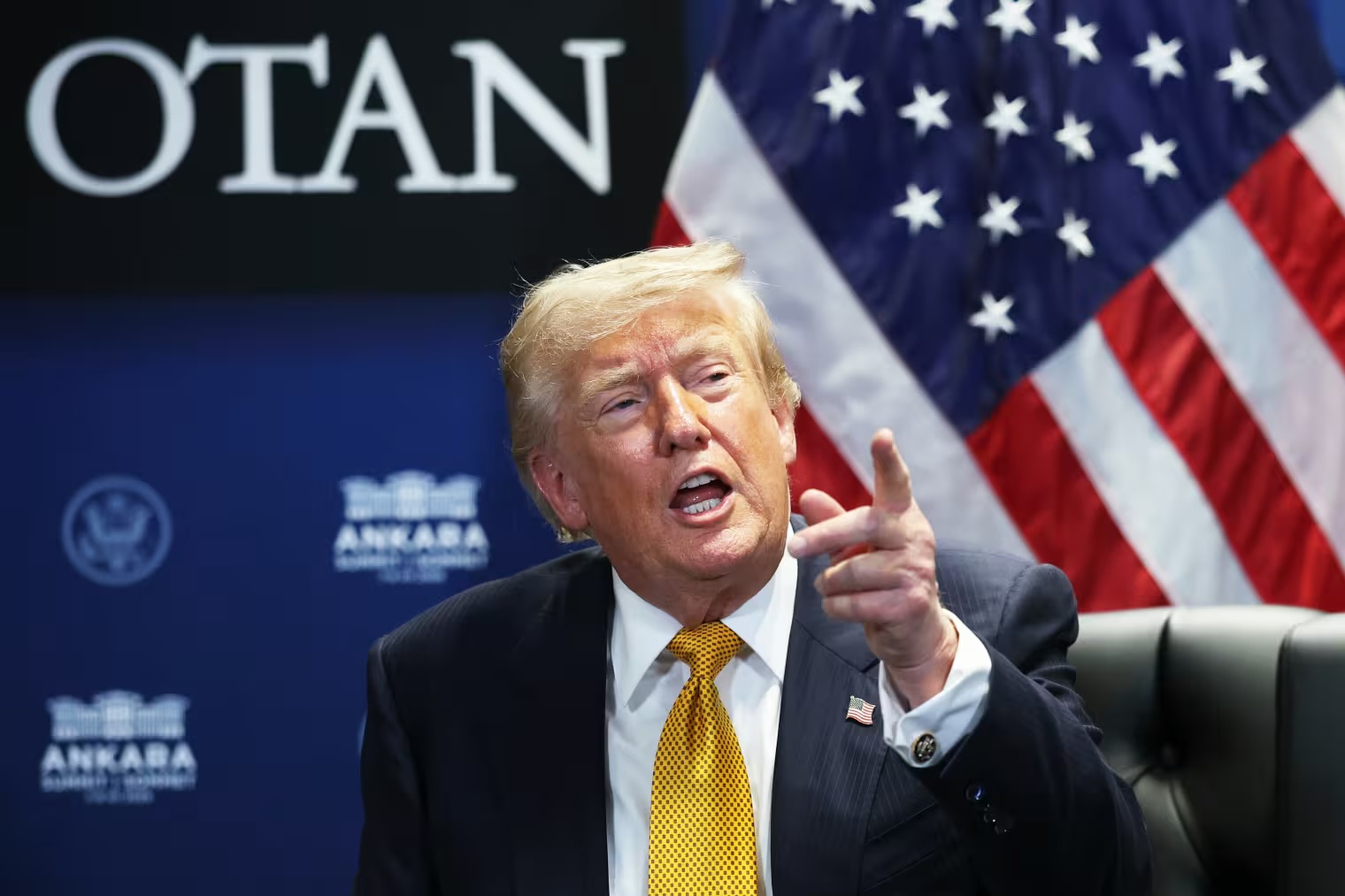
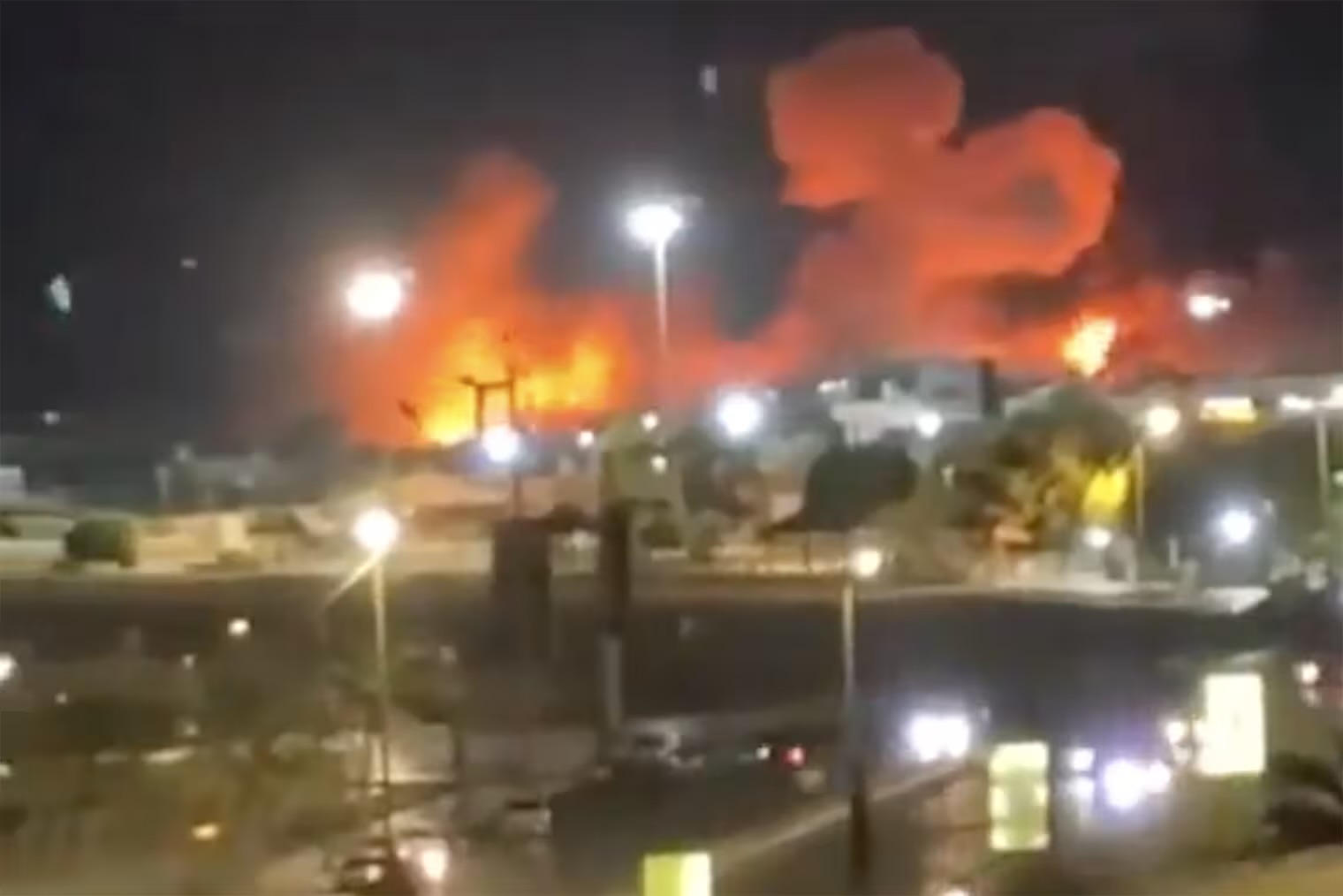
The fragile ceasefire between the United States and Iran has collapsed, with U.S. President Donald Trump ordering a fresh wave of military strikes against Iranian targets after accusing Tehran of violating the truce through attacks on commercial shipping in the Strait of Hormuz.
The renewed military action marks one of the most serious escalations in the months-long confrontation, raising fears that diplomatic efforts to stabilize the Middle East may have unraveled.
According to U.S. officials, the strikes targeted Iranian military infrastructure linked to missile, drone and maritime operations. Washington said the action was intended to reduce Iran’s ability to threaten international shipping through the Strait of Hormuz, one of the world’s most strategically important energy corridors.
President Trump declared that recent Iranian attacks on vessels transiting the waterway effectively ended the ceasefire agreement reached earlier this year.
While indicating that negotiations could theoretically continue, Trump also warned that the United States was prepared to intensify military operations if Iran continued its attacks, creating uncertainty over whether diplomacy can still prevent a wider regional conflict.
Iran Vows Response
Iran has strongly condemned the American strikes, accusing Washington of violating previous understandings and warning that it reserves the right to respond.
Tehran maintains that control and security arrangements in the Strait of Hormuz remain central to its national interests and has repeatedly argued that foreign military actions in the region threaten stability rather than preserve it.
Global Energy Markets on Edge
The renewed confrontation has once again drawn attention to the Strait of Hormuz, through which a significant share of the world’s oil and liquefied natural gas exports passes.
Analysts warn that any prolonged disruption could push global energy prices higher, increasing transportation costs and adding fresh inflationary pressures for economies already grappling with elevated living costs.
Financial markets have also reacted cautiously as investors monitor whether the conflict will spread beyond the Gulf region.
International Calls for Restraint
The latest escalation has prompted renewed calls from regional and international actors for both sides to return to negotiations before the crisis spirals into a broader conflict.
Diplomatic efforts involving several Middle Eastern countries are reportedly continuing behind the scenes, although prospects for restoring the ceasefire now appear increasingly uncertain.
A Conflict With Global Consequences
The renewed hostilities underscore the fragile nature of security in the Middle East and the global implications of instability in the Gulf. Beyond the immediate military confrontation, the crisis has implications for international trade, energy security and the global economy.
For countries like Ghana and Canada, where consumers remain sensitive to fluctuations in fuel prices and inflation, developments in the Strait of Hormuz are likely to be closely watched in the weeks ahead as world leaders seek to prevent the conflict from escalating further.
