


Traditional Fugu Outfit Sparks Lively Ghana–Zambia Debate Online
President Mahama’s choice of cultural attire leads to spirited exchanges and renewed attention on African identity
By: Ebenezer Adu-Gyamfi / Emmanuel Ayiku for GhanaianNewsCanada 7/2/2026
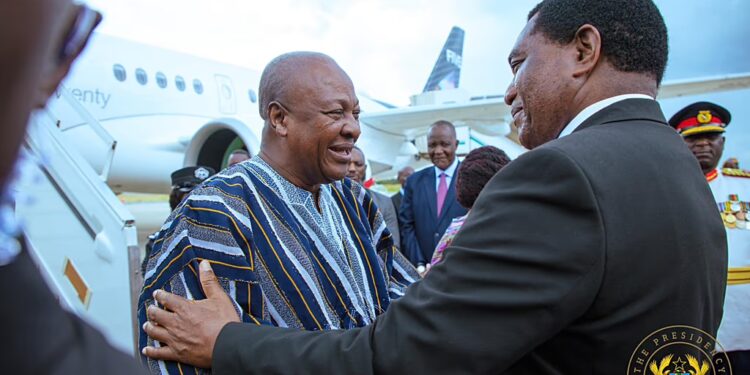
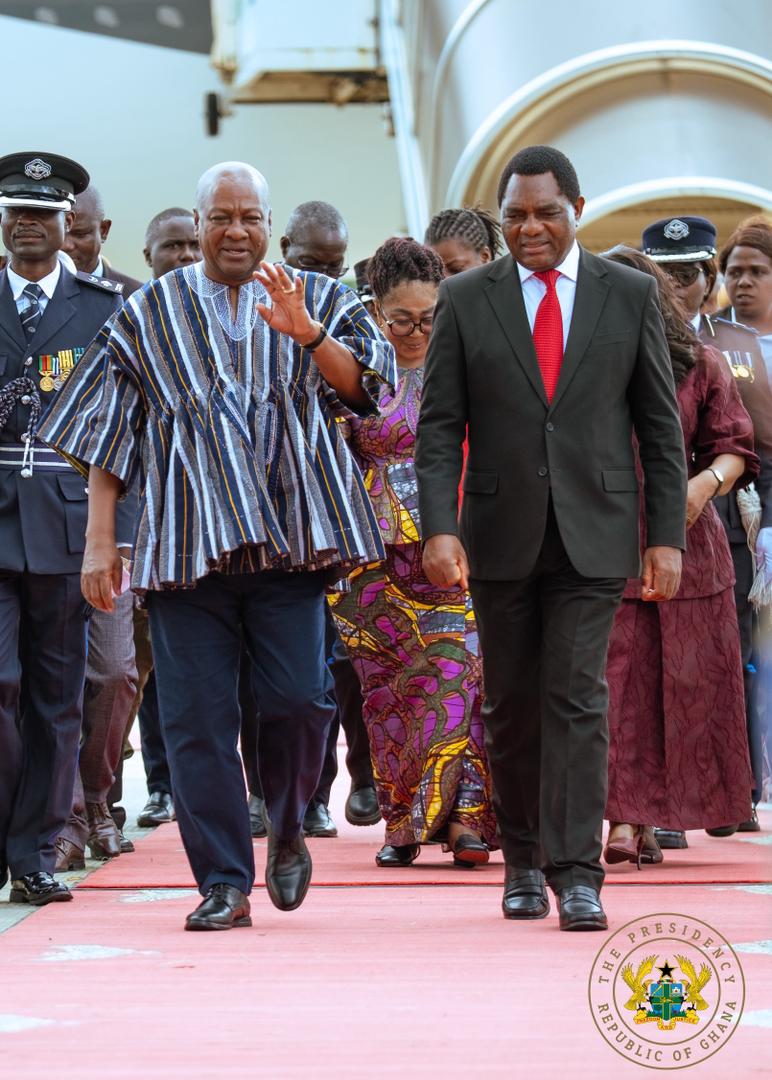
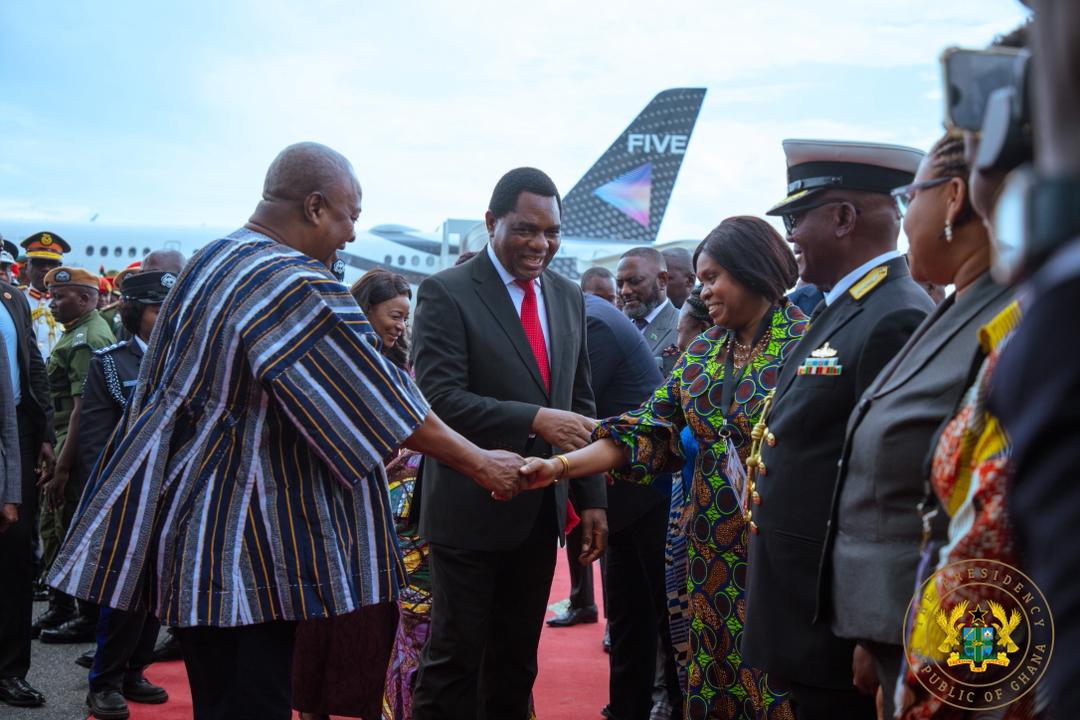
A moment of cultural diplomacy during President John Dramani Mahama’s state visit to Zambia has triggered an energetic online conversation between people from both countries, highlighting how traditional dress can become a focal point for discussions about heritage, identity and mutual respect.
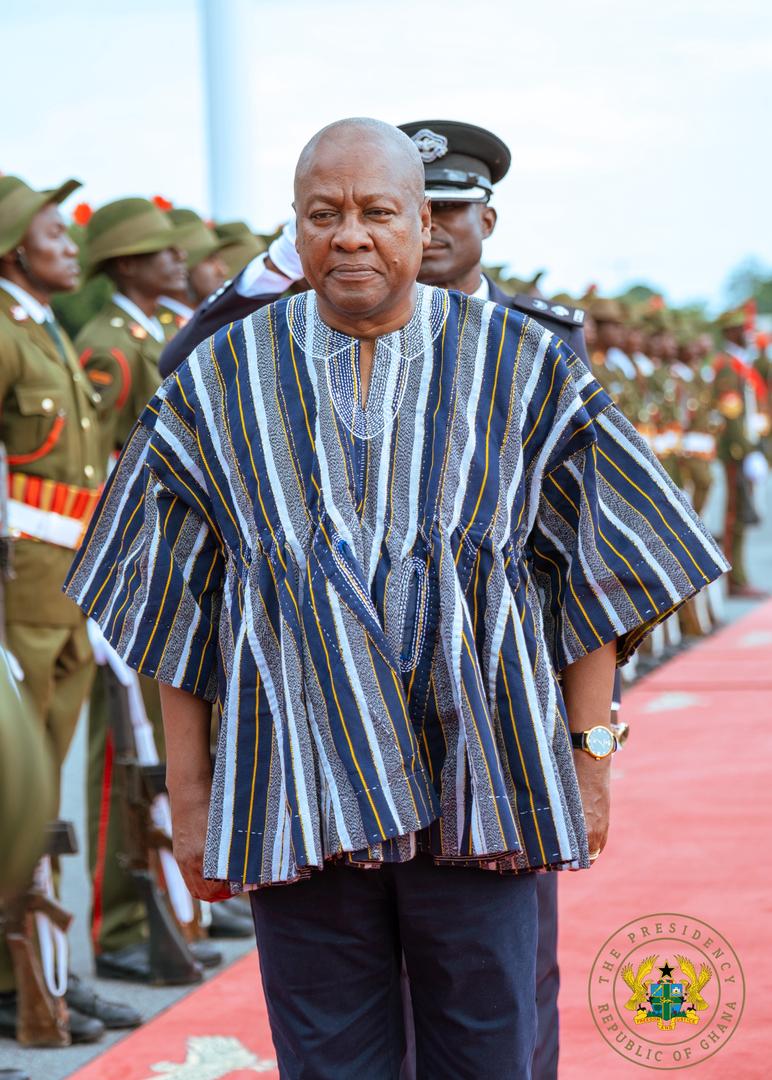
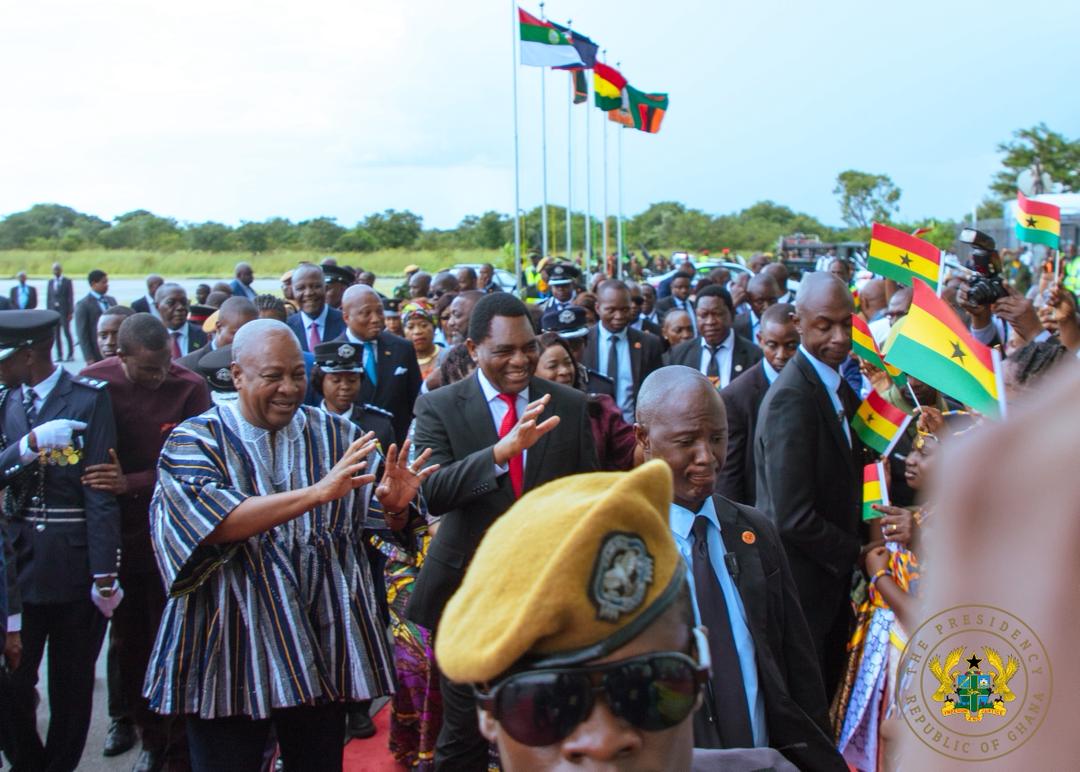
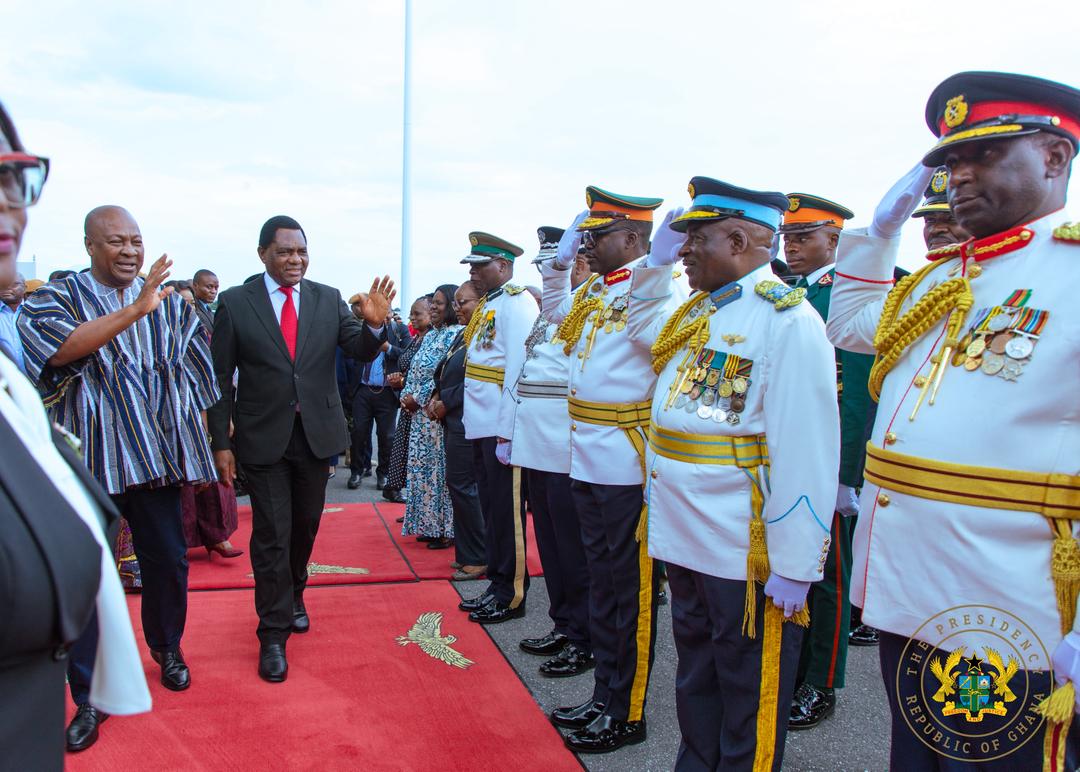
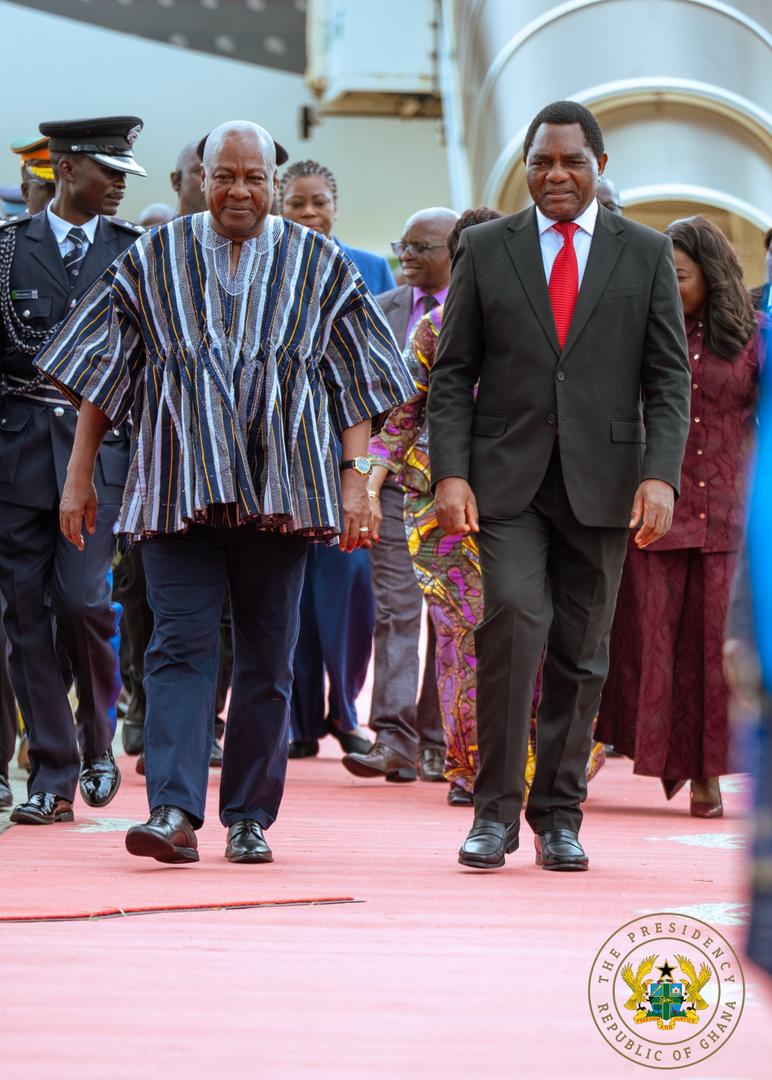
During the three-day diplomatic visit aimed at strengthening relations between Ghana and Zambia, President Mahama chose to wear a traditional fugu, a hand-woven smock long associated with northern Ghanaian heritage and symbolic of pride and identity. While many observers saw this as a bold embrace of African cultural expression, the outfit unexpectedly became the Centre of animated debate on social media.
Social Media Reactions Turn Cultural Moment Into Conversation
Some online commentators in Zambia reacted to the attire with light-hearted comparisons to more familiar garments, prompting playful remarks and cultural misunderstandings. These early comments quickly spread across social platforms, drawing responses from users in both countries.
In Ghana, the social media buzz sparked strong reactions in defence of the fugu’s significance. Many Ghanaians used the moment to educate followers about the cultural and historical meaning of the garment, noting its role not only in everyday life but also in national celebrations and identity affirmations. In response, numerous Ghanaians shared photos of themselves wearing the smock in solidarity with their president, turning fashion into a statement of unity and heritage pride.
High-Profile Responses and Cultural Messaging
Prominent voices from Ghana’s cultural and political circles weighed in, emphasizing the deeper roots of the traditional smock and challenging the narrow focus on surface comparisons. They pointed out that attire like the fugu often carries layered meanings tied to history, leadership and resistance against colonial norms, and frames dress as a form of cultural assertion rather than mere fashion choice.
In Lusaka, the incident took a friendly turn when Zambia’s leadership acknowledged the conversation with good humor and appreciation, signaling openness to cultural exchange. This shift helped move the focus from online banter toward mutual respect and curiosity about regional traditions.
A Boost for Artisan Craft and Local Industry
Beyond cultural discussion, the viral attention has already had economic ripple effects. The visibility of Ghana’s traditional smock has drawn increased interest in locally made textile products and could inspire opportunities for artisans, weavers and designers whose work celebrates indigenous craftsmanship. Conversations about the garment have sparked curiosity about its construction, meaning and relevance in modern African life.
Some enthusiasts have even begun exploring ways to expand interest beyond borders, viewing the moment as an organic form of cultural branding that highlights the diversity and creativity of African dress traditions.
Broader Reflection on Culture and Identity
What began as a casual choice of attire at a diplomatic engagement has grown into a broader conversation about culture, mutual understanding and identity across African societies. The lively exchange reflects how traditional symbols can resonate in unexpected ways, inviting both humor and deeper reflection as people navigate shared histories and contemporary relationships.


