


By Boakye Stephen | Kumasi, Ghana | Reporting for Ghanaian News, Canada
At least 66 people have died in Kenya following a week of heavy rainfall and widespread flooding, authorities have confirmed. The death toll rose after four more fatalities were reported, bringing the total number of casualties in the past week to 66.
The capital city, Nairobi, experienced further heavy rainfall overnight, though no new deaths were reported there. The Kenya Red Cross reported that 11 people were rescued after a minibus taxi, locally known as a matatu, became trapped in rising waters, while two children were saved from a flooded home.
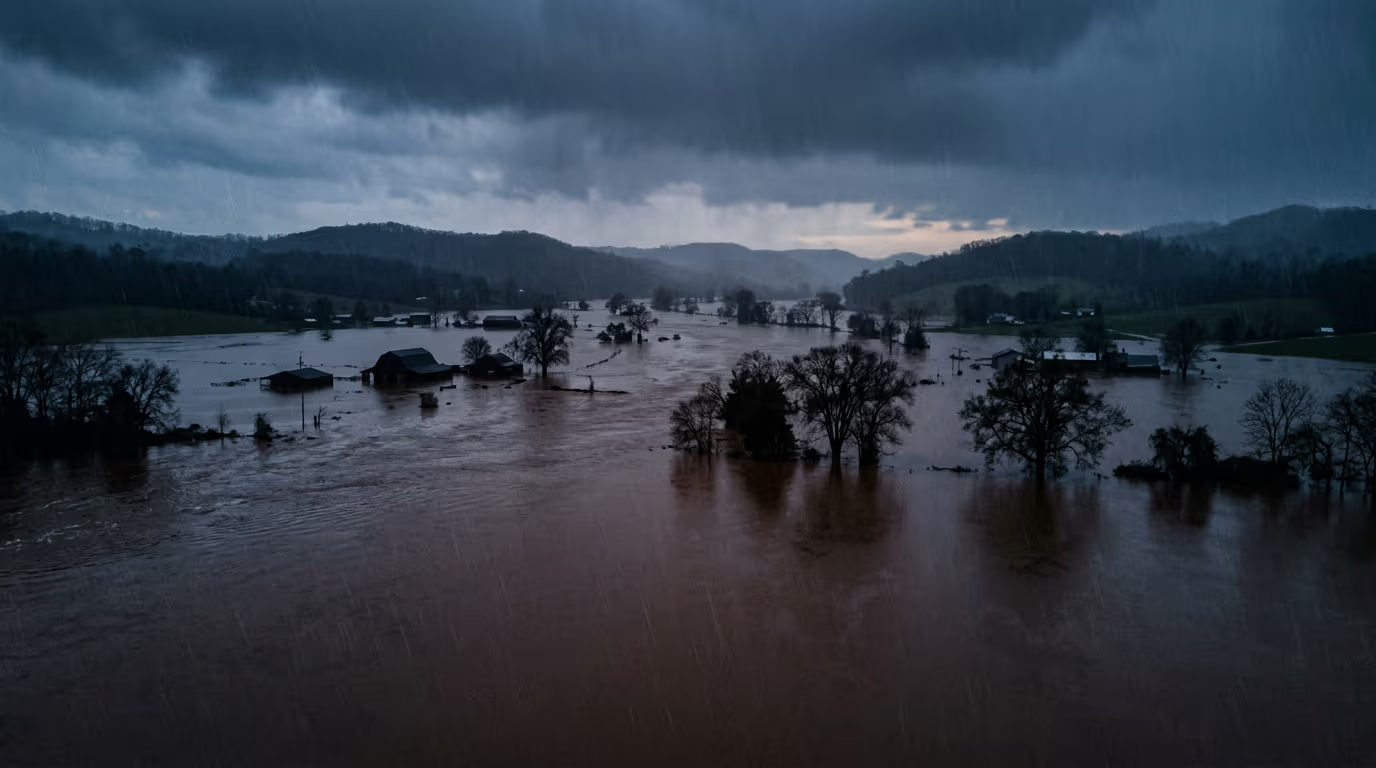
Heavy rains over the past week have triggered flash floods, caused rivers to overflow, damaged homes, roads, power lines, and water systems, and forced closures of some roads and schools.
The Interior Ministry warned that more heavy rains are expected, increasing the risk of further flooding. Over 2,000 people have been displaced and moved to temporary shelters in safer areas. Authorities continue search-and-rescue operations in affected regions.
Half of the deaths, 33 people, occurred in Nairobi, where poor drainage systems and unregulated construction blocking rivers worsened the flooding. Residents in affected areas expressed frustration over slow government response. Businessman Kareem Hassan Ali said water reached about 2 metres (6.5 ft) outside his apartment, while auditor Deenesh Patel highlighted the lack of proper drainage in some neighborhoods compared to others.
President William Ruto stated that authorities are working to clear blocked drainage systems and are providing emergency food supplies and medical assistance to those affected. However, some residents reported that they had to clear debris themselves, highlighting gaps in local infrastructure management.
The flooding crisis extends beyond Kenya. Over 100 people have died in neighbouring Ethiopia due to floods and landslides in southern regions, demonstrating a regional climate risk.
Experts warn that while multiple factors contribute to flooding, climate change intensifies extreme rainfall events, with the world’s temperature already having risen by 1.1°C since the pre-industrial era. Without aggressive global action to reduce emissions, experts predict worsening extreme weather events across Africa and the world.
Commentary | By Boakye Stephen
The recent floods in Kenya expose the vulnerability of urban and rural communities to extreme weather events, particularly where infrastructure is inadequate. Poor drainage, blocked waterways, and unplanned construction in urban centers like Nairobi significantly exacerbate the impact of heavy rains.
The human toll, loss of lives, displacement, and property damage, highlights the urgent need for proactive urban planning, climate adaptation measures, and emergency response systems.
Local authorities must prioritize upgrading drainage networks, enforcing construction regulations, and improving early warning systems to prevent such tragedies in future rainfall events.
At the same time, this crisis is a stark reminder of the real-world consequences of climate change, particularly in regions where infrastructure and resources are limited. Without both national preparedness and international cooperation to reduce emissions, flooding disasters like these are likely to become more frequent and devastating.
The Kenya floods should serve as a wake-up call for governments across Africa to invest in resilient infrastructure, enforce environmental regulations, and strengthen disaster management capabilities to safeguard lives and livelihoods.
