

Reserve Bank Boss Warns War in Middle East Could Hurt Inflation and Global Economy
Central banker says geopolitical conflict adds uncertainty and may push prices up, prompting cautious watch on interest rates
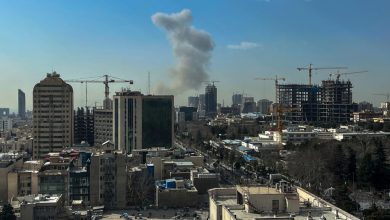
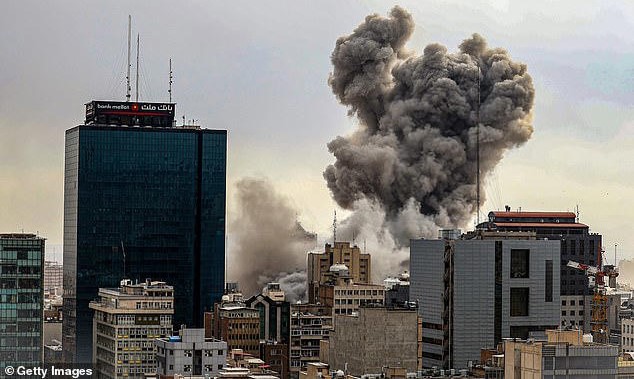
The ongoing conflict in the Middle East, triggered by coordinated military strikes by the United States and Israel on Iran and followed by broad regional retaliation, is not only a security crisis but also a source of growing economic risk, according to senior central banking officials.
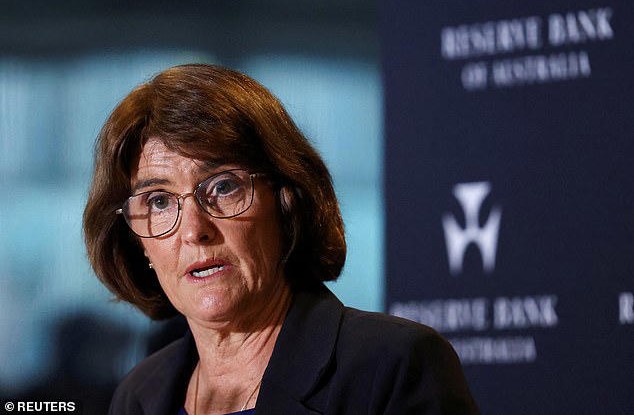
Reserve Bank leaders — including Michele Bullock, Governor of the Reserve Bank of Australia (RBA) — have issued cautious warnings that the geopolitical turmoil could influence inflation, interest rates and broader economic conditions around the world.
Geopolitical Conflict Adds to Inflation Uncertainty
In remarks made this week, Bullock said the Middle East conflict serves as a clear reminder of how geopolitical events can tighten inflation pressures by disrupting energy markets and pushing up fuel costs. While it is still early to quantify the full impact, central bankers are monitoring price levels closely and are “very alert” to emerging risks.
“We must recognise that events in the Middle East, particularly in energy-producing regions, could add to inflationary forces,” Bullock said, noting that higher oil and gas prices could translate into broader price increases in consumer goods and services.
Because of this uncertainty, the RBA — like many central banks — is remaining cautious on future interest rate decisions, balancing the need to control inflation with risks of slowing economic growth if geopolitical tensions persist.
Energy Prices and Supply Chain Risks
One of the main channels by which the Middle East conflict could affect economies is through energy markets. The Gulf region — home to some of the world’s largest oil and natural gas producers — sits along critical transit routes such as the Strait of Hormuz, through which a significant volume of global energy supplies move.
War-related disruptions to these flows have already pushed oil prices higher, contributing to global inflation pressures. Analysts warn that even short-term supply shocks or risk premiums imposed by traders could lead to higher fuel costs at the pump and increased costs for businesses that rely on energy.
Impact on Interest Rate Policy
Central banks typically respond to sustained inflation pressures by raising interest rates, which can cool demand and slow price increases. However, in the current environment, policymakers including Bullock say it remains too early to predict the precise outcome.
Bullock stressed that while the RBA’s decision to raise its cash rate earlier in 2026 was based on existing domestic data, the Middle East conflict adds an extra layer of unpredictability to future monetary policy choices.
Other global policymakers have expressed similar concerns: the European Central Bank’s chief economist warned that a prolonged conflict could cause a spike in inflation and lower growth if energy markets remain unsettled for months.
Wider Economic Risks
The International Monetary Fund (IMF) has also said it is closely monitoring developments, noting disruptions to trade, energy prices and financial markets could increasingly affect global economic performance — although it is still “too early to assess the full impact.”
Economists caution that prolonged tension could slow global growth, encourage financial market volatility, and delay interest rate easing plans that had been expected if inflation pressures cooled.
What This Means for Individuals
For everyday consumers, rising energy costs could translate into higher petrol, heating and freight costs, which in turn tend to push up the price of goods and services from food to transport. This type of broad cost increase is what central banks are especially wary of when making interest rate decisions.
Investors and households are being advised to monitor price trends and central bank announcements in coming weeks — particularly as major policy meetings approach in the U.S., Europe and Australia.