By Boakye Stephen, Kumasi, Ghana | Reporting for GhanaianNewsCanada
Concerns are growing over the welfare of Ghanaian students studying in the United Kingdom under government scholarship programmed, as the Minority Caucus in Parliament calls for the urgent settlement of outstanding tuition and related fees.
According to the Minority, several affected students have formally petitioned them, warning that delays in payment have reached a critical level, threatening not only their academic progress but also their legal stay in the UK.
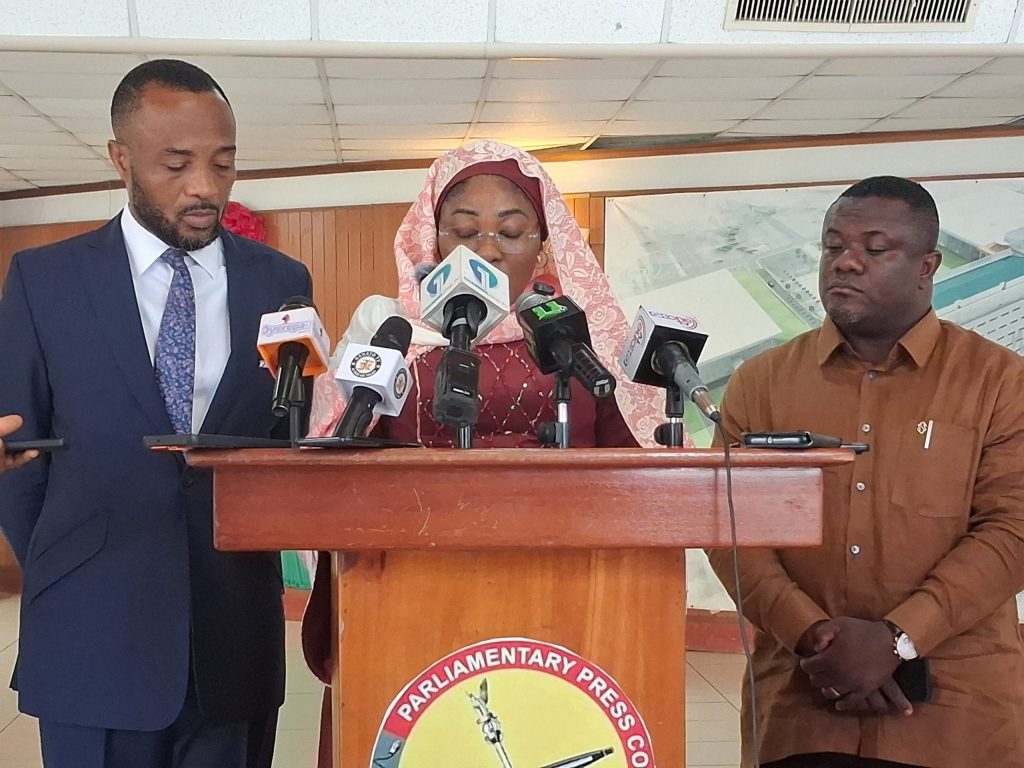
Raising the issue on the floor of Parliament, Minority Leader Alexander Afenyo-Markin revealed the seriousness of the situation, particularly involving students at Birmingham University.
“Students on scholarship at Birmingham University in the UK have not had their fees paid. The immigration authorities in the UK are threatening to deport them. They have been given one week to come back home. We want to plead with you that if you can draw the attention of the Scholarship Secretariat to remit their fees because, Mr Speaker, the UK government has some strict procedure, and the students have been crying, and they sent a petition to us,” he stated.
Current figures indicate that 36 Ghanaian PhD students in the UK are directly affected. As far back as November 2025, their cohort leadership disclosed that over GH₵5.7 million was urgently required to clear outstanding fees for the 2025/2026 academic year.
Commentary | Boakye Stephen
This situation represents more than a financial delay, it is a potential national embarrassment and a serious policy failure with international implications.
Government scholarship programmed are not merely financial commitments; they are strategic investments in human capital development. When such commitments are not honored, the consequences extend beyond the individual students to Ghana’s global credibility.
The risk of deportation highlights the rigid nature of international academic and immigration systems. Unlike local institutions, foreign universities operate under strict compliance frameworks, leaving little room for delays or diplomatic excuses.
For the affected students, the impact is profound: years of academic work, research progress, and personal sacrifice are now at risk of collapse due to circumstances beyond their control. Psychologically, financially, and professionally, the damage could be long-lasting.
From a governance perspective, this raises critical questions:
Are scholarship schemes being properly funded and managed?
Is there adequate coordination between the Scholarship Secretariat and financial authorities?
Why are issues only addressed when they escalate into crises?
More broadly, this incident reflects a recurring pattern in public administration, reactive decision-making instead of proactive planning.
If not urgently resolved, the situation could discourage future international partnerships, reduce trust in Ghana’s scholarship programmed, and ultimately weaken the country’s long-term human capital development strategy