


By Boakye Stephen | reporting for Ghana News Canada | February 2026
A mix of parliamentary proceedings, cultural policy discussions, infrastructure concerns, and traditional leadership tensions continues to shape Ghana’s national conversation, as lawmakers, community leaders, and citizens weigh in on issues affecting governance, identity, and development.
Bill cleared for introduction in Parliament
The Speaker of Parliament has directed that a new LGBTQIA+ bill be scheduled for presentation before the House after determining that it does not breach key constitutional provisions, particularly Articles 106 and 108 of the 1992 Constitution.
“The bill does not contravene any constitutional provision… and does not impose taxation or a charge on the Consolidated Fund,” the Speaker ruled after reviewing a committee report.
“The Committee, by a unanimous decision, advised that the bill be introduced in the House.”
The directive means the bill will proceed to formal presentation, debate, and further legislative scrutiny.
Cultural identity and schools
Meanwhile, Education Minister Haruna Iddrisu has proposed strengthening cultural identity in schools by encouraging students to wear traditional Ghanaian attire on designated national days.
He referenced cultural diplomacy during a state visit by former President John Mahama to Zambia as an example of how traditional dress can project national pride internationally, suggesting similar emphasis within Ghana’s education system.
“On any day declared our day, every Ghanaian learner must go in a culturally suitable dress,” the minister proposed.
Ongoing national debates on values and sovereignty
Parliament has also seen ongoing debates on cultural values and national sovereignty, particularly around LGBTQ-related legislation. Hon. Sam Nartey George, MP for Ningo-Prampram, and several other lawmakers have argued strongly that Ghana must maintain its cultural and legislative independence.
Supporters of this position maintain that Ghana, as a sovereign state, should determine its policies in line with its traditions and constitutional processes without external pressure. The discussions continue to draw both domestic and international attention.
Concerns over Suame Interchange project
Away from Parliament, some residents and observers have expressed dissatisfaction over the pace of construction on the Kumasi Suame Interchange and related infrastructure projects.
Community members say delays are affecting traffic flow, commerce, and public confidence. Calls are growing for contractors and authorities to accelerate work and provide clear timelines for completion.
Infrastructure projects in the Ashanti Region remain critical to trade, transportation, and economic activity, making the pace of work a matter of public interest.
Traditional leadership tensions
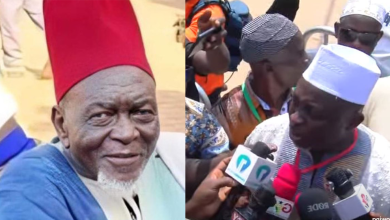
In the Ashanti Region, comments attributed to the Dormaa traditional leadership have sparked reactions from some Asante voices.
Dr. Seth Okyere, leader of a group known as “Asante Ye Dɔm,” has expressed displeasure over remarks reportedly made about the Asantehene in connection with a recent visit by the Asantehene to the Police CID Headquarters.
According to Dr. Okyere, the visit has been interpreted by some as controversial, with arguments emerging about protocol and respect between state institutions and traditional authorities.
He reportedly argued that, in matters involving traditional leadership, greater sensitivity and respect for historical institutions should be maintained, noting the longstanding presence and influence of the Asante Kingdom within Ghana’s history.
The issue has sparked discussion across social and traditional media platforms, with calls for calm, respect, and dialogue among traditional leaders and their communities.
Culture as an engine for economic growth
Mr. Geoffrey Tamakloe (Ministry of foreign affairs)has emphasized that Ghana’s cultural heritage can be a powerful driver of national development, particularly through festivals such as the Akwaaba Festival. According to him, culture is not only a source of pride but also an engine for economic growth.
“The Akwaaba Festival becomes not just a celebration, but a driver of round-the-clock economic activity. Through this festival, ladies and gentlemen, we can transform music and fashion into tourism, trade, and SME participation. The Akwaaba Festival demonstrates how culture can drive employment, entertainment, and national development,” Hon. Tamakloe stated.
Officials highlight that such cultural events can contribute a significant percentage of Ghana’s GDP by creating jobs, businesses, and opportunities for young people, especially in the creative, tourism, and small business sectors.
Hon. Tamakloe’s remarks reinforce the broader theme in Ghana’s national discourse: preserving and promoting cultural heritage is not merely symbolic, but strategic for economic empowerment, youth engagement, and sustainable development.
Educative Commentary | By Boakye Stephen
Ghana’s current national conversation reflects the complexity of a modern African democracy balancing governance, development, and cultural heritage.
From parliamentary procedure to cultural identity in schools, infrastructure delays, and traditional leadership sensitivities, the underlying theme is respect, for law, for culture, and for institutions.
The Speaker’s constitutional review of legislation shows the importance of strong democratic systems. The Education Minister’s proposal on cultural attire highlights the need to preserve heritage among younger generations. Meanwhile, debates in Parliament over social values reflect Ghana’s determination to define its path as a sovereign state.
Infrastructure concerns such as delays on the Suame Interchange remind leaders that development must be visible and timely to maintain public confidence. At the same time, tensions involving traditional authorities demonstrate how deeply history and identity remain intertwined with modern governance.
Ghana’s strength has always been its ability to debate passionately yet remain stable. Respect for cultural heritage, traditional leadership, and constitutional order must continue to guide national discourse.
As the country moves forward, one lesson stands out:
Development, democracy, and cultural identity must advance together, not in conflict, but in balance.
Ghana News Canada will continue to monitor these developments and provide updates as events unfold.