


By Ebenezer Adu-Gyamfi / Emmanuel Ayiku | Reporting for Ghanaian News Canada April 20, 2026
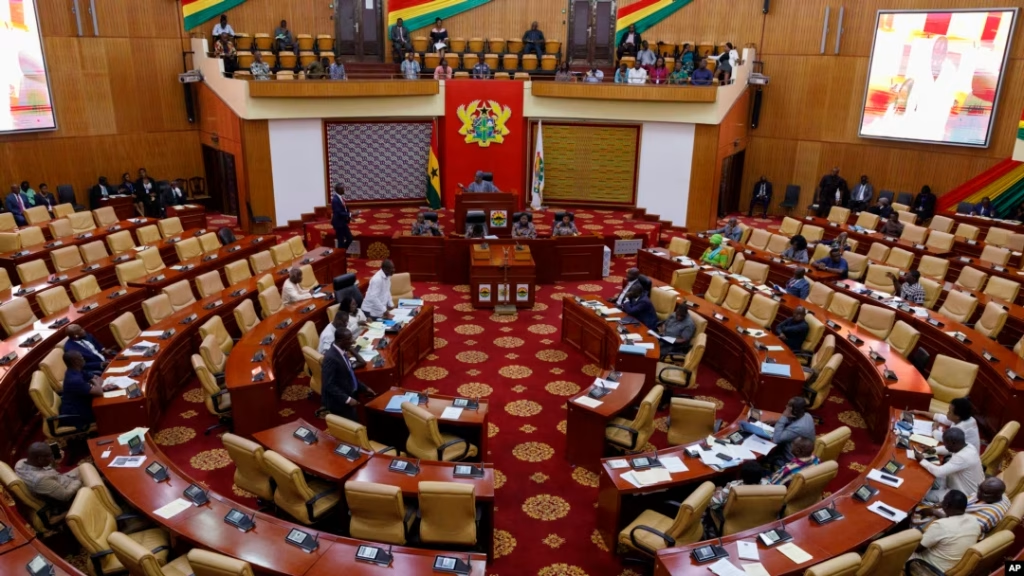
Ghana’s Parliament is set to take a significant step in the ongoing debate over the Human Sexual Rights and Family Values Bill, as the Committee on Constitutional, Legal and Parliamentary Affairs prepares to consider the legislation on April 23.
The announcement was made by Ahmed Ibrahim, who indicated that the committee will begin deliberations on the controversial bill as part of its parliamentary review process.
The proposed law, widely referred to as the anti-LGBTQ bill, has been one of the most debated legislative efforts in Ghana in recent years. It was reintroduced to Parliament in February 2026 after an earlier version, passed in 2024, expired without presidential assent.
Following its reintroduction, the bill was formally referred to the Parliamentary Committee on Constitutional, Legal and Parliamentary Affairs for detailed scrutiny and recommendations before it can proceed further in the legislative process.
The bill seeks to expand existing laws by introducing stricter penalties related to same-sex relationships, advocacy, and activities associated with LGBTQ+ identities. Provisions under the proposed legislation include criminal sanctions not only for same-sex conduct but also for individuals and organisations deemed to be promoting or supporting such activities.
Supporters of the bill argue that it is necessary to uphold Ghanaian cultural values and social norms, while critics, including international human rights organisations, have raised concerns about its potential impact on fundamental rights such as freedom of expression and association.
The renewed consideration of the bill has reignited national and international debate, with stakeholders from religious groups, civil society, and the global community closely monitoring developments.
The Committee’s deliberations are expected to play a crucial role in shaping the future of the bill, as it will determine whether the legislation proceeds to the next stages of parliamentary approval.
As the April 23 meeting approaches, public interest in the bill remains high, reflecting its significance in Ghana’s legal, social, and political landscape.
