


By: Ebenezer Adugyamfi & Emmanuel Ayiku for GhanaianNewsCanada
28 OCTOBER 2026
OTTAWA, Canada — A national fundraising campaign to restore 24 Sussex Drive, the official residence traditionally associated with Canada’s prime ministers, has raised more than C$5.7 million toward a C$50 million target, as organisers open the appeal to the wider public.
The Rideau Hall Foundation, which is leading the fundraising effort, announced on Wednesday that the campaign had received more than 4,000 contributions. Donations range from modest individual payments to larger financial commitments.
The announcement marks a new phase in the effort to rehabilitate the historic property, which has been left unoccupied for more than a decade because of its deteriorating condition.
The campaign forms part of a broader plan announced by Prime Minister Mark Carney in June to restore and modernise the residence through a national design-and-build competition. The government hopes private donations will cover all or most of the eventual cost.
Why 24 Sussex Drive matters
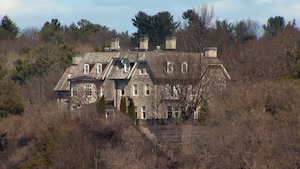
Located in Ottawa, 24 Sussex Drive has served as Canada’s official prime ministerial residence since 1951. The property is more than a private home: it has long been associated with the country’s political leadership, diplomatic engagements and national history.
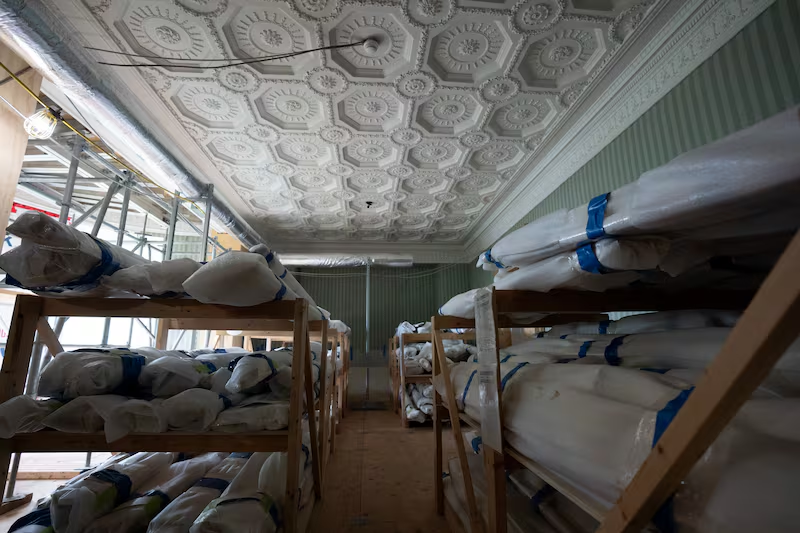
However, decades of deferred maintenance have left the building in serious disrepair. Inspections have identified problems including water damage, electrical deficiencies, mould and evidence of rodents.
Former prime ministers have chosen to live elsewhere rather than occupy the residence. Carney currently lives at Rideau Cottage on the grounds of Rideau Hall, as did his predecessor, Justin Trudeau.
The federal government has argued that the historic building should be restored so it can once again provide a safe and functional residence for future prime ministers.
Fundraising target reaches C$50 million
The Rideau Hall Foundation’s C$50 million target is a fundraising goal, not a final approved construction budget.
The precise cost of the restoration will depend on the design and construction proposal selected through the national competition. The National Capital Commission previously estimated that restoring the property to good condition would cost approximately C$37 million, although more recent reporting suggests the overall project could exceed C$100 million.
The difference between the earlier estimate and the potentially higher cost highlights the financial uncertainty surrounding the project.
Organisers say the fundraising initiative is intended to reduce the amount required from taxpayers while giving eligible Canadians and charitable organisations an opportunity to support the restoration.
The foundation has also introduced the Council for 24 Sussex, a group of volunteer supporters from across Canada expected to help raise awareness and encourage further contributions.
Questions over public priorities
Despite the fundraising progress, the restoration has generated debate over whether renovating the prime minister’s traditional residence should be a priority at a time when many Canadians are concerned about housing affordability and homelessness.
Conservative Leader Pierre Poilievre has previously argued that housing pressures and other urgent needs deserve greater attention than the residence.
Supporters of the project, however, say restoring the property would preserve an important national landmark and ensure future prime ministers have a suitable official home.
The disagreement reflects a broader question about how governments should balance heritage preservation and the upkeep of national institutions against immediate social and economic pressures.
Donations and accountability
The use of private donations to support a major national project has also raised questions about transparency and the possibility of donors seeking influence.
The Rideau Hall Foundation says the campaign operates under established donation rules. Its published guidelines state that corporate and anonymous donations are not accepted, and donors must meet the campaign’s eligibility requirements.
Transparency around contributions and the eventual use of the money will remain important as the fundraising campaign continues.

What happens next?
The national design-and-build competition is expected to identify a proposal for the residence’s rehabilitation and modernisation. The government has said the winning proposal is expected to be announced by Canada Day, July 1, 2027.
The selected team will be responsible for developing and carrying out the project, with the aim of preserving the building’s heritage character while making it safe, accessible, sustainable and functional.
For now, the campaign’s C$5.7 million milestone represents an early step toward its C$50 million fundraising objective. Organizers are encouraging more eligible Canadians to contribute as the country considers the future of one of its best-known political landmarks.
Whether the campaign can reach its target — and how much of the final restoration cost will ultimately fall to taxpayers — remains to be seen.
