

Israel Strikes Lebanon After Hezbollah’s Missile and Drone Attacks
Conflict in the Middle East Expands as Iran-Allied Group Enters the War
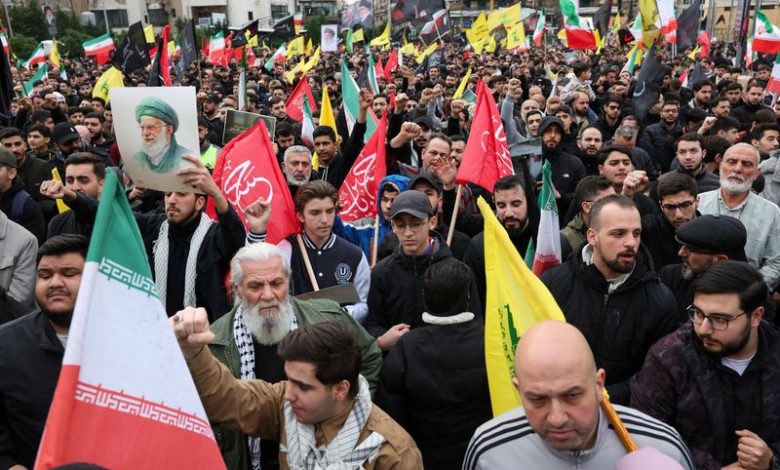
Hezbollah Opens New Front in Regional War

Israel carried out heavy airstrikes across Lebanon early on Monday, March 2, 2026, after Hezbollah fired missiles and drones toward Israeli territory in retaliation for recent strikes in Iran.
The Lebanese militant group—backed by Iran—said its actions were in response to the killing of Iran’s Supreme Leader, Ayatollah Ali Khamenei, and “in defence of Lebanon and its people.”
Local witnesses in Beirut reported more than a dozen explosions in the southern suburbs of the capital, known as Dahiyeh, where Hezbollah maintains a strong presence. This was described as some of the intensest fighting in the area since the 2024 conflict between Israel and Hezbollah.
Israel’s Military Response
The Israel Defense Forces (IDF) confirmed that its air force had begun striking Hezbollah targets across Lebanon, including facilities and senior operatives linked to the militant group.
Israeli military leadership said the action was a direct response to Hezbollah’s attacks, and stressed that it would not allow threats to its northern border to continue.
Residents in more than 50 villages in southern Lebanon and the Bekaa Valley were warned to evacuate and avoid buildings targeted in the strikes.
Hezbollah’s Justification
In a formal statement, Hezbollah said its missile and drone assault was intended to avenge the death of Khamenei and counter what it called ongoing Israeli aggression.
The attacks marked Hezbollah’s first offensive against Israel since a ceasefire in November 2024 ended more than a year of intense fighting between the two sides.
Lebanon’s Government Reacts
Lebanon’s official institutions have taken a different stance from Hezbollah. The national government has moved to ban all independent military actions by the group, emphasizing that decisions about war and peace belong only to the state.
Prime Minister Nawaf Salam called the rocket fire “irresponsible”, warning that it endangered Lebanon’s security and could drag the country deeper into conflict.
Broader Regional Escalation
The exchange between Israel and Hezbollah adds another layer to a conflict that has already spread across the Middle East after a joint U.S.–Israeli campaign against Iran.
Missiles and drones from Iran have struck Israeli cities and U.S. bases in the Gulf, drawing in multiple nations and heightening fears of a wider war.