

By: Ebenezer Adu-Gyamfi / Emmanuel Ayiku for GhanaianNewsCanada
COPENHAGEN, Jan. 18, 2026 — Greenland has publicly expressed its gratitude to European nations for their strong and unified response to punitive tariff threats from U.S. President Donald Trump, as tensions escalate over Trump’s controversial push to gain control of the strategic Arctic territory.
Last week saw several European countries including France, Germany, and the United Kingdom send small military contingents to Greenland at Denmark’s request as part of coordinated Arctic security activities. In reaction, President Trump announced plans to impose tariffs initially at 10% on goods from eight European allies, escalating to 25% by mid-year unless Washington’s interests in Greenland are accommodated.
Greenland’s cabinet minister responsible for business, energy, and minerals, Naaja Nathanielsen, described European solidarity as both “heartening” and crucial in extraordinary times, highlighting the importance of diplomacy and allied cooperation.
European Unity and Pushback
European leaders responded robustly to the tariff threat. In joint statements, governments from Denmark, Norway, Sweden, France, Germany, the Netherlands, Finland, and the United Kingdom condemned the proposed tariffs and reaffirmed their support for Denmark’s sovereignty over Greenland. They warned that economic coercion among NATO allies could trigger a “dangerous downward spiral” in transatlantic relations.
French President Emmanuel Macron emphasized that no amount of intimidation would alter Europe’s position, and urged a coordinated response that could include use of the EU’s anti-coercion trade mechanisms.
European Union ambassadors are set to hold emergency talks to discuss collective responses to the tariff threats and outline steps to protect mutual interests, including Arctic security and longstanding alliances.
Pressure on NATO Partners
U.S. officials have described Greenland’s geographic position and rich natural resources as vital to American security concerns, a rationale used to justify the tariff threats. But Greenlandic business leaders and European officials alike argue that the tariff strategy appears aimed more at pressuring NATO partners than assisting Greenland.
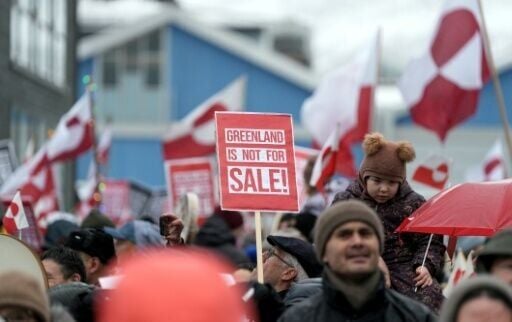
Thousands of citizens in Denmark and Greenland took to the streets in recent days, holding large demonstrations under slogans like “Greenland is not for sale,” underscoring local resistance to external control and support for self-determination.
What Comes Next
Denmark’s foreign minister has announced a diplomatic tour of European capitals to strengthen cooperation on Arctic defense and strategic deterrence, while European governments continue to coordinate on responses that span diplomatic, economic, and security dimensions.
Despite the heightened rhetoric, European officials stress that strong alliances and dialogue remain essential to addressing shared global challenges from Arctic security to broader transatlantic cooperation and that economic pressure among allies is neither constructive nor sustainable.