By Boakye Stephen | Kumasi, Ghana – Reporting for GhanaianNewsCanada | March 19, 2026


The Ghanaian government has taken a decisive step to restore discipline within the public sector by banning all loss-making State-Owned Enterprises (SOEs) from paying bonuses to their management, boards, and staff.
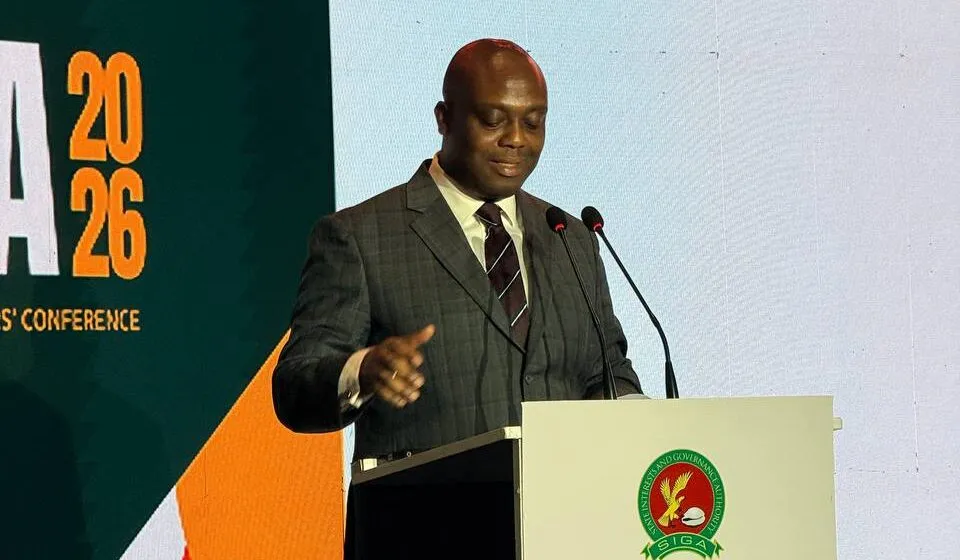
The directive was reinforced at the State Interests and Governance Authority (SIGA) Annual Stakeholders Conference held in Accra on March 19, 2026, signaling what authorities describe as a clear shift away from rewarding inefficiency with public funds.
Delivering a strong message, Deputy Finance Minister Thomas Ampem Nyarko emphasized that underperforming SOEs will no longer be tolerated, declaring that such institutions must either improve or face closure.
Rising Public Anger Forces Action
The move comes amid growing frustration among Ghanaians over the persistent poor performance of many state-owned enterprises, some of which continue to operate at a loss while still awarding bonuses.
Audit reports in recent years have revealed significant financial irregularities, with billions of cedis lost through inefficiencies and weak oversight systems. This has intensified public pressure on the government to take bold and immediate action.
The latest directive is therefore seen not only as an administrative reform but also as a response to mounting political and economic concerns.
Linking Pay to Performance
As part of broader reforms, Vice-President Professor Jane Naana Opoku-Agyemang announced plans to introduce a Performance-Linked Remuneration Framework.
Under this system, salaries and incentives within SOEs will be directly tied to measurable performance indicators and the financial health of each institution.
The goal is to introduce a results-driven culture similar to that of the private sector, where rewards are based on productivity and efficiency rather than position or entitlement.
Supporting this direction, SIGA Director-General Professor Michael Kpessa-Whyte reminded SOE leaders of their responsibility as custodians of national assets, stressing that public institutions must serve the interest of citizens rather than personal gain.
Beyond Bonuses: Deeper Governance Issues
While the ban on bonuses has been widely welcomed, analysts argue that the challenges facing SOEs go far beyond incentive structures.
Key structural issues continue to affect performance across many state institutions, including:
-
Political appointments overriding competence
-
Weak oversight and accountability systems
-
Limited operational independence
-
Poor corporate governance practices
Experts caution that unless these underlying problems are addressed, the current directive may only provide temporary relief rather than long-term transformation.
Reform or Rhetoric?
The government’s “perform or dissolve” stance has been described as bold, but it also raises important questions about implementation.
Historically, similar policy pronouncements have been made without consistent enforcement, allowing inefficiencies to persist.
Observers warn that without strict monitoring, transparency, and real consequences, the new directive risks becoming symbolic rather than effective.
Balancing Reform with Social Impact
The policy also introduces potential risks, particularly if failing SOEs are eventually dissolved.
Key concerns include:
-
Possible job losses for workers
-
Economic disruption in sectors reliant on SOEs
-
Political resistance to shutting down state institutions
This makes it essential for the government to carefully manage the reform process, ensuring that necessary changes do not create unintended social and economic consequences.
A Defining Moment for Public Sector Reform
The current developments represent a critical moment in Ghana’s efforts to reform its public sector and improve financial discipline.
If implemented effectively, the policy could mark the beginning of a new era characterized by accountability, efficiency, and responsible management of public resources.
However, failure to enforce these measures could reinforce public skepticism and deepen concerns about governance.
For many Ghanaians, the focus is now shifting from announcements to action, as the country watches closely to see whether this latest reform effort will deliver real and lasting change.