

By Boakye Stephen, Kumasi, Ghana | Reporting for GhanaianNewsCanada
The Group Chief Executive Officer and Managing Director of GOIL PLC, Edward Bawa, has disclosed that the company sources a portion of its finished petroleum products locally, although domestic refining capacity remains a limiting factor.
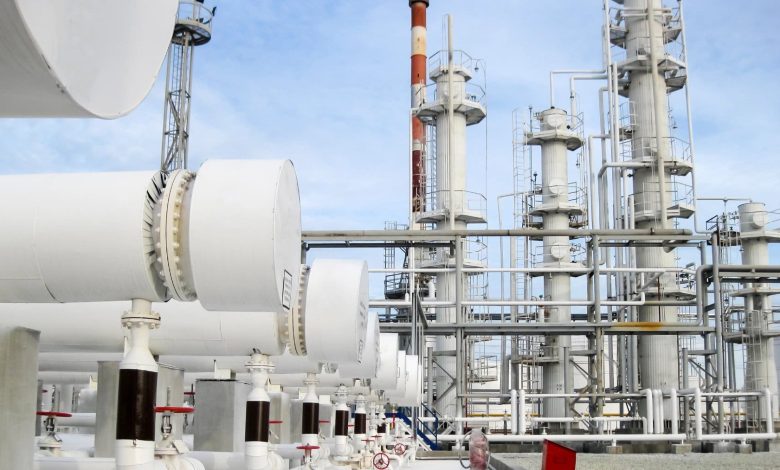
According to Mr. Bawa, approximately 30 percent of GOIL’s fuel supply is obtained from local refineries, particularly the Tema Oil Refinery (TOR) and the Sentuo Oil Refinery, depending on prevailing market conditions.
Speaking during an interview on Channel One TV, he explained that the company’s ability to increase local sourcing is constrained by the current output levels within the country.
“It will obviously not be more than 30 per cent because generally the in-country capacity is not enough for us to get more. But at least it is not more than 30 per cent,” he stated.
Despite the limitations, Mr. Bawa noted that locally refined petroleum products tend to offer cost advantages compared to imports.
“The products we get in the country are comparatively cheaper,” he added.
He emphasized that expanding Ghana’s refining capacity would play a critical role in reducing reliance on imported fuel and improving pricing competitiveness in the long term.
Commentary | Boakye Stephen
This revelation highlights a core structural challenge within Ghana’s energy sector, the persistent gap between domestic demand and local refining capacity.
While sourcing up to 30% locally is a positive step toward energy independence, it also underscores how heavily Ghana still depends on imported petroleum products. This dependence exposes the country to global price volatility, currency fluctuations, and supply chain disruptions.
The fact that locally refined fuel is cheaper presents a significant economic opportunity. However, the inability to scale up production points to deeper issues, including underinvestment in refinery infrastructure, operational inefficiencies, and policy inconsistencies over the years.
From a strategic standpoint, increasing domestic refining capacity is not just an economic decision, it is a matter of national energy security. A stronger local refining base could stabilise fuel prices, reduce foreign exchange pressure, and create jobs within the petroleum value chain.
This also raises critical policy questions:
Why has Ghana struggled to fully optimise facilities like TOR?
What investments are being made to expand refining capacity?
How can public-private partnerships accelerate growth in this sector?
Ultimately, Ghana’s path toward energy stability will depend on its ability to transition from a fuel-importing economy to a more self-sufficient refining hub.