


By: Ebenezer Adu-Gyamfi / Emmanuel Ayiku for GhanaiannewsCanada
The global market for sports facility planning and design is on track to grow significantly over the next few years, driven by rising public investment in sports infrastructure, increasing awareness of health and wellness, and broader demand for modern, versatile athletic venues.
Market Size & Growth
In 2024, the market was valued at around $26.6 billion.
By 2029, it is expected to reach approximately $37 billion, growing at an annual rate of about 7% over the period.
Regional Leaders
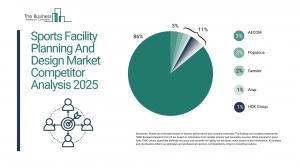
Americas will remain the largest regional market, with a projected value of over $16 billion by 2029.
Within that region, the United States is forecast to be the single largest country market, driven by public spending on sports infrastructure and supportive government initiatives.
Key Market Segments
By: Facility Type
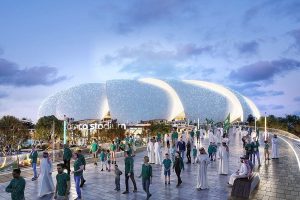
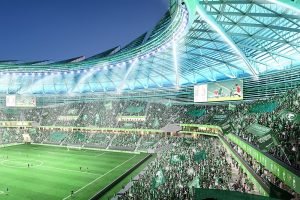
Smart stadiums will be the largest and fastest-growing segment, reflecting strong demand for venues equipped with advanced technology and flexible usage capabilities.
By Service Type
The architecture and design segment is projected to capture the biggest share. This reflects the emphasis on innovative design approaches, sustainability, and inclusive planning in modern sports facilities.
By Construction Type
New construction projects will dominate, supported by increased investments from governments and private stakeholders seeking to build modern, multi-purpose sports venues.
Growth Drivers
Several factors are fueling expansion in the market:
Government initiatives, such as funding and policy support, are helping reduce barriers and accelerate project approvals.
Rising public investment in sports and recreation is boosting construction and renovation of athletic facilities.
Greater emphasis on health, wellness, and fitness is increasing demand for community-focused and cutting-edge sports environments.
Together, these trends signal that the sports facility planning and design industry will continue evolving to meet the needs of athletes, communities, and investors looking for modern, sustainable, and highly functional sports infrastructure.