By Boakye Stephen, Kumasi, Ghana | Reporting for Ghanaian News Canada | May 6, 2026

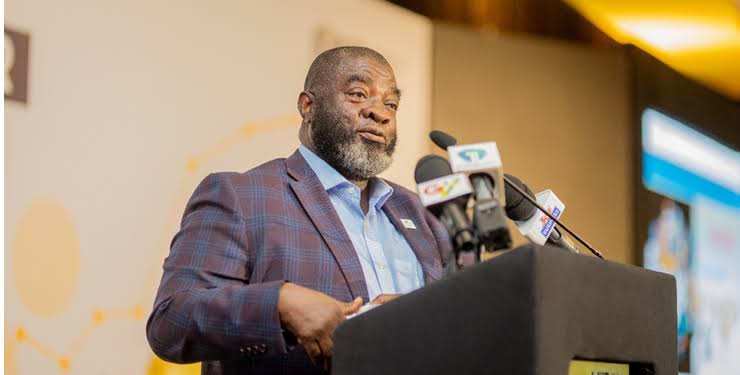
Senior Partner at AB & David Africa, David Ofosu-Dorte, has issued a strong warning that Ghana’s ambition to transform its cities into globally respected centres of prosperity could collapse if illegal mining and environmental destruction are not urgently tackled.
Speaking during the JoyNews and Amalgam of Professional Bodies Speaker Series held on May 6, 2026, Mr Ofosu-Dorte argued that economic growth alone cannot sustain modern cities if environmental safety and livability continue to deteriorate.
The event was held under the theme:
“Centers of Prosperity @ the Center of the World: How we can manage our cities better to stimulate economic growth.”
According to him, cities are expected to become engines of national development, innovation, and investment attraction. However, he stressed that these ambitions are at risk if environmental degradation continues unchecked, particularly through illegal mining activities commonly known as galamsey.
“Cities are centres of prosperity, and in our case, they should exist at the centre of the world.”
Despite ongoing urban development projects and branding efforts, Mr Ofosu-Dorte warned that Ghana’s international image could suffer if environmental issues remain unresolved.
“We should not overlook the fact that cities must also be livable. If we don’t deal with things like galamsey, the threat of water contamination will affect how people view our cities.”
His comments reflect growing national concern over the environmental impact of illegal mining, which has polluted several rivers and water bodies across Ghana, creating fears about long-term water security and public health.
Mr Ofosu-Dorte emphasized that environmental reputation is now directly linked to economic competitiveness. According to him, investors, tourists, and international partners increasingly evaluate cities not only by infrastructure and economic potential, but also by sustainability and quality of life.
“It doesn’t matter how much you brand your city. If your water is deemed to be contaminated, it will affect you.”
He therefore called for a more balanced national development strategy—one that combines economic expansion with environmental protection and responsible management of natural resources.
The business executive stressed that clean water, healthy communities, and sustainable planning are not optional luxuries but essential foundations for any city seeking long-term prosperity and global respect.
His remarks come at a time when Ghana continues to battle illegal mining activities that have damaged forests, rivers, and agricultural lands in several regions. Environmental experts have repeatedly warned that without decisive intervention, the long-term consequences could extend beyond ecology into health, tourism, agriculture, and investment confidence.
For many observers, the warning highlights a broader challenge facing developing nations: balancing rapid economic ambitions with environmental survival.
COMMENTARY | BOAKYE STEPHEN
This warning goes beyond galamsey. It is about national identity.
A country cannot advertise prosperity while its rivers collapse under pollution.
Modern cities are not judged only by tall buildings or highways. They are judged by:
- Clean water
- Environmental safety
- Public health
- Sustainability
If investors fear contamination, development slows. If citizens lose access to safe water, growth becomes meaningless.
The dangerous thing about environmental destruction is that its consequences are often delayed — but severe.
And once a nation destroys its ecological trust, rebuilding confidence becomes harder than rebuilding roads.
𝘼𝙗𝙤𝙪𝙩 𝙊𝙪𝙧 𝙍𝙚𝙥𝙤𝙧𝙏𝙄𝙉𝙂 𝙎𝙏𝘼𝙉𝘿𝘼𝙍𝘿𝙎
𝘛𝘩𝘪𝘴 𝘴𝘵𝘰𝘳𝘺 𝘪𝘴 𝘱𝘳𝘦𝘱𝘢𝘳𝘦𝘥 𝘶𝘴𝘪𝘯𝘨 𝘷𝘦𝘳𝘪𝘧𝘪𝘦𝘥 𝘱𝘶𝘣𝘭𝘪𝘤 𝘴𝘵𝘢𝘵𝘦𝘮𝘦𝘯𝘵𝘴, 𝘦𝘷𝘦𝘯𝘵 𝘳𝘦𝘱𝘰𝘳𝘵𝘴, 𝘢𝘯𝘥 𝘦𝘥𝘪𝘵𝘰𝘳𝘪𝘢𝘭 𝘢𝘯𝘢𝘭𝘺𝘴𝘪𝘴. 𝘖𝘶𝘳 𝘧𝘰𝘤𝘶𝘴 𝘪𝘴 𝘵𝘰 𝘥𝘦𝘭𝘪𝘷𝘦𝘳 𝘢𝘤𝘤𝘶𝘳𝘢𝘵𝘦, 𝘣𝘢𝘭𝘢𝘯𝘤𝘦𝘥, 𝘢𝘯𝘥 𝘱𝘶𝘣𝘭𝘪𝘤-𝘪𝘯𝘵𝘦𝘳𝘦𝘴𝘵 𝘫𝘰𝘶𝘳𝘯𝘢𝘭𝘪𝘴𝘮.