


By: Ebenezer Adu-Gyamfi
How Canadian Diplomacy Unsettled Trump and Shifted the Global Trade Narrative.
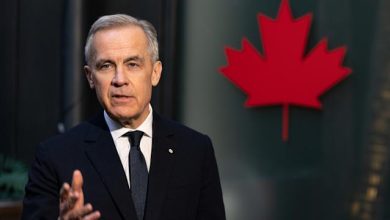
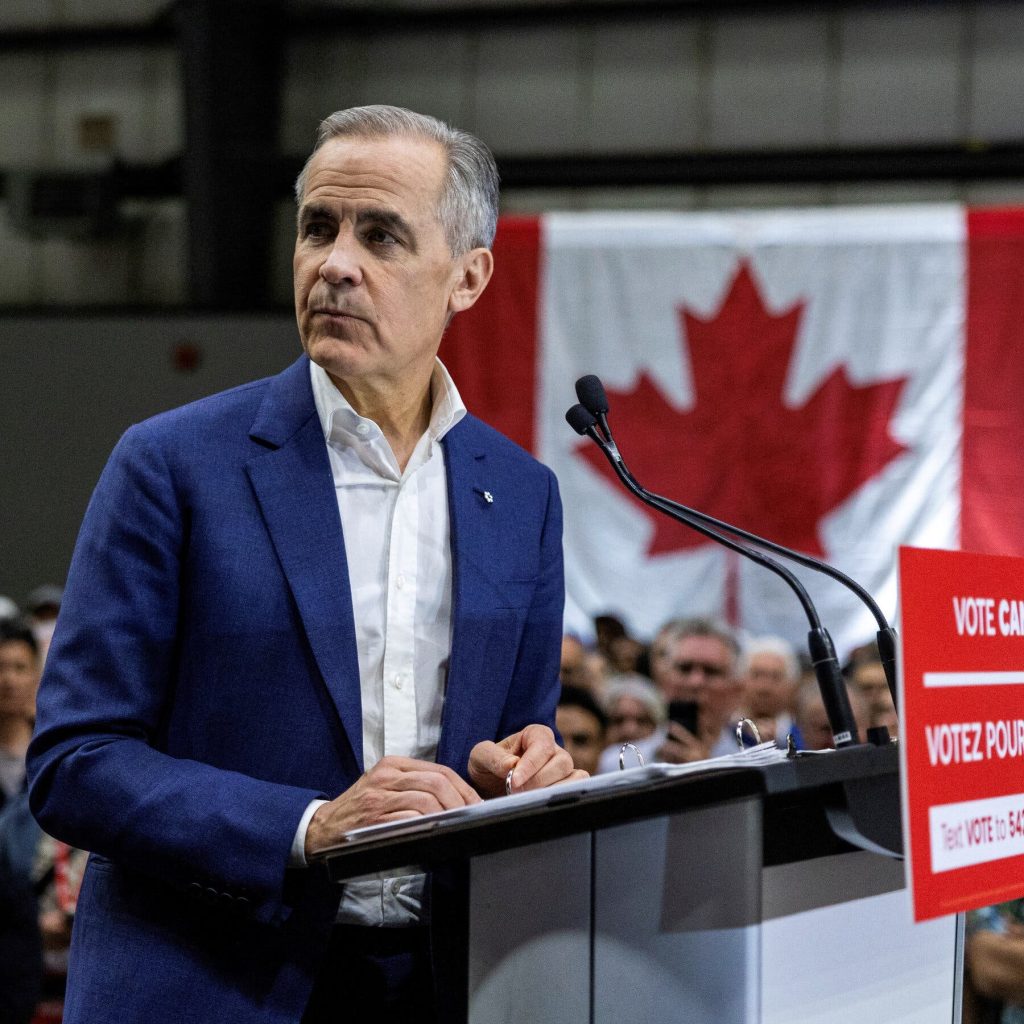
In a stunning turn of events on the world stage, Canadian Prime Minister Mark Carney has reportedly brokered or advanced a major trade initiative with China that has caught many international observers and U.S. President Donald Trump off guard.
The development, highlighted in recent commentary by U.S. political analyst Rachel Maddow, has sparked intense discussion over trade policy, diplomacy, and shifting geopolitical alliances.
A Surprising Pivot in International Trade Dialogue
Carney, a former central banker turned Canadian prime minister, has made headlines not merely as a negotiator but as a leader willing to advance Canada’s economic interests in bold ways. According to recent reports, he engaged Beijing in discussions that could bypass or undercut certain U.S. tariff structures a move that, according to some American political commentators, has unsettled policymakers in Washington.
While details of the “China deal” remain somewhat opaque, the broader context helps explain why it has triggered strong reactions:
Canada has been in ongoing negotiations with the U.S. over trade relations, tariffs, and economic cooperation throughout 2025. Much of that negotiation has centered on resolving tensions stemming from the 2025 United States trade war with Canada and Mexico, which has seen retaliatory tariffs and strained ties.
Carney’s leadership has signaled a willingness to pursue diversified partnerships, especially with major markets like China, even if that approach diverges from U.S. priorities.
Trump’s Reaction — Political and Strategic Pressure
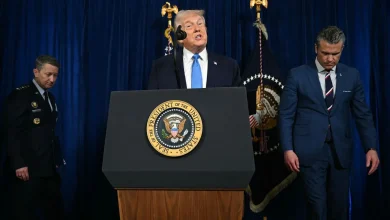
In the video and accompanying commentary, President Trump is portrayed as “panicking” over Carney’s diplomatic maneuver — a dramatic characterization meant to underscore the perceived political damage such a deal could inflict. While terms like “panic” are rhetorical and often exaggerated for impact, they reflect a genuine concern among some U.S. political analysts that:
A closer Canada-China economic relationship could reduce American leverage in North American and global trade discussions.
Trump’s trade policy has been deeply rooted in protecting U.S. industries through tariffs and bilateral negotiations strategies that can be undermined when neighboring allies engage rivals on independent terms.
Even before this development, Trump and Carney had publicly engaged in complex negotiations. In mid-2025, they met in Washington to discuss tariffs and potential trade frameworks with both sides signaling a desire to reach a new agreement. Trump publicly expressed admiration for Carney as a “world-class leader” while navigating these sensitive talks.
What the “China Deal” Could Mean for North America
If Canada is indeed moving toward stronger economic cooperation with China, several implications emerge:
- Rebalancing Economic Influence
Canada might be seeking to diversify markets beyond the United States — a strategic move to protect national interests if U.S. tariffs remain high or negotiations stall. - Diplomatic Independence
Canada’s leaders may be signaling that they will not be constrained by U.S. policy priorities — especially if those priorities conflict with Canadian economic goals. - Competitive Pressures
Closer Canada-China ties could introduce competitive pressures on the U.S., potentially affecting sectors like natural resources, technology, and manufacturing.
These scenarios are precisely why commentators like Maddow frame the situation as a geopolitical surprise and one with wide-ranging consequences for trade and diplomacy.
Why This Matters Now
Global trade relationships are not static. In an era of shifting economic alliances, rising competition with China, and evolving diplomatic priorities, actions like Carney’s resonate far beyond bilateral Ottawa–Beijing relations.
For the United States, these developments challenge long-held assumptions about its economic influence over key partners. For Canada, they present opportunities to leverage global markets more strategically. And for the world, they underscore how interconnected — and delicate — modern diplomacy has become.