


By: Ebenezer Adu-Gyamfi / Emmanuel Ayiku for GhanaianNewsCanada 20/1/2026

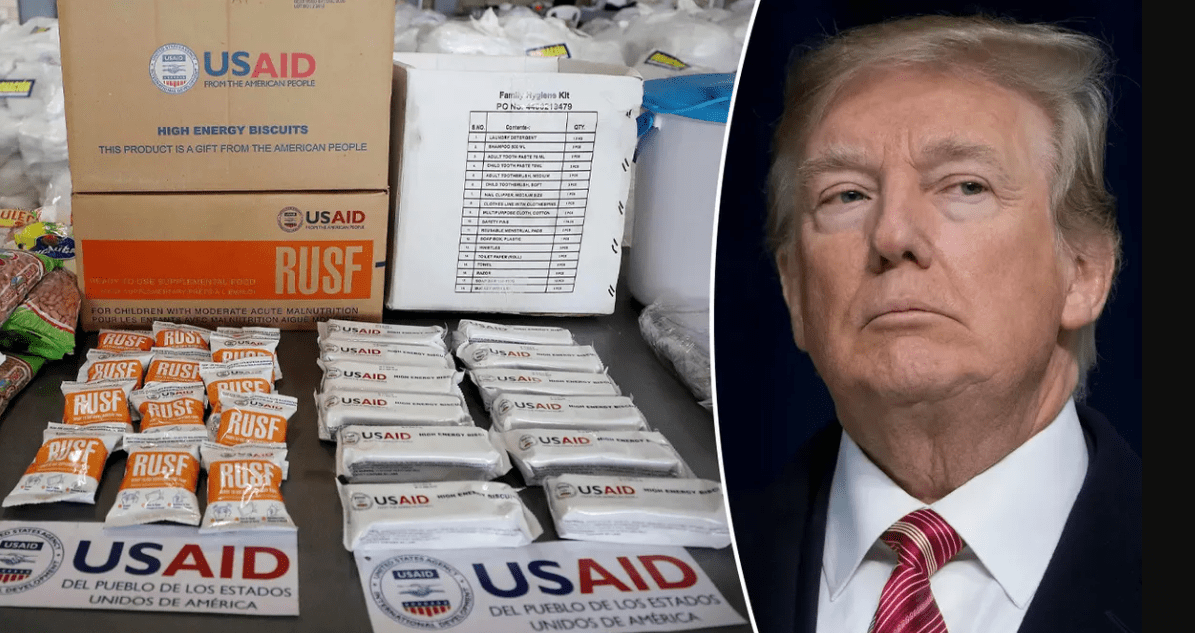
Healthcare services in Malawi are facing a deep crisis after the United States cut funding to its United States Agency for International Development (USAID), a move that has undermined decades of progress in public health and left vulnerable communities with dwindling access to essential care.
According to Africanews with AFP reporting, the effects of these funding cuts initiated in January 2025 have been felt across the country, particularly in programs fighting HIV/AIDS, maternal and child health, family planning, and community support services.
Drop in HIV Treatment and Support Services
Malawi has one of the highest HIV burdens in the world, with more than one million people living with HIV. Before the cuts, the U.S. provided roughly 60 % of the country’s HIV treatment budget primarily through USAID and its flagship HIV strategy.

With the funding slashed, many specialized care providers have shut down or drastically reduced services. This includes the loss of life-saving antiretroviral therapy (ART) support previously offered by U.S. backed programs. Patients who once received treatment through them have been forced to rely on overstretched public health facilities, where stigma and inadequate resources further complicate care.
One man living with HIV described how the end of USAID-supported treatment was “like a death sentence,” after his regular care vanished and he faced discrimination when seeking help elsewhere.
Family Planning and Maternal Health Impacted
USAID supported organizations such as the Family Planning Association of Malawi (FPAM) played a vital role in rural health through mobile clinics and community outreach. Since funding dried up, these mobile clinics often the only accessible source of contraception and reproductive health resources in remote areas halted operations.
Residents from villages once served by these clinics reported a rise in unplanned pregnancies after services stopped. In addition, maternal and child healthcare programs have faced disruptions, with critical prenatal and postnatal services becoming harder to access in rural districts, which already struggled with long distances to hospitals and limited transport.

Healthcare System in “Panic Mode”
Health experts and civil society leaders describe Malawi’s health system as being in “panic mode.” Many NGOs and frontline health workers have had to lay off staff, scale back community outreach, and close drop-in health centers entirely. A major concern is that the loss of these community health networks will lead to increases in untreated illnesses, interruptions in HIV prevention efforts (like PrEP distribution), and higher maternal and child mortality rates.
Broader Consequences and Reversals of Progress
Health officials and advocates warn that Malawi’s rollback in health services not only threatens individual lives but also erodes public trust in the healthcare system and could reverse long-term gains made in reducing HIV transmission and improving overall health outcomes. Before the cuts, U.S. funding was fundamental in driving down HIV prevalence and improving maternal health. The withdrawal of this support risks undermining those hard-won advances, with potentially serious consequences for population health across the country if alternative financing is not secured.