


Canada Turns Up Pressure on Donald Trump as Cross-Border Tensions Escalate
Trade tensions, consumer boycotts, and political resistance in Canada are shaping a challenging environment for Trump’s economic and diplomatic agenda.
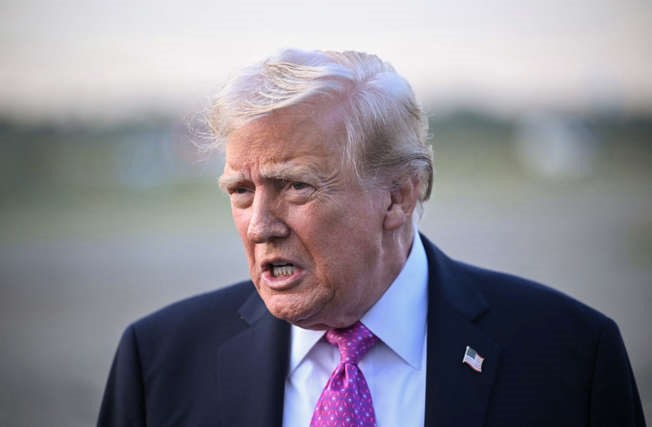
By: Ebenezer Adu-Gyamfi / Emmanuel Ayiku for GhanaianNewsCanada 16/2/2026

The relations between Canada and the United States have faced renewed strain as policy decisions and political rhetoric from Washington trigger strong reactions among Canadians. From trade disagreements to public protests, developments north of the border are increasingly influencing the political and economic landscape surrounding former U.S. President Donald Trump.
Canadian leaders, businesses, and citizens have responded to several U.S. policy positions with resistance, signaling that cross-border relations remain sensitive and deeply interconnected.
Economic Measures and Consumer Response
Economic pressure has emerged as a key tool in Canada’s response. Calls to support local industries and reduce dependence on American goods have gained momentum among consumers and advocacy groups. Some Canadian businesses have also explored alternative markets, seeking to minimize exposure to U.S. trade decisions.
This shift in consumer behavior reflects broader concerns about tariffs, market access, and economic fairness. Analysts suggest that even small changes in purchasing patterns or supply chains can influence industries that rely heavily on trade between the two countries.
Political and Diplomatic Implications
Canada’s response extends beyond economics. Political leaders have adopted firmer positions on bilateral negotiations, emphasizing national interests and sovereignty. Diplomatic discussions have grown more complex as both nations seek to protect domestic priorities while maintaining a historically strong partnership.
The evolving dynamic highlights how closely tied the two economies are, with policy changes in one country quickly affecting the other.
Public Sentiment and National Identity
Public opinion in Canada has played a central role in shaping the current atmosphere. Many Canadians view recent tensions as an opportunity to reinforce national identity and economic independence. Public demonstrations, social media campaigns, and civic discussions reflect a growing desire to assert Canadian interests in international relations.
This wave of sentiment has strengthened domestic unity while also influencing how political leaders approach negotiations with the United States.
A Relationship in Transition
Despite tensions, Canada and the United States continue to share deep economic, cultural, and security ties. However, recent developments show that the relationship is entering a period of adjustment, where public pressure and policy disagreements are reshaping traditional cooperation.
Observers note that how both countries manage these challenges will determine the future direction of one of the world’s most significant bilateral partnerships.