


By: Ebenezer Adu-Gyamfi / Emmanuel Ayiku For GhanaianNewsCanada | June 17, 2026 | Toronto, Canada
🇬🇭 GHANA vs PANAMA 🇵🇦
📅 Wednesday June 17, 2026 | ⏰ Kick-off: 7:00pm ET
🏟️ BMO Field, Toronto, Canada | FIFA World Cup Group L📺 ITV (UK) | RTE (Ireland) | TSN / RDS (Canada) | FS1 (USA)
TORONTO — The moment the Ghanaian-Canadian community has been building toward for months is finally here. Tonight at 7pm ET, the Black Stars of Ghana walk out at BMO Field in Toronto — the same stadium where Canada drew 1-1 with Bosnia just five days ago — for their opening game of the 2026 FIFA World Cup. The opponent is Panama. The stakes, despite this being only matchday one, could not be higher.
Ghana and Panama are in Group L alongside England and Croatia — two recent World Cup semi-finalists and overwhelming favourites to dominate the group. Neither Ghana nor Panama can realistically expect to take points from both of those European heavyweights. Which means tonight’s game, between the two most closely matched teams in the group, is the one that could decide everything. Win tonight, and the road to the Round of 16 opens up. Lose, and it becomes enormously difficult. This is Ghana’s best shot — and Panama’s too. Both teams know it. And tonight, Toronto gets to witness it firsthand.
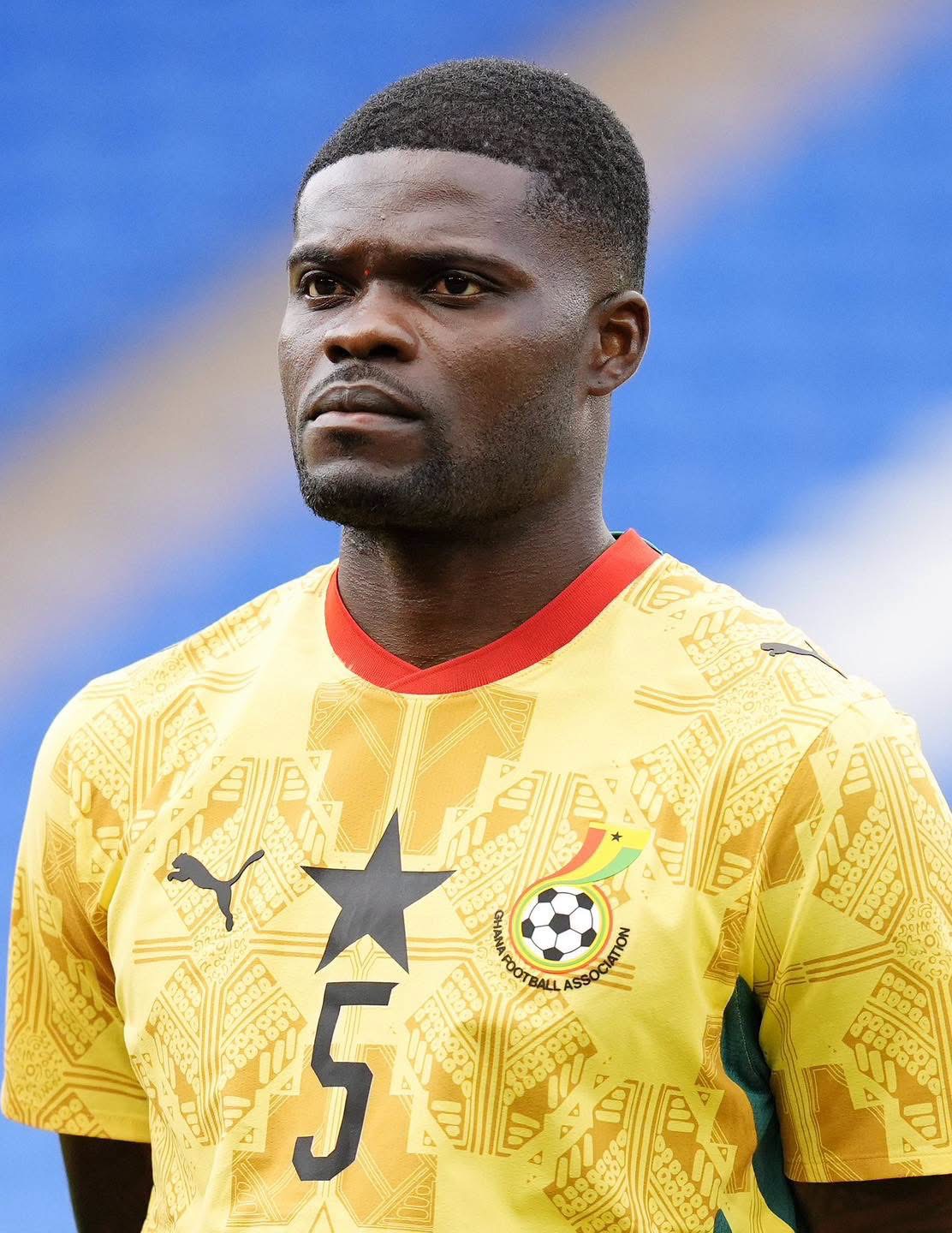
The Thomas Partey Saga — Ghana’s Biggest Pre-Match Drama
No preview of tonight’s match can be written without addressing the most dramatic story of Ghana’s World Cup build-up: the case of Thomas Partey. The former Arsenal midfielder — one of Ghana’s most experienced and technically gifted players, and a man who was expected to be central to Carlos Queiroz’s midfield setup — was denied entry to Canada ahead of the tournament opener.
The exact reasons for Partey’s denial of entry have not been officially confirmed by Canadian border authorities, which do not publicly comment on individual immigration cases. Reports have linked the situation to Partey’s legal background — he has faced allegations in the United Kingdom that are understood to have been a factor in his entry being refused. The Ghana Football Association and the player’s camp have not issued a comprehensive public statement explaining the circumstances. What is confirmed: Thomas Partey is not in Canada. He will not feature for Ghana tonight.

The absence is significant. Partey brings World Cup experience, defensive midfield authority, and the kind of physical and technical quality that Ghana’s midfield will feel acutely without. Elisha Owusu is expected to step into the anchor midfield role in his absence — a talented player, but one who has never played in a World Cup group stage game before. How Ghana manage that gap will be one of the tactical storylines of tonight’s match.
Ghana’s Attacking Threat — Kudus, Semenyo and the Williams Connection
Whatever the concerns about midfield, Ghana’s attacking options represent genuine world-class quality. Mohammed Kudus — the West Ham United creative midfielder who is arguably the most naturally gifted player in the squad — is expected to play in an advanced position where his ability to carry the ball in tight spaces, link play between the lines, and drive at defenders can hurt Panama. Kudus is the kind of player who can win a World Cup game on his own.
Antoine Semenyo — the Bristol City and now Bournemouth forward whose electrifying pace and directness have made him one of the most exciting wingers in the English Premier League — provides the width and the physical threat that can stretch Panama’s defensive block and create space for Kudus to exploit centrally. Semenyo has been in brilliant form for Bournemouth this season and arrives at his first World Cup with genuine confidence.
And then there is Iñaki Williams — the Athletic Club Bilbao striker of Ghanaian heritage who has been one of La Liga’s most consistent performers. Williams provides the physical presence, the hold-up play, and the goalscoring threat that gives Ghana a complete attacking platform. He is the type of centre-forward who thrives when the team around him is running at pace and in transition — exactly how Queiroz wants Ghana to play against a Panama side that will defend deep.
Know Your Opponent — Panama Are Not Here to Make Up the Numbers
Ghana would be making a serious mistake to underestimate Panama. The Central American nation qualified for only their second World Cup by going unbeaten through their CONCACAF qualifying campaign — a remarkable achievement in a region that includes the USA, Mexico, and Canada. Under their long-serving coach Thomas Christiansen, who has been in charge for nearly six years and has built a well-drilled, tactically disciplined side, Panama are organised, experienced, and physically imposing.
Panama’s strategy tonight will almost certainly be to defend deep, sit compact, and look to hit Ghana on the counter-attack — particularly through Ismael Díaz, the Club León forward who has been in excellent form and represents Panama’s most dangerous attacking threat. Aníbal Godoy in midfield will be tasked with disrupting Ghana’s rhythm, breaking up play, and winning back possession quickly. Eric Davis and Fidel Escobar at the back will defend the box aggressively and use their experience to frustrate Ghana’s attackers.
Panama conceded just 7 goals in 14 CONCACAF qualifying matches — a defensive record that reflects how difficult they are to break down. They are not a team that will open up and invite pressure. Ghana must be patient, creative, and clinical when the opportunities come. Set pieces — both attacking and defending — could be decisive given Panama’s physical presence from dead-ball situations.
Queiroz’s Challenge — Building a Team in Two Months
Carlos Queiroz — the experienced Portuguese coach who has previously managed Iran, Egypt, and Colombia at World Cups, and who is famous for his defensive organisation and tactical discipline — was appointed Ghana head coach in April 2026, just two months before the tournament. It is an extraordinarily short preparation time for any coach, let alone one inheriting a squad with multiple strong personalities and a recent history of internal discord.

Tonight against Panama is only Queiroz’s second competitive game in charge of Ghana. His first — the friendly against Mexico in May — ended in a 2-0 defeat, though it should be noted that several key players were absent and Queiroz himself missed the game due to personal reasons. Tonight is the real beginning. Tonight is where we find out what kind of team Queiroz has built in his eight weeks in charge — and whether the quality in this squad can be channelled into a cohesive, competitive World Cup performance.
Tonight Belongs to Toronto’s Ghanaian Community
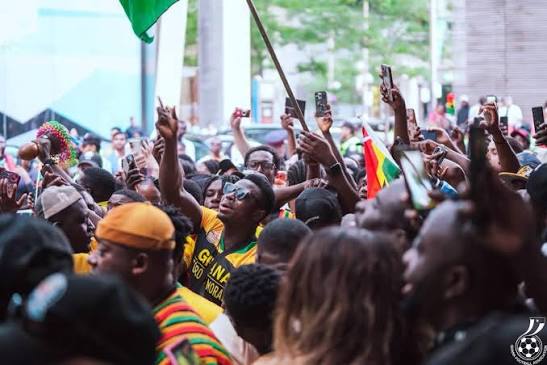
Whatever happens tactically and technically tonight, there is a dimension to this game that no set of statistics or tactical analysis can fully capture: the fact that it is happening in Toronto. Ghana’s World Cup game — the game that every Ghanaian-Canadian has been dreaming about — is not in Brazil, or Russia, or Qatar. It is here. In the city where tens of thousands of Ghanaians have built their lives, raised their children, and kept their cultural identity alive across two generations.
BMO Field tonight will carry a noise and an energy that the players on the pitch will feel from the first whistle. The Ghanaian sections of the stadium will be a wall of green, gold, and red — flags waving, drums beating, voices raised in the kind of collective pride that only football at the highest level can produce. For the Black Stars walking out of that tunnel tonight, the crowd will not feel like an away crowd. It will feel like home.
