By Boakye Stephen, Kumasi, Ghana | Reporting for Ghanaian News, Canada March 30, 2026

Rans Logistics has refunded GH¢19.1 million to the state following revelations of overpayment in the transportation of grains, according to findings from the Auditor-General’s report on GH¢68 billion in arrears.
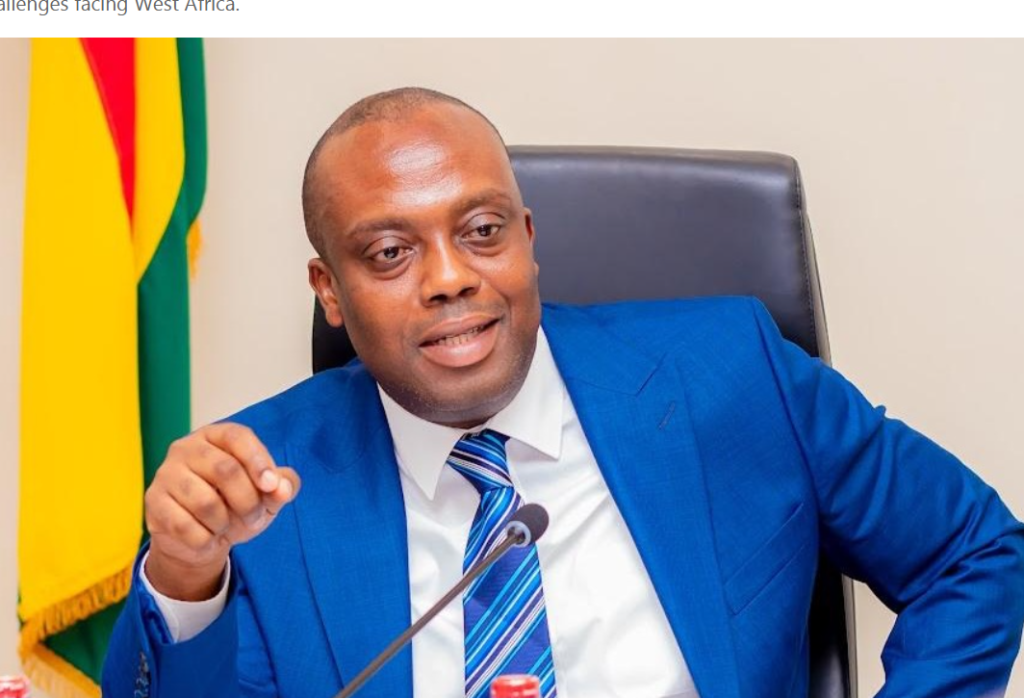
The disclosure was made by Deputy Finance Minister Thomas Nyarko Ampem during a sitting of the Public Accounts Committee on Monday, March 30, 2026.
Highlighting the significance of the audit exercise, Mr Ampem stated:
“I just want to give one example to show the importance of the audit to us as a nation.”
He explained that the report was presented to Parliament on March 10, with referrals made for further scrutiny. Remarkably, within a week, one of the implicated companies had responded.
“Exactly a week after, on 17 March, one of the companies identified with some of the infractions responded,” he noted.
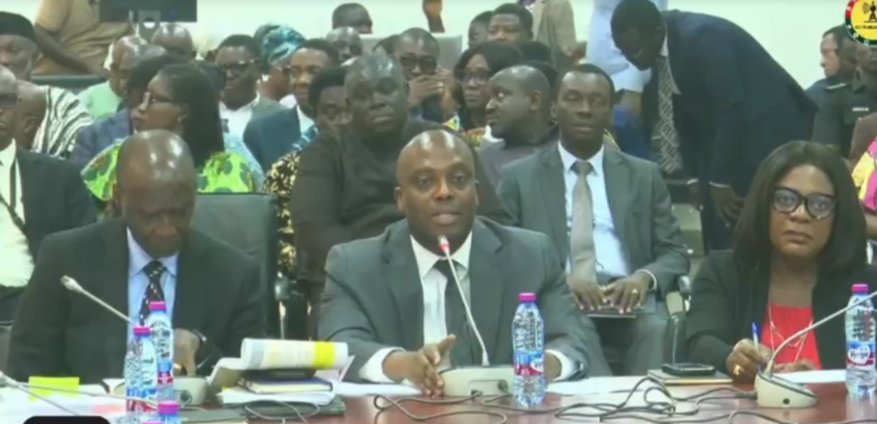
“Rans Logistics was the company stated to have been overpaid for the transportation of grains. Exactly a week after the presentation, the company has refunded GH¢19.1 million to the state.”
However, the Deputy Minister clarified that the refund represents only part of the irregularities identified.
“If you look at the audit revelations, it is not just the GH¢19.1 million that were cited. It was also stated that the company was paid with rice in excess of 7,000 metric tonnes. So we are expecting the value of 7,000 metric tonnes of rice as well.”
He further indicated that the Attorney-General is reviewing the matter for possible legal action:
“The Attorney-General is working with his team to recommend the right course of action for all these infractions that have been identified.”
Mr Ampem emphasized that the development demonstrates the effectiveness of the audit process:
“This shows that the audit was necessary… to achieve its purpose of saving and protecting public funds.”
Analysis: Refunds Without Consequences?
While the recovery of GH¢19.1 million signals progress, it also exposes a troubling governance culture, where financial irregularities are often corrected only after exposure.
The speed of the refund raises an important question: if the funds could be returned within a week, why were they overpaid in the first place?
This pattern suggests not merely administrative error, but potential systemic weaknesses in procurement oversight, contract execution, and financial controls.
Moreover, the outstanding issue of over 7,000 metric tonnes of rice points to deeper layers of accountability yet to be addressed.
For Ghana, the challenge goes beyond recovering funds, it is about establishing deterrence. Without clear sanctions, audits risk becoming routine exercises that correct errors without preventing recurrence.
The real test will lie in whether this case leads to structural reforms and legal consequences, or simply ends with partial refunds and public reassurance.