By Boakye Stephen, Kumasi, Ghana | Reporting for Ghanaian News Canada | May 11, 2026

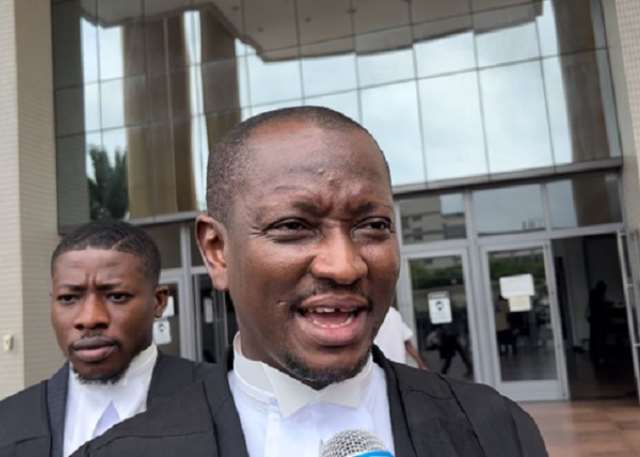
Alfred Tuah-Yeboah has declared that the government’s Operation Recover All Loot (ORAL) initiative has effectively collapsed, describing it as a failed political promise that has lost momentum.
Speaking on ongoing national discussions surrounding anti-corruption efforts and prosecution strategies, Mr Tuah-Yeboah argued that the initiative, which became a major political message during campaigning, no longer appears active or effective within the country’s justice system.
According to him, developments surrounding investigations and prosecution decisions have weakened public confidence in the initiative’s original purpose.
He stated:
“ORAL is a campaign promise of the NDC… that is when ORAL died and got buried.”
The comments come amid renewed scrutiny over anti-corruption enforcement in Ghana and growing political debate regarding the consistency, credibility, and long-term impact of major accountability initiatives announced by governments.
Operation Recover All Loot, popularly known as ORAL, emerged as a prominent anti-corruption message aimed at tracing and recovering alleged stolen state resources and pursuing accountability in cases involving public funds.
The initiative generated significant public attention due to widespread national concerns about corruption, misuse of public resources, and demands for stronger institutional accountability.
However, critics and political opponents have increasingly questioned whether the initiative has produced visible long-term institutional results or whether it has remained largely symbolic and politically driven.
Mr Tuah-Yeboah’s remarks are expected to further intensify partisan debate over anti-corruption policies, especially as political actors continue using governance, accountability, and prosecution issues as major themes in public discourse.
Observers say the effectiveness of anti-corruption campaigns is often judged not only by public announcements or political messaging, but by successful investigations, prosecutions, recoveries, and institutional reforms capable of surviving beyond election cycles.
The latest comments also reflect broader concerns about how anti-corruption institutions and initiatives maintain credibility, public trust, and operational independence within politically charged environments.
While supporters of ORAL continue to defend the initiative’s intentions and objectives, critics argue that anti-corruption programmes must demonstrate measurable outcomes to retain public confidence.
The issue remains part of wider national conversations surrounding governance, justice, political accountability, and institutional transparency in Ghana.