


By Boakye Stephen, Kumasi, Ghana | Reporting for Ghanaian News, Canada
Africa is facing simultaneous crises that demand urgent attention. Across the continent, citizens are being exploited in foreign conflicts, while at home, Ghana contends with infrastructure vulnerabilities and tragic accidents.
- Africans Drawn into Ukraine Conflict
Recent reports indicate over 1,700 Africans, including more than 1,000 Kenyans, have been recruited into Russia’s military in Ukraine. Ghana has confirmed that at least 50 of its citizens have perished after being lured into battle. Families are demanding action, yet African governments remain cautious in their diplomatic engagements with Moscow.
Commentary:
This crisis exposes a troubling reality: African citizens are treated as expendable resources while governments weigh diplomacy over protection. The exploitation reflects systemic economic challenges, where unemployment and limited opportunities push citizens into risky situations abroad. Africa must ask whether silence in the face of such exploitation equates to complicity.
- Power Outages in Ghana’s Eastern Region
A heavy rainstorm on March 14 caused widespread electricity disruptions in Ghana’s Eastern Region. ECG engineers worked to restore supply, but the incident underscores infrastructure fragility and the need for proactive measures against extreme weather.
Commentary:
Temporary outages highlight structural weaknesses in critical national services. Climate change and urban expansion are increasing the vulnerability of essential infrastructure. Resilient systems, effective planning, and rapid response protocols are no longer optional, they are necessary for public safety and economic stability.
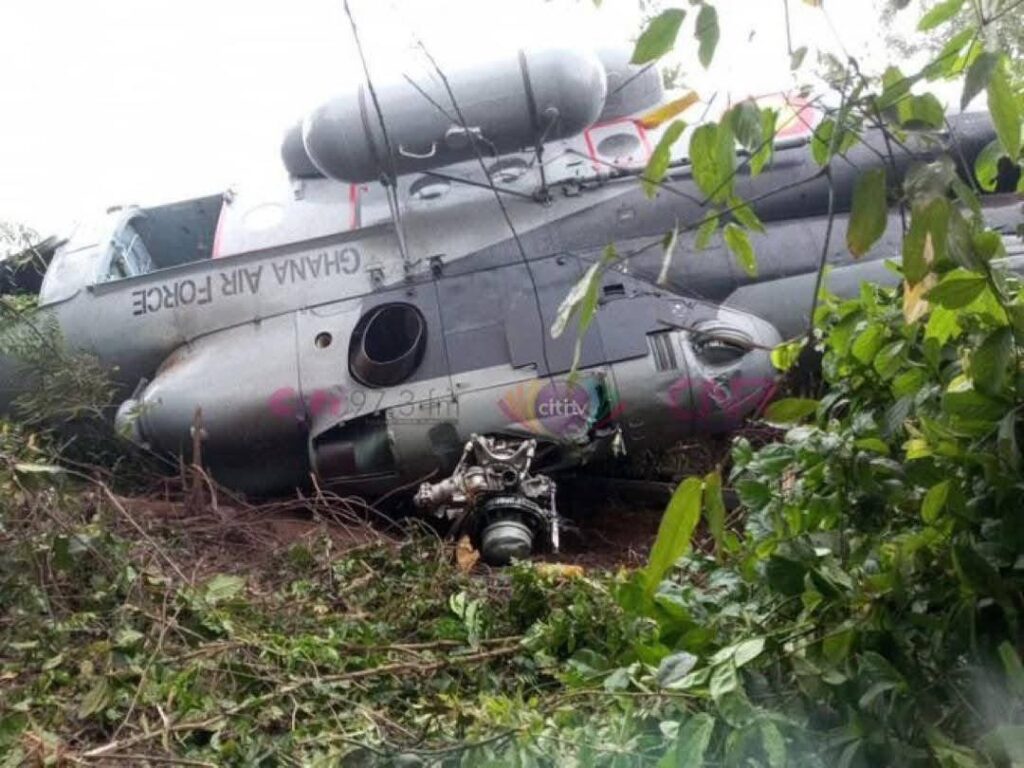
- Tragic Helicopter Crash in Tema
On March 16, a microlight aircraft, registered 9G-ADV, crashed en route from Ho to Accra, killing both occupants. Rescue teams recovered the remains near Oninku Drive School Park, with no bystanders harmed.
Commentary:
This accident highlights ongoing concerns about aviation safety in Ghana, especially with private and microlight aircraft. Gaps in monitoring, communication, and oversight amplify risks. The incident serves as a stark reminder that aviation safety requires strict enforcement, timely investigations, and transparency to maintain public trust.
Conclusion:
From citizens exploited abroad, to domestic infrastructure failures, to tragic accidents, these events illustrate the interconnected challenges facing Ghana and Africa today. Governments, communities, and leaders must adopt proactive, transparent, and resilient strategies to safeguard people, maintain public trust, and protect national stability.